

Heat waves raise 15-24 suicide rates 2.97% per 1°C, researchers say
Evidence links extreme heat to worse mental health, attention problems, and vulnerable groups, pushing adaptation from politics to protocols.

Researchers led by Joshua Wortzel at Hartford HealthCare’s Heat-Mind Lab report a 2.97% increase in suicide rates among US people ages 15 to 24 for every 1°C rise in average monthly temperature. The broader work connects heat waves to hospital admissions, mortality in schizophrenia, and short-term cognitive impairment.
This is the kind of climate story that stops being abstract fast: new research suggests that for every 1°C increase in average monthly temperature, the suicide rate among people aged 15 to 24 in the US rises by 2.97%. And it is not just about mood on a hot day. Scientists are trying to understand how heat waves mess with brains and behavior, and why the risk seems to spike when temperatures climb above what is “typical” for a given region.
That 2.97% figure is from research Wortzel and his colleagues published earlier this week, and it lines up with a larger pattern the field keeps seeing. For mental health, the bad outcomes become apparent when heat crosses the threshold of normal seasonal variation. In earlier evidence reviewed by Emma Lawrence at the University of Oxford and her colleagues, heat waves were associated with a 9.7% increase in hospital admissions for people with mental-health conditions. Lawrence also points to evidence that people with schizophrenia were three times more likely to die during the record-breaking heat wave in Canada in 2021. Together, the message is blunt: extreme heat is not only a respiratory or cardiovascular problem. It can be a mental-health and public-health problem.
But here is where it gets even more unsettling for organizations trying to plan around heat. Some studies rely on associations, meaning they show a link between heat and outcomes, but they do not fully explain the mechanism. So researchers have also moved toward experiments that can measure cognition more directly. Catherine Thompson, a cognitive psychologist at Liverpool Hope University, is studying the effects of extreme heat on firefighters. The idea is pragmatic: it is easier to measure cognitive skills before and after a controlled heat exposure during scheduled training that includes entering a burning building.
In Thompson’s work, the firefighters found it harder to focus and to control their attention immediately after heat exposure. Their skills returned to normal after about 20 minutes of cooling down. That turnaround is fast enough to suggest something reversible and mechanistic, not just fatigue. It also gives a reference point for people who have felt the “heat fog” themselves. But Thompson notes the limitation: the exposure in these studies lasts 15 minutes of intense heat, while heat waves last days. She does not know what it looks like during a multi-day heat wave, or how long any cognitive effects might persist. One possible approach would involve shipping cognitive test kits to thousands of people on short notice when a heat wave is expected, but Thompson says that is difficult, likely because “no one’s done it because it’s just so difficult to do.”
Mechanisms matter because they shape what executives, boards, and public agencies decide to do. The “million-dollar question,” as Wortzel puts it, is whether unusual heat does something specific to the brain, and not just makes people feel worse through sleep loss, reduced activity, and social disruption. Heat waves can absolutely degrade the fundamentals of mental health: people may avoid outdoor play and exercise, and good night sleep can become harder. But researchers are also looking inside the brain for biological pathways. Lab animal research suggests that excessive heat can alter chemical signaling, with neurotransmitters like serotonin increasing in rats and mice exposed to high temperatures. Heat may also interfere with how brain networks communicate, or with how oxygen reaches brain cells. Wortzel argues there are “so many biological reasons” brains may be negatively affected by heat, which is why the field keeps pushing for more mechanistic evidence rather than stopping at correlations.
And the vulnerability story is not evenly distributed. Emerging research suggests children and young people may be among the most vulnerable. Wortzel’s earlier analysis finding the 2.97% increase in suicide rates for ages 15 to 24 belongs to that broader pattern. Separately, Lawrence highlights work hinting at long-term consequences for children’s brain development. Babies exposed to extreme heat or cold appeared to have altered white matter by the time they were nine to 12 years old, though it is not clear what those changes mean for any individual child. Lawrence frames the urgency in practical terms: children born in 2020 are predicted to experience around seven times the number of heat waves their grandparents did, and she says adaptation has to be taken seriously because we are already living through climate change.
If you are an operator, healthcare leader, or policymaker, the second-order implication is that “heat preparedness” cannot be only about cooling centers and hydration checklists. The source details impacts on attention right after heat exposure for firefighters, hospital admissions for mental-health conditions during heat waves, and mortality risk spikes such as the three-times figure for people with schizophrenia during Canada’s 2021 record event. Combine that with short-term cognition effects that can rebound after cooling, and long-term developmental concerns in children, and you get a planning problem that is both immediate and multi-year. The strategic stakes are clear: as heat waves become more frequent and more extreme, mental health response capacity, workplace heat safety protocols, and adaptation planning all need to treat the brain as a critical target organ, not an afterthought.
This story's Key Insights and Take-aways are locked.
Create a free account to unlock Executive Actions for one credit.
Register to UnlockAlways free for Executives Club members. Join the Club
More in Science

University of Ottawa’s UbiMyTherapist AI reads smartwatch and earbuds to spot distress early
A new approach aims to detect emotional distress automatically, so people do not have to ask for help first.
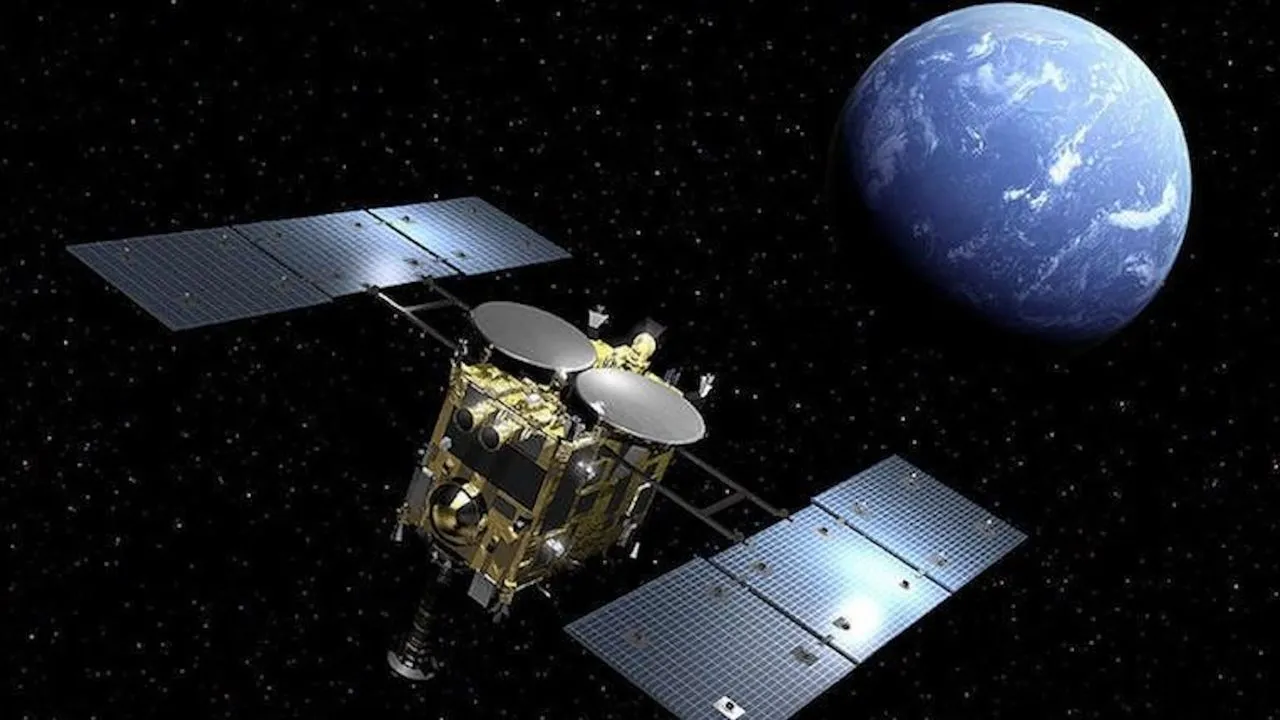
Hayabusa2 risks a 1 km flyby of Torifune July 5
Japan's probe hunts answers on a 450-meter asteroid while testing rapid reconnaissance for planetary defense.

California Polytechnic wins NASA’s $10,000 2026 Human Lander life-support prize
Top student designs in environmental control and life support for future Artemis landers just got real money and real momentum.