

Hideo Kojima says he wants to die as the lights go out before the movie starts
The Death Stranding creator’s “cinema” death plan doubles as a reminder: his movies shape his games, and now A24 is involved.
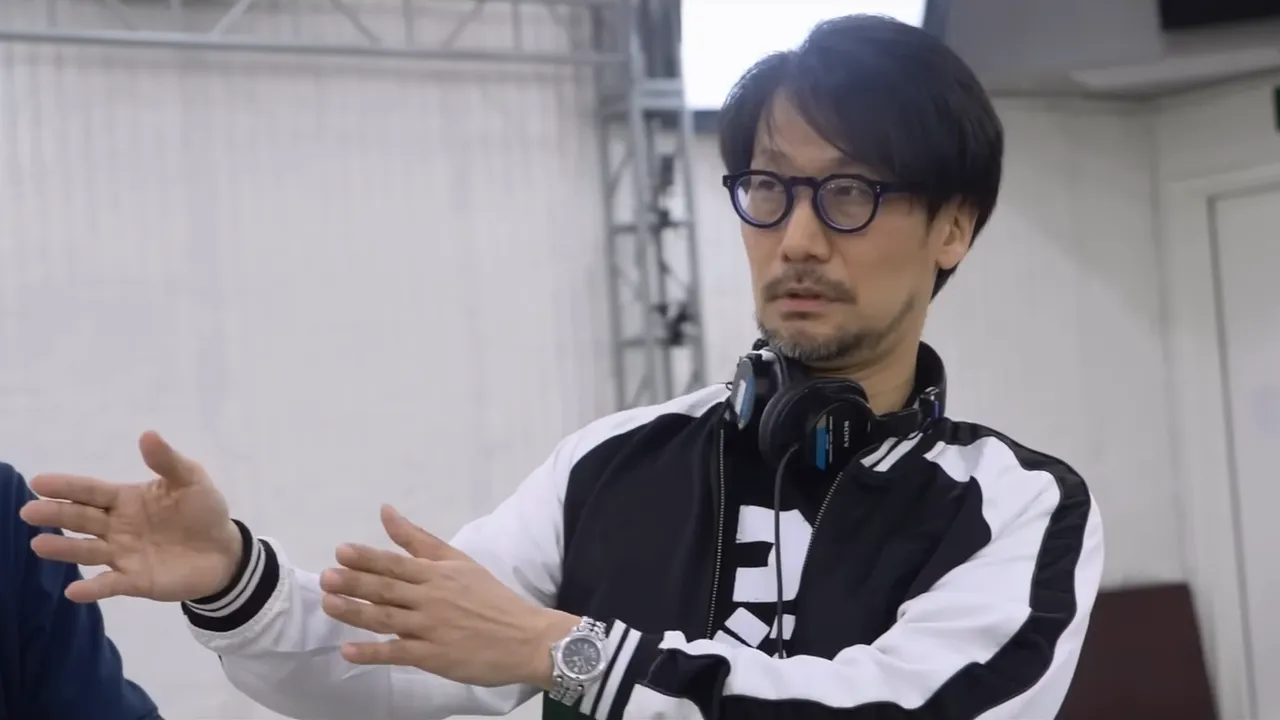
Hideo Kojima, the Metal Gear and Death Stranding creator, said on X that when the time comes he wants to “kick the popcorn bucket,” passing away in a cinema as lights go out, commercials and trailers play, and the movie is about to begin. For decision-makers, the bigger signal is how deeply Kojima’s film obsession is already influencing major IP adaptation plans, including Kojima Productions’ collaboration with A24.
Hideo Kojima is 62, still sharp enough to be thinking about tomorrow, and yet he is also thinking about how he wants his story to end. On X, translated by Genki_JPN, Kojima said that when the time comes he wants to die in a cinema, specifically “kicking the popcorn bucket.” He describes the moment in detail: entering the movie theater, the lights turning off, commercials and trailers playing, and then, “just before the movie starts is when I want to pass away.”
That is funny in a dark, cinematic way, but it is also the clearest version of his creative philosophy we have gotten in a while. Kojima even spells out why that pre-movie window matters to him: he “likes the time before the movie starts the best.” The rest of us will never get to audit the aftermath, but for anyone watching how Kojima builds worlds, this isn’t random mood lighting. It is a map of his taste, down to the seconds before the plot kicks in.
To understand why this matters beyond the punchline, you have to remember what Kojima has been circling for years. The Metal Gear and Death Stranding creator has been in our news recently for a cluster of death-adjacent themes and projects. He talked about deciding to make Physint after a brush with death in 2020. He made a game where you get old and die. He also said he has a USB stick full of ideas he will one day leave to his staff that he described as “kind of like a will.” Now he is giving the same kind of specificity to his own ending: a set, a schedule, and a final scene.
And the through-line is cinema, not just death. Kojima is film-obsessed in the most literal way: he says he tries to watch a film every day. His English-language bio for as long as he can remember has used the line “70% of my body is made of movies.” That phrase shows up in his games too. In Metal Gear Solid: Peace Walker, you can recruit Kojima as a soldier, and his in-game description is “70% of my existence is made of movies. It’s up to you to decide what to do with the remaining 30%.” If you are an operator or investor, that is a huge clue about product design. Kojima does not treat film as decoration. He treats it as a framework for pacing, tone, and the emotional weight of “what happens right before the main event.”
So when Kojima says he wants to die in the theater right before the movie starts, he is not merely being poetic. He is describing the tension between anticipation and action, the moment where attention is maximal and expectation is being engineered. In business terms, it is a reminder that he builds payoff timing like a director. Before the movie, commercials and trailers are not the main plot, but they prepare the audience to receive it. Kojima’s creative output has repeatedly treated that kind of scaffolding as part of the experience, not as filler.
This also connects directly to what is happening with Kojima Productions, and why the industry should care. Kojima Productions is collaborating with A24 on a Death Stranding movie. Kojima says the project intends to “present a new dimension of cinematic adaptation that goes beyond merely turning a game into a live-action movie.” That quote is doing work. It frames adaptation as a craft problem, not a copy-and-paste exercise. If you believe Kojima, then the goal is not simply to translate characters and locations into film form. It is to translate the underlying cinematic sensibility that already saturates his games.
For decision-makers, the second-order implication is straightforward: when the creator’s identity is inseparable from a medium, adaptation risk changes shape. Turning a game into a movie is often treated like a rights and casting exercise. Here, the story suggests a deeper pipeline mindset. Kojima’s fixation on the “time before the movie starts,” his daily film habit, and the recurring “movies” language in both his bio and Metal Gear Solid: Peace Walker are all evidence that the source IP’s DNA is cinematic pacing and structure.
That puts pressure on partners like A24 to match intent, not just aesthetics. It also sets expectations for audiences who come in expecting action set pieces and instead discover how Kojima wants attention managed. And for peers considering IP crossovers, the lesson is not that you should plan your own cinematic death scene. It is that the best adaptations protect the creator’s timing, not just the creator’s characters. Kojima is telling you, in his own oddly specific way, what he believes the “remaining 30%” is for: choice, anticipation, and the moment the lights go out.
This story's Key Insights and Take-aways are locked.
Create a free account to unlock Executive Actions for one credit.
Register to UnlockAlways free for Executives Club members. Join the Club
More in Entertainment

'It's a Magic Trick': Ballet Experts Say Rosalía's SNL Pose Is Impossible
Three ballet experts tell Rolling Stone Rosalía's gravity-defying SNL stillness shouldn't be possible - and why the debate is now part of the show.

Activision CMO: GTA 6 Will Boost Call of Duty, Not Bury It
Activision's top marketer says Rockstar's blockbuster will drive players back to consoles and into Modern Warfare 4, even as the company admits its recent strategy failed.
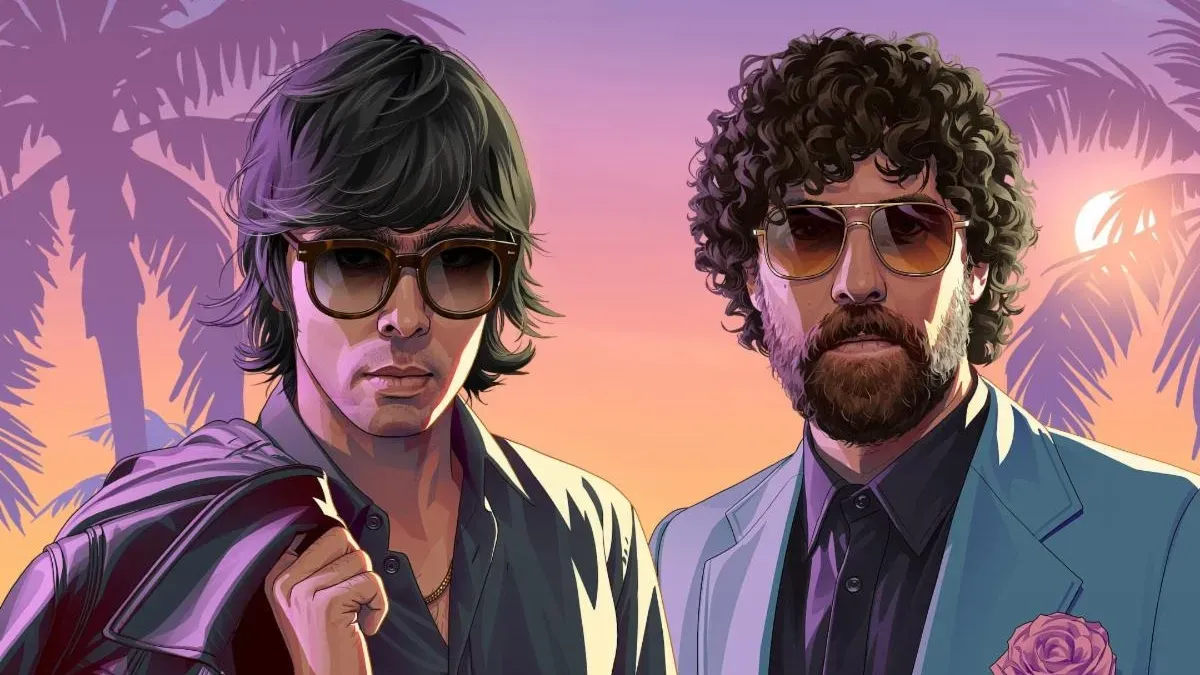
Justice to Score GTA 6, Share New Song with Tame Impala, SZA, King Gizzard
Rockstar taps the French duo for the GTA VI score, and the first taste is a genre-melting collab with Tame Impala, SZA, and King Gizzard & The Lizard Wizard.