

Himalayan “happy-face” spider looks like Hawaii’s, but DNA says it evolved separately
DNA evidence links the Himalayan species to ginger plants, while its smile-like markings independently converged on Hawaii’s icon.
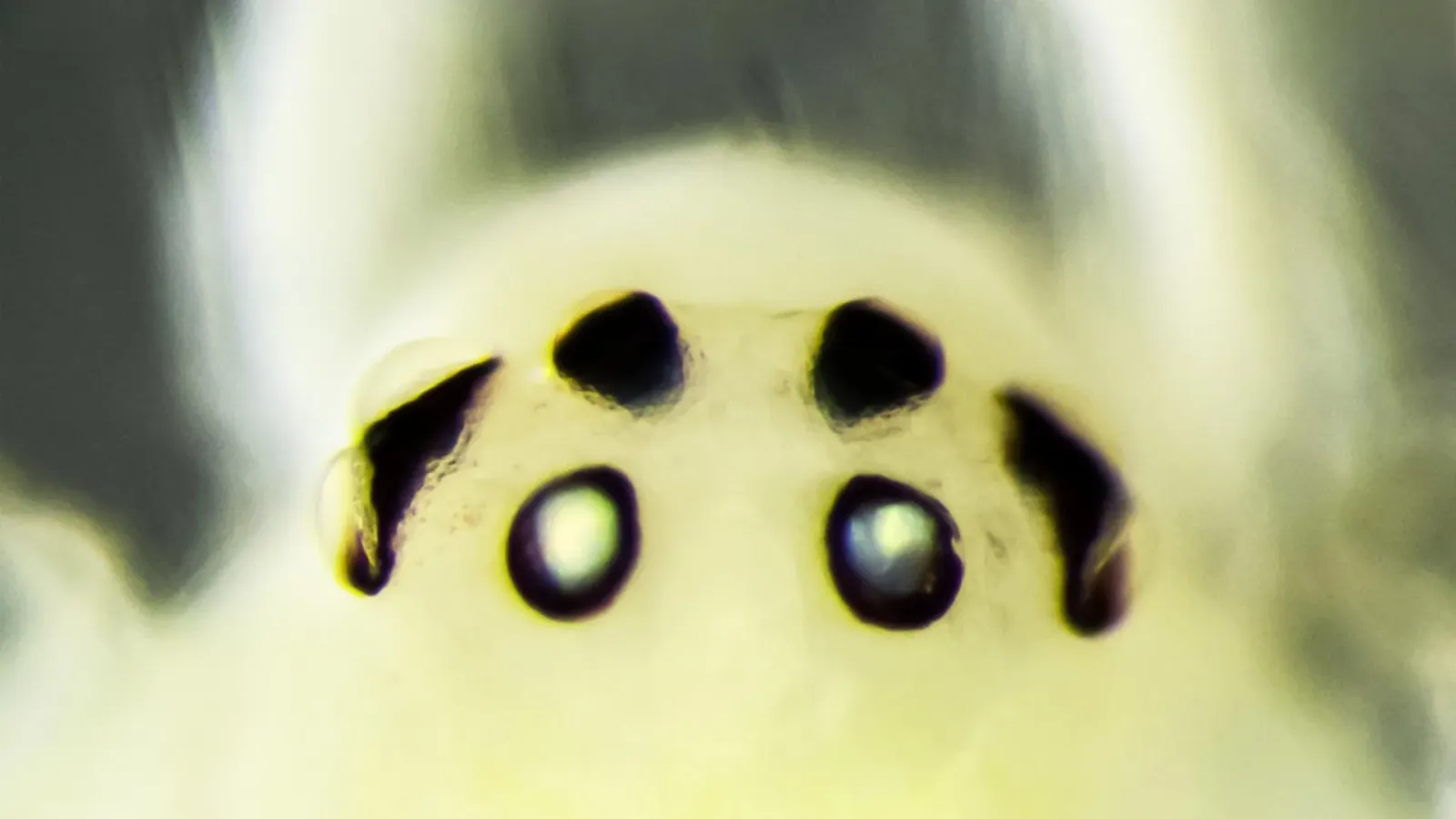
Scientists report a newly discovered “happy-face” spider in the Himalayas that closely resembles Hawaii’s iconic species. DNA evidence indicates it evolved independently, despite strikingly similar smile-like markings.
A newly discovered Happy-Face spider in the Himalayas has scientists rethinking how far “iconic” traits can travel. The spider’s face-like markings and overall look closely resemble Hawaii’s famous species, but DNA evidence suggests the two did not share a recent ancestor. In plain English: the smile you see on the Himalayas spider is not a family heirloom from Hawaii, it is a separate evolutionary outcome.
That finding answers the headline-level puzzle immediately. The researchers describe the Himalayan species as similar in appearance to Hawaii’s well-known Happy-Face spider, but independently evolved, according to DNA evidence. The story also adds a second surprise beyond looks: the new species is unexpectedly linked to ginger plants, raising fresh questions about what drives both the species’ appearance and its habitat choices.
So what makes this matter beyond the natural-history corner? For executives, the interesting part is not just that two distant populations look alike. It is the signal this gives about how traits can “converge” when organisms face similar pressures, even without shared ancestry. When biology repeatedly finds the same design across geography, it is often because certain traits solve the same problems. Here, the “smile-like” markings appear to be one such repeatedly emerging feature. The result is a reminder that resemblance is not the same thing as lineage.
The ScienceDaily report also emphasizes that the new spider displays many color forms. That detail matters because it supports the idea that the spider is not a single rigid template but a variable population. Variation can matter for survival strategies like camouflage, signaling, or mating, and it can also complicate how field observers classify species. In other words, if you only had the visuals, you might assume the Himalayan spider and Hawaii’s species were closely related. DNA evidence is what forces the correction.
Now zoom out to the practical research implications, because those are the second-order effects that tend to land on decision-makers who fund or govern science. Scientists are “eager to learn how the two distant species are connected,” but the connection they want is not a genealogical one. It is a functional one: why do these spiders keep arriving at similar-looking “happy-face” patterns? And how does the newly discovered link to ginger plants fit into that answer?
This is where industry-adjacent parallels show up. In many sectors, teams run into a similar trap: confusing visual similarity with causal similarity. That mistake is expensive in product strategy, brand analysis, cybersecurity threat modeling, and even investment theses. Biology here acts as the live-fire stress test. If two lineages look alike, people want to draw a quick family tree. DNA evidence becomes the equivalent of a reliable audit trail.
There is also a broader context for why plant associations raise eyebrows. Plant-insect relationships can influence where a species lives, what it eats, and how it interacts with predators and competitors. The unexpected ginger plant connection suggests that the Himalayan spider’s ecological niche may be tied to the availability or chemistry of ginger. If the smile-like markings and the ginger association are linked through a shared evolutionary driver, then the traits might not be just “pretty” patterns. They could be tied to behavior, microhabitat selection, or reproductive dynamics.
For executives watching the science funding landscape, that translates into a clear stakes-and-risks equation. Research teams need to decide what to measure next, and those choices depend on whether similarities are inherited or independent. When DNA says “independent evolution,” the mandate shifts from mapping ancestry to testing mechanisms. That often changes study design, lab budgets, and collaboration priorities, especially when the goal is to understand ecosystem links rather than just taxonomy.
Finally, the timing and geography are part of the strategic intrigue. Hawaii and the Himalayas are not close neighbors, which makes independent evolution a strong clue that the trait emerged more than once rather than being carried along a single migration route. The key takeaway for decision-makers is simple: appearance can mislead, and genetics can reframe the entire project scope. If your world runs on pattern recognition, this is a reminder that the “smile” can be an outcome, not a signature of shared origin.
This story's Key Insights and Take-aways are locked.
Create a free account to unlock Executive Actions for one credit.
Register to UnlockAlways free for Executives Club members. Join the Club
More in Science

Alaska's 1,580-foot tsunami had warning signs. Scientists just found them.
Rapid glacier retreat, heavy rainfall, and thousands of tiny tremors preceded Alaska's 1,580-foot tsunami, a warning for every coastal community in a warming world.

The rare mutation that lets high-risk brains dodge Alzheimer's
Scientists found a natural defense against protein buildup, opening a new path to preventive treatments.

3,000 steps a day may halve Alzheimer's decline, study finds
New research links a modest daily walk to less tau buildup and nearly half the cognitive and functional decline, even for those with early signs.