

HKEX director Ding Chen says AI and chips will keep Hong Kong’s ETP boom surging
A HKEX independent director links H2 momentum in AI and semiconductor ETPs to stronger wealth management demand across Hong Kong.
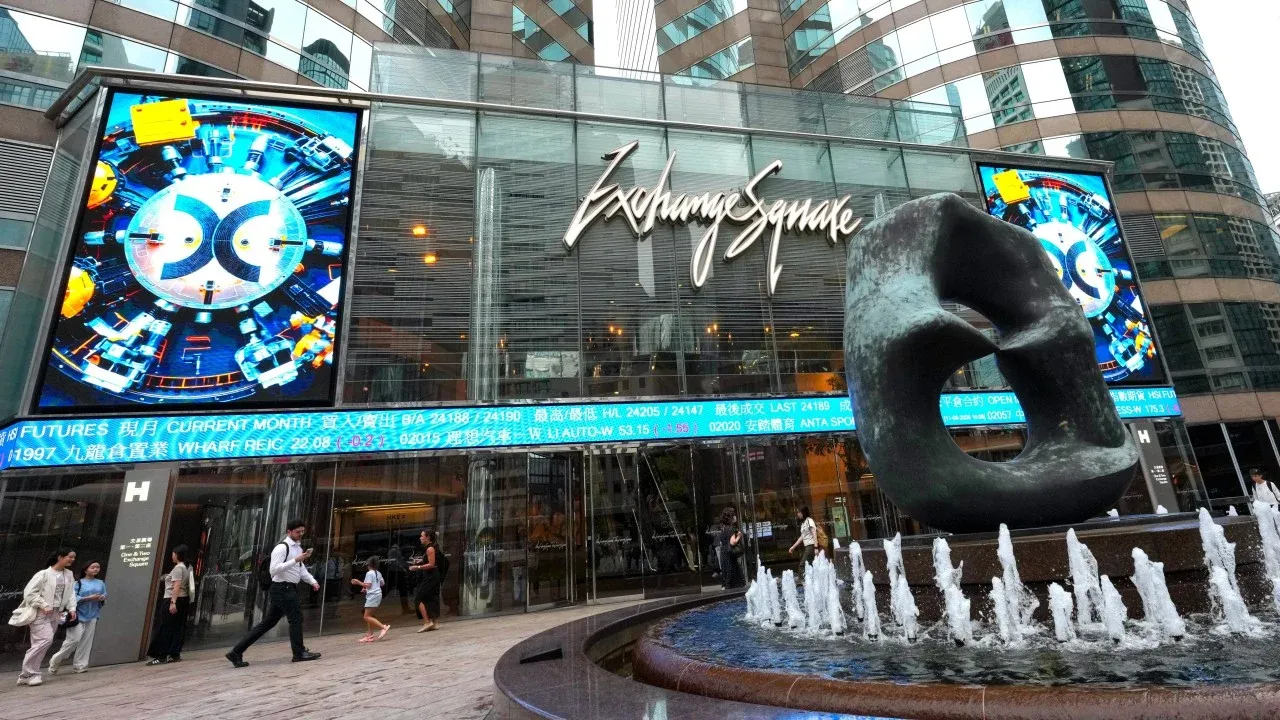
Ding Chen, an independent director at Hong Kong Exchanges and Clearing (HKEX), says investor appetite for artificial intelligence and semiconductor plays will drive fast ETP growth in Hong Kong in the second half of the year. The implication for decision-makers: HKEX’s exchange-traded product ecosystem could keep capturing capital that otherwise goes elsewhere in Asia.
Hong Kong’s exchange-traded products market is getting a fresh tailwind, and the driver is not subtle: artificial intelligence and semiconductor exposure.
In an interview with SCMP Business, Ding Chen, an independent director at Hong Kong Exchanges and Clearing (HKEX), said investor appetite for AI and semiconductor plays will continue to lift Hong Kong’s ETP market in the second half of the year, strengthening the city’s wealth management industry. Chen also pointed to a scoreboard the market has already written: “Hong Kong has already risen to become the fourth largest ETP market worldwide, after reporting a record of rapid development over the past decade.”
That combination matters because ETPs are the “express lane” for retail and wealth clients who want market-linked exposure without building a direct securities portfolio themselves. If AI and chips keep pulling attention, ETP issuers and distributors get a real-world demand signal. For HKEX, it is a direct reinforcement of why trading infrastructure and product listings can become a long-running growth engine, not just a recurring fee stream.
To understand why AI and semiconductor themes can move the ETP market quickly, you have to look at how investor behavior actually works in wealth management. When the narrative is about megatrends, investors often want exposure that is easier to scale than picking individual winners. That is exactly what ETP structures are designed to provide: defined, listed vehicles that can track underlying baskets or strategies. When Chen says appetite will continue to drive fast growth in the second half of the year, the plain-English read is that theme-driven capital can concentrate in a relatively short window, and ETP listings give intermediaries a menu they can sell fast.
There is also a timing angle in Chen’s framing. He is not talking about the distant future. He is specifically calling out the second half of the year as the period where this appetite should show up in results. That matters for boards and executives because product planning, distribution incentives, and market-making considerations often run on lead times measured in quarters, not years. If the demand impulse is strongest later in the year, the operational question becomes whether institutions and intermediaries can match that spike with inventory, liquidity, and marketing capacity.
Chen’s comments also reinforce HKEX’s positioning as more than a platform for one asset class. ETP growth is typically fed by a supply chain: market operators support listing and trading, issuers design products, and distribution partners translate market interest into accessible offerings. When HKEX notes Hong Kong’s rise to the fourth largest ETP market worldwide, it is implicitly signaling that the ecosystem is now deep enough to attract and process new thematic flows, including high-volatility equity narratives like semiconductors and the AI supply chain.
Another important second-order effect is competitive. If Hong Kong continues to build momentum as a global ETP hub, capital allocators and product sponsors may view the city as a place where new strategies can reach investors efficiently. That can create a positive feedback loop: more products get listed, more investors get exposed, and higher volumes make the platform more attractive for additional issuers. Chen’s “past decade” reference suggests this did not happen overnight. It also suggests the market is now mature enough that theme-driven demand, like the current AI and chip cycle, can translate into measurable growth rather than just headlines.
For decision-makers in wealth management and exchange-adjacent roles, the strategic stakes are clear. If AI and semiconductor exposure continues to lift ETP activity in Hong Kong during the second half of the year, peers should expect wealth demand to cluster around listed, liquid vehicles tied to those themes. That can influence how firms prioritize client education, how they design portfolios, and how they evaluate where liquidity and product depth are likely to concentrate. In other words, Chen is not just describing a trend. He is pointing to a near-term mechanism by which investor sentiment can reshape flows across Hong Kong’s wealth management landscape.
This story's Key Insights and Take-aways are locked.
Create a free account to unlock Executive Actions for one credit.
Register to UnlockAlways free for Executives Club members. Join the Club
More in Business

Uber buys Delivery Hero for nearly $15B, vaulting to top food delivery outside China
The deal doubles Uber's dual-services footprint and pushes a ride-and-eats bundling play into 50 more markets.

Epic and Google drop settlement bid, forcing rival Android app stores by July 22
Google told the court it is ready to carry third-party app stores starting Wednesday, July 22.
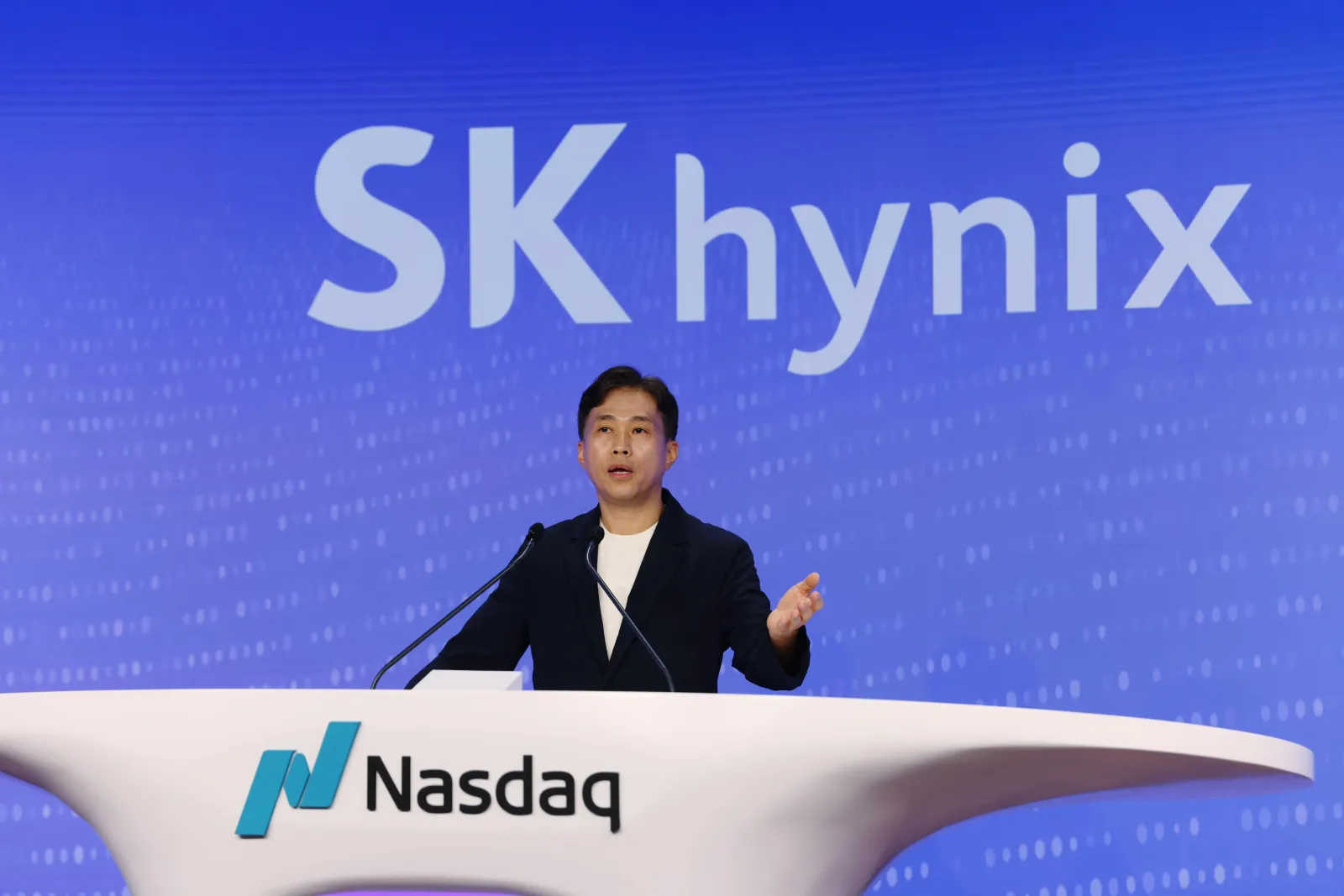
SK Hynix opens at $170, raises $26.5B, and tops foreign IPO records
In Friday's Wall Street debut, SK Hynix turns AI RAM demand into a $26.5B fundraising moment that rewrites comps.