

Hong Kong faces US$100B of newly tradable shares as AI boom tests liquidity
The city may need fast countermeasures if IPO lock-ups end and AI-linked risk widens the performance gap.
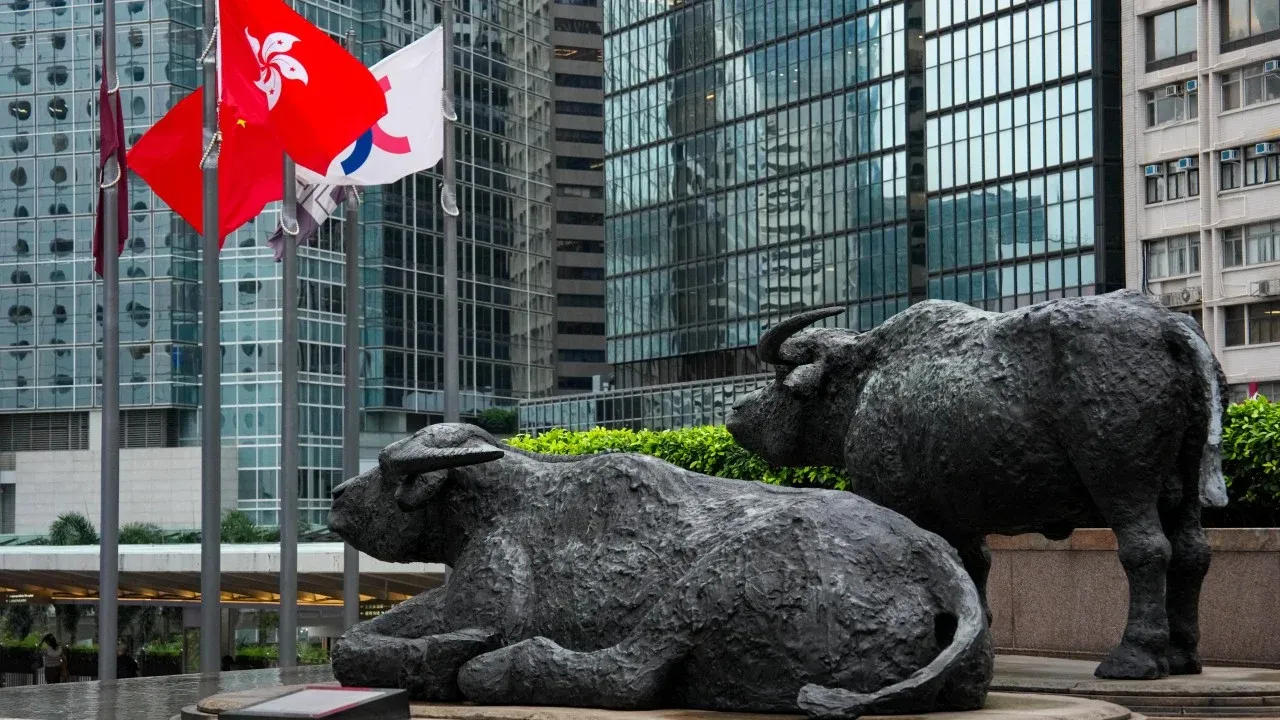
Hong Kong stocks have lagged major global markets in the first half of the year, analysts say, with sluggish consumer spending weighing on Chinese internet platforms. They warn the expiry of IPO lock-up periods could add a glut of newly tradable shares, and the AI trade may widen the gap further.
Hong Kong is staring down a very specific market stress test in the middle of the AI boom: the city may need to absorb as much as US$100 billion of newly tradable shares after IPO lock-up periods expire. Analysts cited in SCMP frame this as a liquidity and performance risk, not just a headline number. If supply hits faster than demand, price volatility can rise and valuation support can get weaker, especially when broader market sentiment is already mixed.
This timing matters. The warning is that Hong Kong has trailed other major global markets in the first half of the year, and that underperformance could persist. The drivers are twofold in the analysis: sluggish consumer spending, which weighs on Chinese internet platforms, and an “entrenched AI trade” that could keep steering global capital toward AI-linked winners. In that setup, when IPO lock-up shares re-enter the market, the extra selling pressure can collide with already fragile trading conditions.
To understand why US$100 billion is not just a “market number” but a real operational headache, you have to picture how IPO lock-ups work. Shares held by insiders and early investors are typically restricted from trading for a period after an IPO. When that lock-up ends, a large pool of shares becomes eligible to trade. That can be stabilizing if investors treat it as normal refinancing into the market. But it can also be destabilizing if the market is not prepared for the added supply, or if it is already dealing with other headwinds. SCMP’s framing is essentially that Hong Kong might be hit from both sides: weaker underlying demand from consumer spending, and a capital allocation pattern that is increasingly AI-biased elsewhere.
The performance gap risk is also a positioning problem, not only a short-term price issue. In markets where global money chases a coherent narrative, a city can fall behind simply because its dominant sectors are not the ones most in favor. In this case, the analysts pointed to Chinese internet platforms under pressure from sluggish consumer spending, while the AI trade remains firmly in place. If AI-linked companies capture more incremental flows, non-AI areas can struggle with relative returns, even if their fundamentals are stable.
That brings us to the most immediate lever in the story: Hong Kong’s exchange response. SCMP says the city’s exchange would need to respond quickly with countervailing measures. These measures included lowering trading barriers for individual investors. The rationale is straightforward for decision-makers: when large IPO-related supply becomes tradable, the market needs a broader base of buyers to absorb it. Making it easier for individual investors to participate can increase trading activity and help dampen disorderly price moves, especially if institutional demand is selective.
This is where the second-order implications show up for executives and board members. If you are running a company with a Hong Kong listing, you are not just exposed to your own earnings and guidance. You are exposed to the plumbing of market microstructure: liquidity, bid-ask spreads, and the emotional temperature of investors. A glut of newly tradable shares can pressure stock prices even for companies with no fundamental change, simply because the marginal buyer is negotiating harder. That can raise the cost of capital for equity financings, complicate employee share sale planning, and increase volatility around earnings windows.
For CFOs and investor relations teams, the key question becomes whether the exchange actions can offset the supply shock quickly enough. Lowering trading barriers is not a magic wand, but it is an attempt to widen the demand base at the moment when supply may surge. In a market already trailing other global indices, that timing is crucial: late interventions tend to look like damage control, while early ones can change how investors price the event.
For boards of listed firms, there is also a strategic governance angle. When the market expects potential supply-driven volatility, investor sentiment can shift toward “liquidity and oversight” themes, such as lock-up policies, shareholder communication, and the pace of investor updates. Even if your company is not directly impacted by lock-up expiries, your stock can trade in the same ecosystem. That means capital market strategy, not just corporate strategy, becomes part of the risk conversation.
So the stake is bigger than one quarter. If Hong Kong cannot absorb a large pool of newly tradable shares smoothly, the underperformance pattern could persist. And if underperformance persists while the global AI trade stays entrenched, the performance gap between Hong Kong and other major markets could widen. That would affect how investors allocate, how quickly they rotate in and out, and ultimately how attractive the city looks for future capital raises. In short: the US$100 billion framing is a liquidity stress test, but it is also a test of whether Hong Kong’s market design can keep up when the world’s money has an AI bias and a consumer-spending headwind at the same time.
This story's Key Insights and Take-aways are locked.
Create a free account to unlock Executive Actions for one credit.
Register to UnlockAlways free for Executives Club members. Join the Club
More in Business
Comcast shares jump 25% as it plans to split NBCUniversal and Sky
The tax-free spin-off could reshape focus, funding, and competition across media and tech for years.

Bungie cuts most Destiny 2 staff as Sony says Marathon still matters
Herman Hulst confirms layoffs affecting most Destiny and some Marathon teams after Bungie admits Destiny fell short.

SK Hynix jumps 11% after seeking up to $29.4B in Nasdaq listing
The chip giant filed for a Nasdaq listing plan that could raise $29.4 billion, instantly reshaping investor expectations.