
Hong Kong's 'shop kings' go bust as rents collapse 40% from peak
Shop prices in Hong Kong have fallen over 40% from their 2018 high, and Centaline warns the bottom is not yet in sight - here's what it means for landlords and lenders.
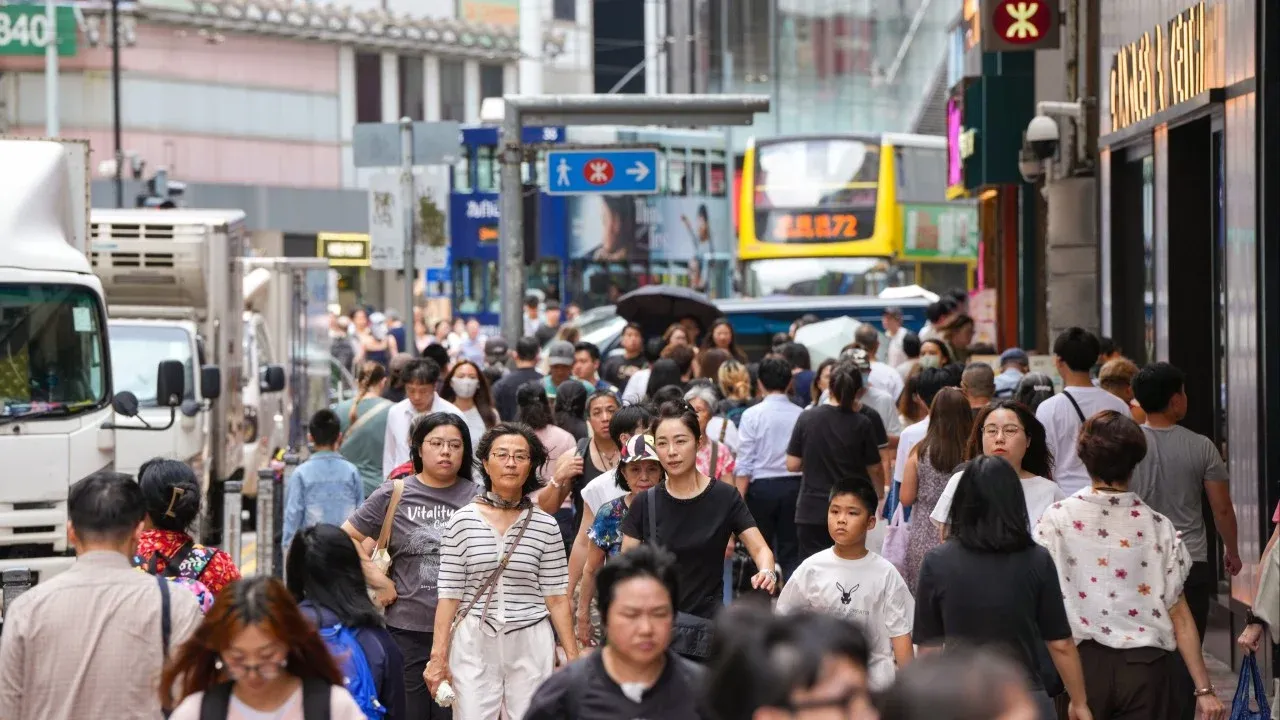
Hong Kong's 'shop kings' - landlords who owned dozens of properties in the same district - are going bankrupt as post-pandemic rents collapse and banks tighten lending. With shop prices down over 40% from their 2018 peak and no turnaround in sight, executives in real estate and finance should brace for further distress.
The numbers are brutal: shop prices in Hong Kong have fallen more than 40% from their 2018 peak, and the city's once-mighty 'shop kings' are falling with them. These were landlords who owned dozens of properties in the same district, sometimes even on the same street, building fortunes on the simple bet that Hong Kong's retail space would only appreciate. But over the past few years, that bet has soured spectacularly. A collapse in post-pandemic rents, combined with tighter bank lending, has pushed many of these landlords into bankruptcy, according to a new report from Centaline Commercial, one of the city's largest property agencies. The headline figure is stark: a 40%+ drawdown from the peak, and it may not be over yet. Centaline explicitly warns that 'there does not appear to be any clear sign of a turnaround today, nor any glimmer of...' - the ellipsis is telling. The bottom is not confirmed, and the distress is still spreading through the commercial property market.
For the 'shop kings', the fall has been as swift as it was once glorious. These were not faceless conglomerates but often family-run dynasties that had accumulated prime retail assets over decades, sometimes buying up entire blocks in districts like Mong Kok, Causeway Bay, and Tsim Sha Tsui. Their business model was simple: buy, hold, and collect ever-rising rents from the global brands and local retailers that flocked to Hong Kong's streets. At the peak in 2018, shop prices were astronomical, and the landlords were leveraged to the hilt, borrowing against their portfolios to expand further. Then the pandemic hit, and the retail landscape shifted permanently. Tourism dried up, online shopping accelerated, and foot traffic in traditional shopping districts never fully recovered. Rents collapsed, and with them, the cash flows that serviced the debt. Banks, already cautious after years of property exposure, tightened lending further, cutting off the refinancing lifeline that many of these landlords had relied on to roll over their obligations.
The result has been a wave of bankruptcies that has reshaped Hong Kong's commercial property landscape. The 'shop kings' are no longer kings; they are cautionary tales. But the implications extend far beyond the individual landlords. For banks and financial institutions that hold their debt, the risk is mounting. For retailers, the shakeout could mean more favorable lease terms, but it also signals a broader structural decline in the value of physical retail space. For investors, the question is whether this is a buying opportunity or a value trap. Centaline's warning suggests the latter, at least for now. The agency's assessment that there is 'no clear sign of a turnaround' is a sobering counterpoint to any optimism that the market has bottomed out. With shop prices already down 40%, the potential for further declines means that anyone considering entering the market must weigh the risk of catching a falling knife.
Context is important here. Hong Kong's commercial property market has long been a bellwether for the city's economy, and its struggles reflect deeper shifts. The pandemic accelerated a move away from physical retail, but it also exposed the fragility of a model that relied on ever-increasing rents and ever-available credit. The 'shop kings' were not just victims of external shocks; they were also casualties of their own leverage. When the music stopped, those who had borrowed the most were the first to fall. The tighter bank lending that Centaline cites is not just a response to the current downturn; it is a structural recalibration. Banks are now far more cautious about lending against commercial property, particularly in the retail segment, which means that even if rents stabilize, the financing that once fueled the market may not return to its previous levels.
For executives in real estate, finance, and retail, the lessons are clear. The first is that leverage is a double-edged sword, and in a market that can turn as quickly as Hong Kong's, the downside can be devastating. The second is that structural shifts, like the rise of e-commerce and changing consumer behavior, do not reverse themselves just because a pandemic ends. The 'shop kings' bet on a return to the old normal, and they lost. The third is that the current distress is not isolated. Other commercial property markets around the world, from San Francisco to London, are facing similar pressures, albeit with different dynamics. Hong Kong's experience offers a preview of what can happen when rents fall and credit tightens simultaneously.
Looking ahead, the strategic stakes for peers in similar roles are significant. For CEOs and CFOs of companies with commercial real estate exposure, the message is to stress-test your balance sheet against a scenario where rents decline another 10-20% and refinancing is not available. For investors, the message is to be patient and wait for clearer signs of stabilization before deploying capital. For policymakers, the message is that the fallout from the 'shop kings' collapse could have broader implications for the banking system and the economy, and that proactive measures may be needed to prevent a deeper crisis. Centaline's warning that there is 'no glimmer' of a turnaround is a reminder that the pain is not over. The 'shop kings' are gone, but the reckoning is still unfolding.
This story's Key Insights and Take-aways are locked.
Create a free account to unlock Executive Actions for one credit.
Register to UnlockAlways free for Executives Club members. Join the Club
More in Business

Paramount's Ellison: Merger Clearance Done, WBD Deal by Oct 1
David Ellison says the Paramount-WBD merger has full clearance after settling with state AGs, clearing the path for an October 1 close.
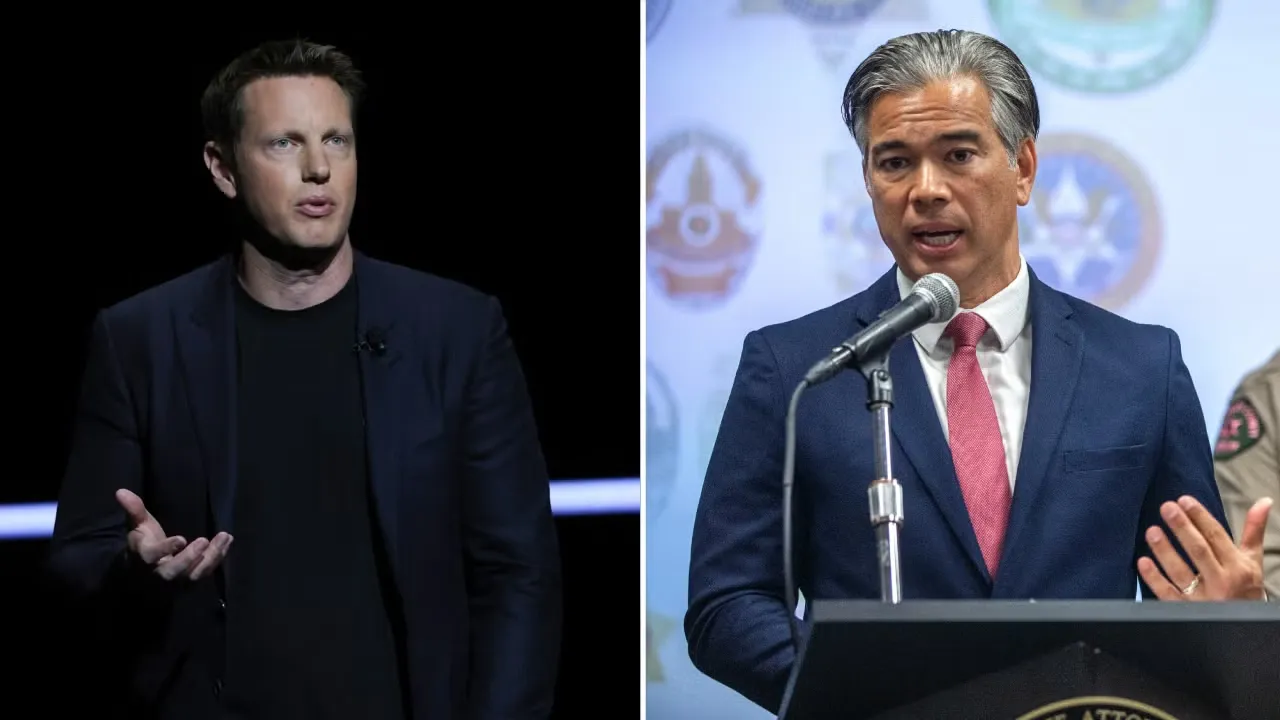
Paramount settles with 12 states, $110B Warner merger clears final hurdle
David Ellison's studio avoids a March trial and a $7M-a-day ticking fee by settling with state AGs over local job losses.

Apple unveils first foldable iPhone Duo with 7.6-inch display under new CEO Ternus
Apple's first foldable, the iPhone Duo, marks a major product bet for new CEO John Ternus, with a 7.6-inch unfolded screen.