
House panel clears $95B Iran-war budget, but GOP splits over cost, timing, and SAVE Act
The measure moves through a House panel, yet internal Republican friction threatens momentum ahead of midterms.
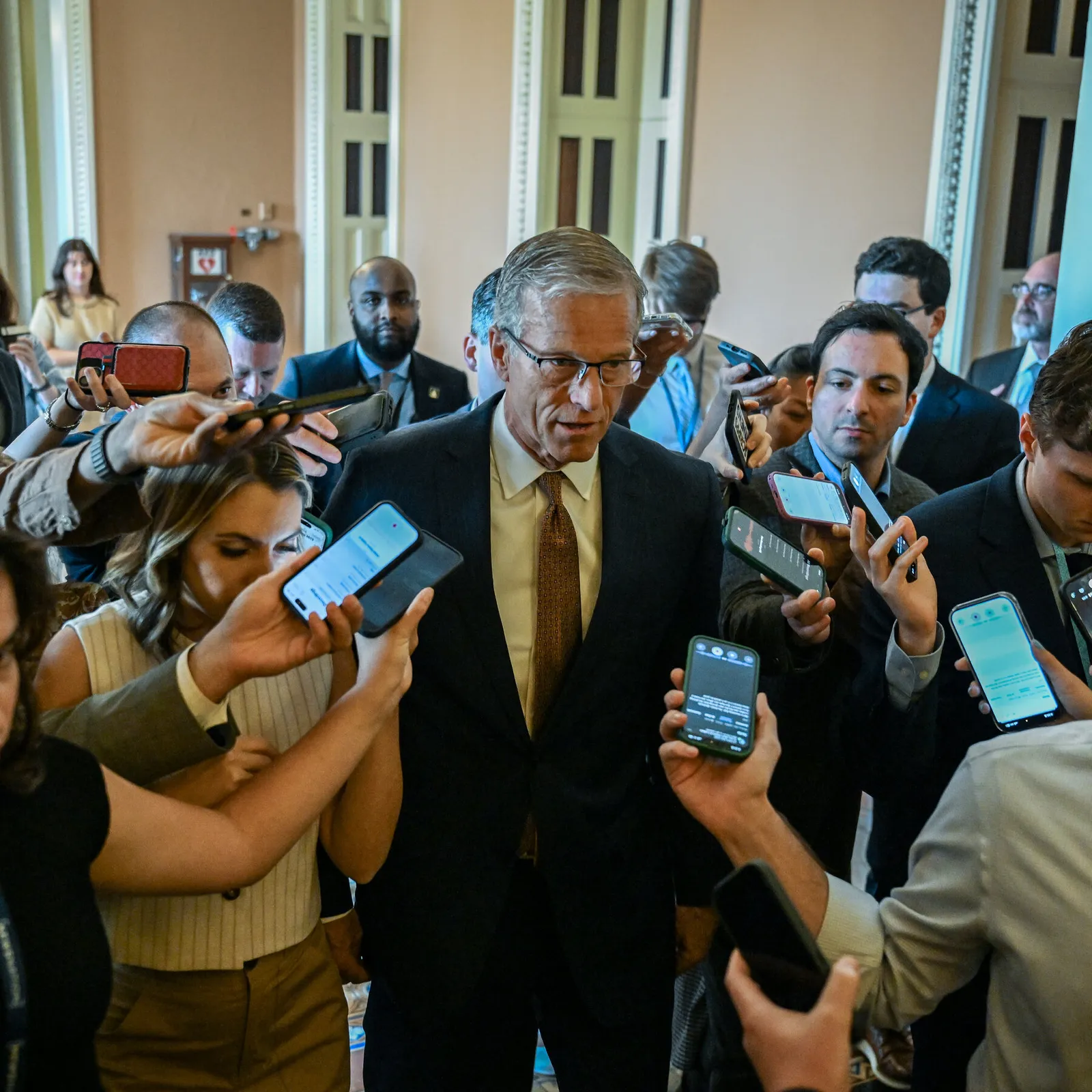
A House panel approved a Republican budget plan tied to an Iran-war package worth $95 billion and including the SAVE Act. The rift inside the GOP over size, cost, policy provisions, and election timing creates uncertainty for decision-makers weighing the political and legislative path ahead.
A House panel approved a $95 billion Republican budget plan for an Iran-war effort and included the SAVE Act, but the story does not end with the vote. Inside the GOP, rifts are deepening over the plan's size, its cost, and the policy provisions themselves. Just as importantly for near-term governance, many Republicans are concerned about timing ahead of the midterm elections.
That timing concern is not a footnote. When a major package that mixes war funding and policy riders lands in the months leading to elections, lawmakers face a brutal calculus: push it now and risk backlash, delay it and risk losing leverage, or try to repackage it and risk fracturing the coalition. The House panel's approval shows the measure can move, but the underlying party division suggests the legislative runway could be bumpier than a simple committee green light would imply.
To understand why this kind of split matters beyond Capitol Hill talking points, look at how U.S. budgeting typically works. Budget plans and appropriations create cascades: they set constraints, authorize or fund programs, and shape what other committees can do next. Even if a panel approves a measure, floor negotiations often turn on who wants what and when, especially when the package includes both funding for a specific national security objective and policy provisions that can be controversial to different wings of the party.
The GOP's internal disagreement over the plan's size and cost is a classic conflict between two instincts that can both be rational in different ways. One side prioritizes strength and readiness, using higher funding as a signal and a means to support operational goals. Another side is focused on fiscal posture and the political risk of selling large dollar figures, particularly if opponents can frame the spending as unchecked or poorly targeted. When a committee passes legislation but the coalition is not aligned, the vote count on the floor becomes less about the bill's merits and more about whether enough members believe the political trade is worth it.
Then there is the policy layer: the SAVE Act is not just an add-on in the way a purely technical fix might be. Policy provisions can trigger disagreement among lawmakers who might otherwise unite around a shared goal. That is what often turns “it passed the panel” into “it might not survive the process.” If members believe a policy rider drags the overall bill into fights that are hard to win, they may push to strip it, renegotiate it, or slow-walk it until they can consolidate support.
Finally, the election-timing worry introduces a more subtle dynamic that executives and boards should recognize even if they do not follow legislation day to day. In political systems, timing can override substance. Legislators operate under constraints like fundraising calendars, voter sentiment, and the need to avoid being tagged as the author of unpopular headlines. The source notes that many Republicans are concerned about the timing before the midterm elections. That is a direct signal that coalition maintenance might become the priority over speed.
Second-order effects follow fast when coalition stability is in question. If lawmakers cannot agree internally, the practical outcome is uncertainty: amendments proliferate, negotiating positions shift, and external stakeholders learn they cannot plan on an outcome they previously assumed was likely. For companies, policy groups, and other organizations that interact with federal programs, that uncertainty can change contracting expectations, compliance timelines, and risk assessments.
At the executive level, this is the same playbook as any high-stakes internal debate. When a proposal clears one gate but the organization is divided over cost and implementation details, leadership must anticipate longer negotiations and potential redesign. Here, the “proposal” is the $95 billion Iran-war budget plan with the SAVE Act, and the “organization” is the GOP. For decision-makers watching the legislative process, the key question is not whether the measure exists, but whether the internal rift can be managed well enough to keep the bill intact as it moves from committee momentum to broader votes.
This story's Key Insights and Take-aways are locked.
Create a free account to unlock Executive Actions for one credit.
Register to UnlockAlways free for Executives Club members. Join the Club
More in Politics

LA County: DOJ's 20,000 'noncitizen' voter list is 'unreliable,' includes U.S.-born
Preliminary review by Los Angeles County election officials finds errors in the federal list, raising the stakes for voter roll integrity ahead of November.

Trump's $1.5B Pentagon chip investment lands in North Carolina
A $1.5 billion defense infusion for North Carolina chipmaking signals a new era of Pentagon-backed reshoring - here's what it means for the industry.

Nigeria confirms first Ebola case in Abuja, a woman just off a Uganda flight
Health Minister Muhammad Ali Pate says the patient flew in from Uganda, putting Africa's latest outbreak on Nigeria's doorstep.