

How a $100M cashmere-feel diaper line is rescuing P&G's growth
New CEO Shailesh Jejurikar is betting premium Pampers Amore can get inflation-weary shoppers to pay more, and the early results are turning heads.
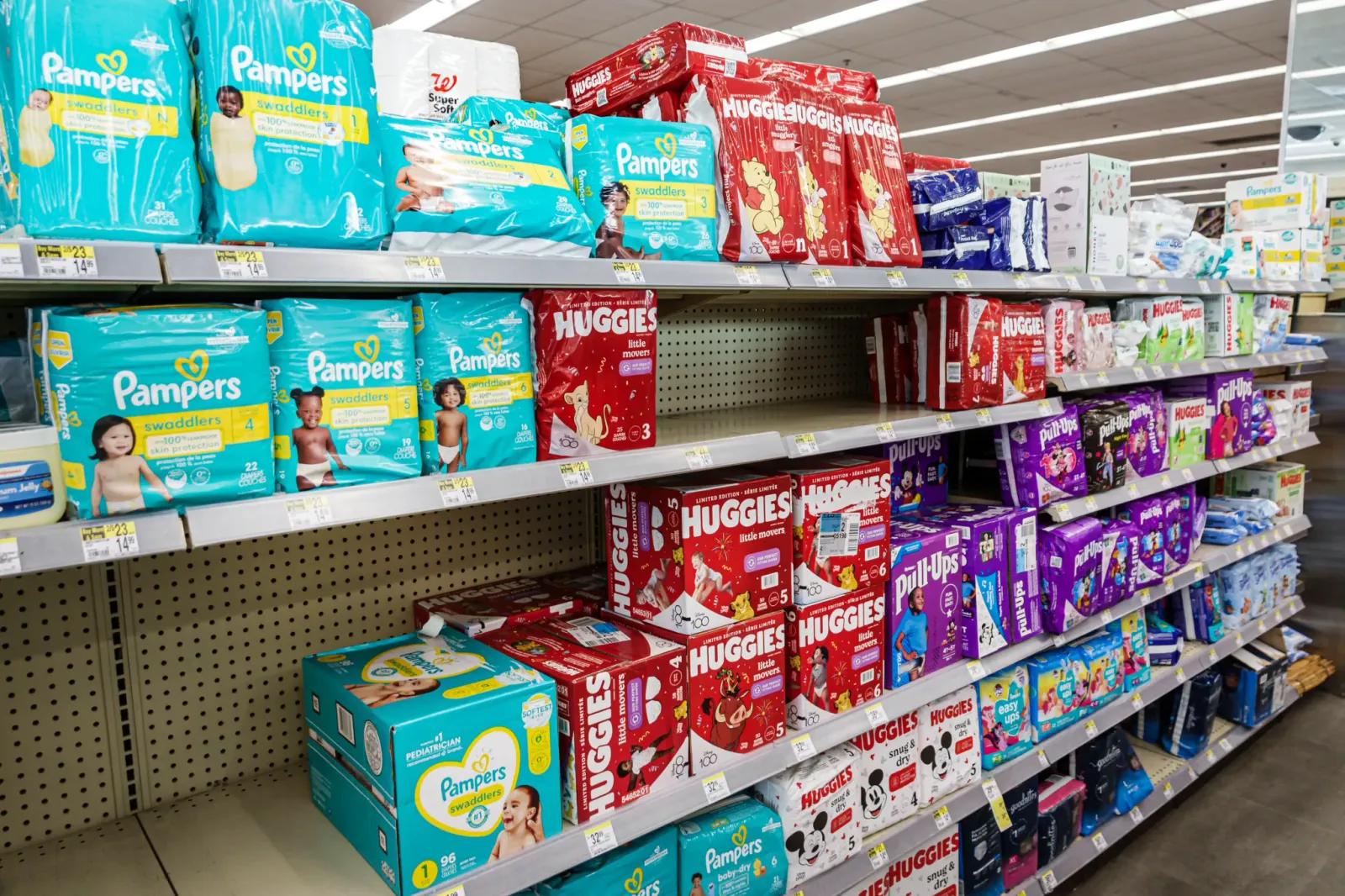
Procter & Gamble's new Pampers Amore diaper line is on track for $100 million in first-year sales and helped new CEO Shailesh Jejurikar deliver P&G's best organic sales growth in 11 quarters. The premium-product bet is now the model for how P&G plans to defend pricing power in a split consumer economy.
Procter & Gamble's premium Pampers Amore diapers, launched in the U.S. in March, are on track for $100 million in first-year sales, and they are quietly becoming the centerpiece of new CEO Shailesh Jejurikar's turnaround. Amore is P&G's first new diaper line since 2018, and it is priced 10% higher than a 108-pack of Pampers Swaddlers, thanks to features like greater absorbency, a cashmere-like feel, and superior skin protection. The bet is simple: give inflation-weary shoppers a product compelling enough that they will trade up, even while they are clipping coupons on everything else.
That bet paid off last week. P&G reported organic sales rose 4% in its first fiscal quarter of 2027, the company's best performance in 11 quarters, and shares jumped 6% Thursday, their biggest single-day gain since 2020. The results reversed a slide that had defined the company for years and reassured Wall Street that Jejurikar, who took over on Jan. 1, can navigate a brutal consumer environment. In his own words, the quarter reflected P&G's sharpened execution of its integrated strategy, and Amore was a key contributor to the strongest organic growth P&G has posted in nearly three years.
The strategy Jejurikar is running is a two-sided play for a deeply divided consumer base. On the lower end of the economic spectrum, P&G is offering lower prices and new pack sizes of household staples; in the baby, feminine, and family care unit, average prices actually fell 1.2% in the latest quarter. On the higher end, P&G is pushing innovation that can command a premium. Amore is the flagship example, and the company has also leaned into problem-solving products like Pantene's Abundant & Strong haircare line, launched last year for women struggling with hair loss, based on P&G research linking scalp oxidative stress to poorer hair quality.
That dual-track approach matters because the consumer goods giant is trying to recover from a long slowdown. Under Jejurikar's predecessor, Jon Moeller, who was CEO from 2021 through 2025, P&G managed inflation by raising prices just enough to protect revenue without alienating shoppers, but organic sales growth steadily shrank from 7% in fiscal 2023 to 1% in fiscal 2026. The sharp reversal in the latest quarter suggests the innovation-plus-value mix is working, a point Bloomberg Intelligence analyst Diana Gomes made in a research note, saying the results should bolster confidence that innovation and value interventions are restoring underlying growth.
Jejurikar is no newcomer to P&G's ups and downs. He started at the company in 1989 as assistant brand manager of personal health care in India, joined the global leadership team in 2014, became CEO of the Fabric & Homecare business in 2019, and was promoted to operating chief two years later. He was named chairman this summer, and he is now halfway through a restructuring program that began under Moeller and includes 7,000 job cuts. But his mandate is bigger than cost cutting. As he told Wall Street analysts soon after becoming CEO, P&G has to again step out from the pack and lead.
The stakes extend far beyond diapers. P&G is one of the world's biggest consumer products companies, and its pricing power is a bellwether for the entire sector. If a cashmere-soft diaper can command a 10% premium, then premium positioning can still work in a value-obsessed market. CFO Andre Schulten, a 30-year P&G veteran, put it bluntly in a CNBC interview: We know how to grow these categories and win with superior innovation, better execution, and clear communication.
The open question is whether that premium momentum lasts once the novelty fades and inflation keeps biting. For every other CEO in consumer goods, the P&G playbook is now on display: defend the low end with value packs and cheap staples, then invest aggressively in high-end products that feel worth the splurge. Amore's $100 million first-year run rate is still a small piece of P&G's overall revenue, but it is proof that the split-consumer strategy can produce growth in both directions at once. The next few quarters will show whether shoppers keep paying for softness when they feel the pinch elsewhere.
This story's Key Insights and Take-aways are locked.
Create a free account to unlock Executive Actions for one credit.
Register to UnlockAlways free for Executives Club members. Join the Club
More in Business
Anthropic Files for IPO, Ticker 'ANT' - The AI Listing to Watch
The AI company has filed for an initial public offering under the ticker 'ANT,' giving public investors a new way to bet on the generative AI boom.

Anthropic's S-1 reveals $80.7B loss as it races OpenAI to IPO
The Claude maker files publicly for a Nasdaq listing under 'ANT,' exposing staggering losses and a world-altering ambition before it can beat OpenAI to the market.
A flaw in PHP just forced governments to pull their own sites offline
European agencies from Belgium to Germany took websites dark to patch a critical weakness in the language behind almost 70% of the web, and the blast radius extends far beyond government portals.