
Humanoid robotics startup targets up to $1.4B, backed by Nvidia, Amazon, and others
A physical-AI capital rush is underway, and the $1.4B ceiling signals how serious investors are about robots that act.
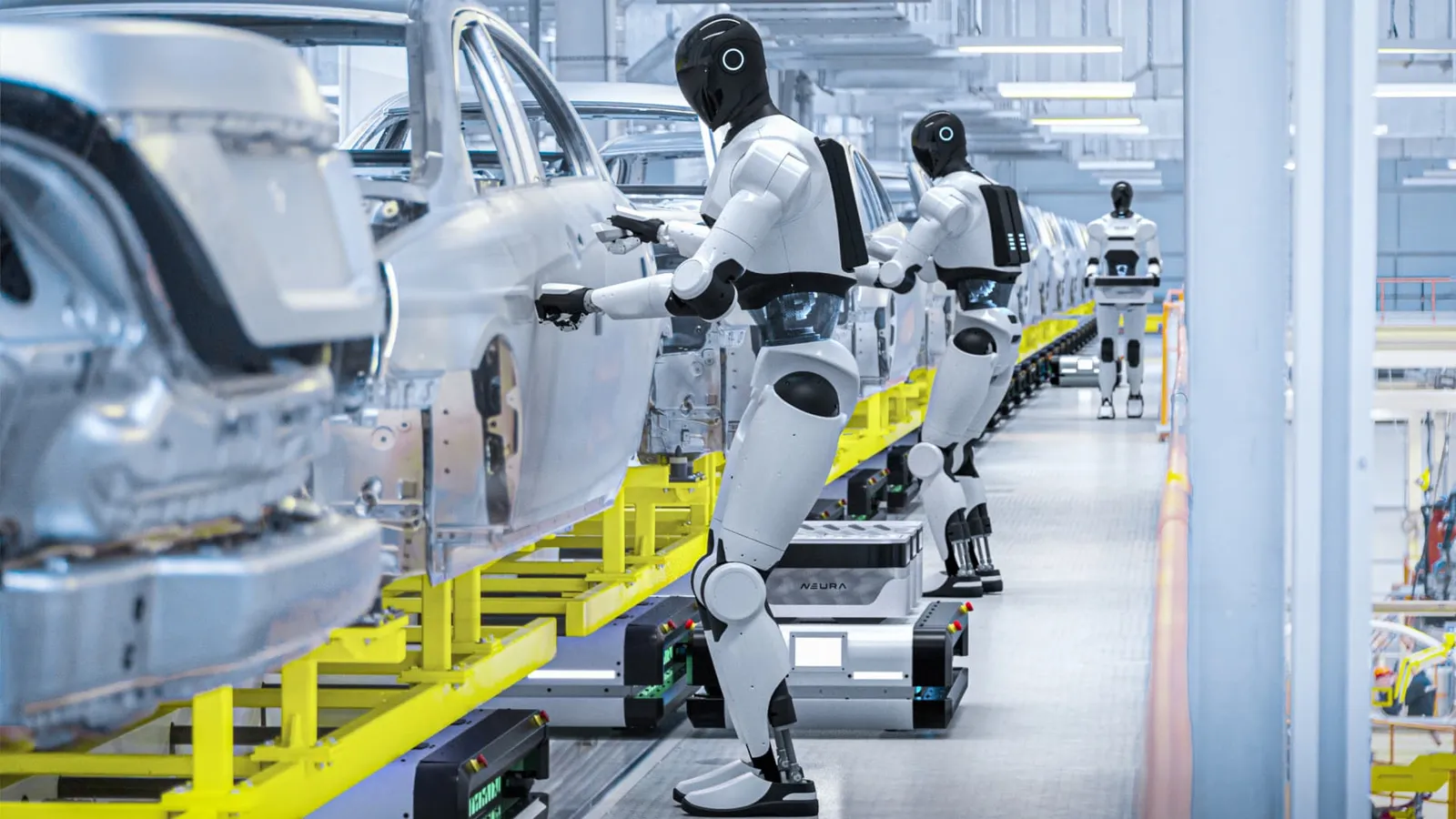
A humanoid robotics company is raising up to $1.4 billion, with investors including Nvidia and Amazon among those backing it. The move underscores that physical AI is pulling in major strategic capital, not just speculative bets.
A humanoid robotics company is raising up to $1.4 billion, and investors including Nvidia and Amazon are in the mix. The headline stake is the size: $1.4 billion is not “startup life support money.” It is a statement that the market wants physical AI to scale, fast, and that big tech sees real upside in machines that can move through the world instead of just generate text.
This isn’t happening in a vacuum. The reason the round matters is that the “physical AI” category is where the difficulty is highest: robots must perceive, decide, and then physically execute in messy, real-world environments. That is expensive, and it is slow, which is exactly why the presence of investors like Nvidia and Amazon is a meaningful signal to decision-makers watching from the sidelines. When these players show up, it suggests the bet is not only on demos, but on building systems that can operate at production scale.
Zoom out and you can see the pattern. Over the past year, funding has concentrated into AI architectures and compute because software benefits quickly from scaling. But robotics is different. The bottleneck is not only models, it is integration: sensors, actuators, safety layers, warehouse or factory workflows, maintenance, and long-run reliability. That is why investors rushing into physical AI is such a big deal for boards and executives. The money is chasing a category that is harder than most “AI-first” plays, which raises the odds that the winners will be the teams that can translate breakthroughs into durable operations.
Another reason this matters right now: capital in AI is not just about funding progress. It is about signaling. When a major round includes strategic names, it can change who partners with whom, who gets procurement conversations, and which engineering teams get hired. Nvidia’s involvement, for example, is often read in the market as a bet on the compute ecosystem that powers AI, while Amazon’s involvement reads like an interest in automation and logistics use cases. The source also frames the round as part of an “investors have rushed” dynamic, meaning the competition for leaders in physical AI is intensifying.
There is also a regulatory and safety backdrop that executives cannot ignore. Humanoid robots are not like chatbots that live safely behind a screen. Their deployment touches workplace safety, consumer protection, and liability questions if something goes wrong. Even before rules are fully mature, investors have to underwrite risk, so they typically favor companies with credible safety plans and integration pathways into supervised environments. That helps explain why capital is pouring into physical AI now. The market is trying to move from speculative prototypes to systems that can survive real operating conditions, including regulatory scrutiny and insurance-like risk assumptions.
Second-order, this kind of funding can reshape strategy for peer companies. If investors are committing up to $1.4 billion into humanoid robotics, competitors cannot just match the tech. They also have to match the go-to-market credibility: partnerships, deployment readiness, and the ability to show learning loops that improve performance over time. Boards will likely pressure management teams for clear milestones: what is being automated first, what environments are targeted, and how quickly the company can reduce unit costs as the hardware and software stack matures.
For operators, this round is also a reminder that “physical AI” is turning into a capital intensive arms race. The most visible model breakthroughs can be copied, but robotics moats often come from hard-to-replicate execution: datasets collected in the field, hardware iteration speed, reliability engineering, and the operational playbooks for deploying robots in constrained spaces. When major investors back a humanoid company at this scale, it raises the bar for everyone else in the category.
In the end, the $1.4 billion target tells you what investors believe: that humanoids are not just a science fair idea anymore. They are a real effort to build machines that can act in the world, and the money reflects urgency. If you are a founder, investor, or executive watching the AI landscape, the strategic question becomes clear: will you be underwriting the transition from lab to logistics, factories, and eventually public-facing use, or will you be the one explaining later why you missed the rush?
This story's Key Insights and Take-aways are locked.
Create a free account to unlock Executive Actions for one credit.
Register to UnlockAlways free for Executives Club members. Join the Club
More in Technology

OpenAI says 10,000 agents cracked a 90-year math problem in 88 hours
The company's claim is audacious, but one mathematician is pushing back. Here's what it means for AI-driven discovery.

Meta still serves child sexual abuse ads on Instagram in India - BBC report
A new report following the BBC Eye investigation says the ads are still there - what it signals for every platform with a self-serve ad engine.

White House yanks 'Build the Wall' game after Tetris Company copyright warning
The administration's arcade game vanished in hours - and the takedown playbook every brand can learn from.