
Hybrid models drive U.S. second-quarter sales, leaving non-hybrids to lag
CNBC breaks down the Q2 split: automakers leaning on hybrids outperform, and the gap is reshaping what boards prioritize.
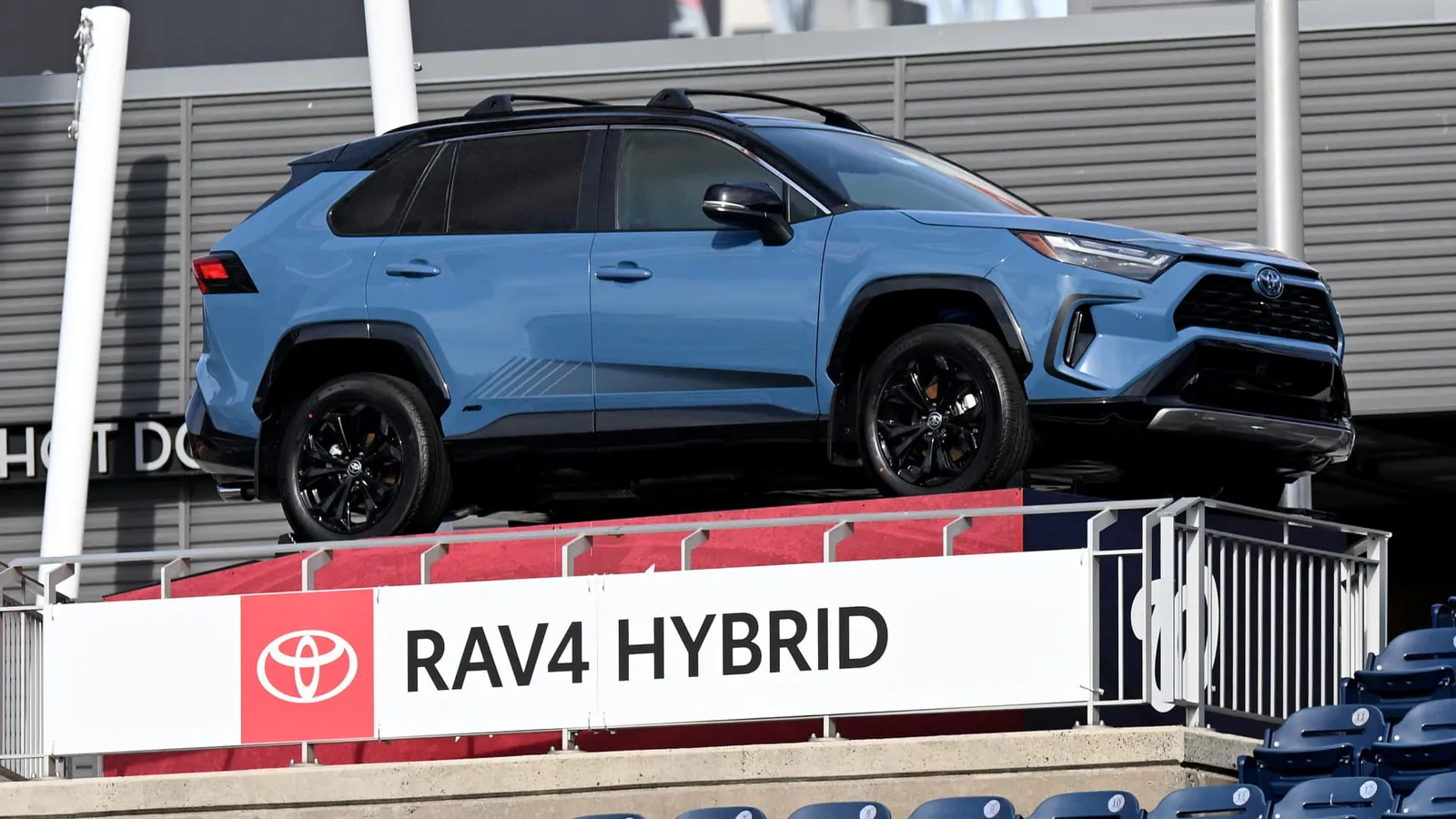
Automakers reported mixed results in U.S. new vehicle sales for the second quarter, with hybrid models largely outperforming vehicles without hybrid options. For decision-makers, the message is straightforward: the product mix you bet on is showing up immediately in demand.
Second-quarter U.S. new vehicle sales delivered a clear split, and the pattern is hard to miss: automakers offering hybrid models largely outperformed those without hybrid options. That is the headline-level reality CNBC surfaced, but the real business story is what this kind of divergence does to planning cycles, incentives, and board-level debates.
In other words, this is not a “nice-to-have” market preference. It is showing up in quarterly numbers. When hybrid-heavy lineups perform better in the same shopping environment, it tells management teams something they need to act on fast: customers are rewarding availability, not just branding. That matters because automakers do not just sell vehicles, they sell configurations, financing structures, and delivery timelines. A lineup that is mismatched to what buyers want in the quarter can leave inventory stuck and cash tied up. A lineup that matches, particularly on hybrids, can convert foot traffic into contracts more reliably.
To understand why hybrids are driving this outcome, it helps to frame how the U.S. auto market is moving. Buyers are balancing several forces at once, including fuel costs, charging access, and how quickly they expect prices to move. While pure battery electric vehicles are part of the conversation, hybrids often sit closer to the “use it tomorrow” mental model for many drivers: fewer steps on the daily routine than fully electric power, while still moving toward lower emissions than traditional gas-only vehicles. That makes hybrids a practical bridge option. And when a bridge option becomes widely stocked and actively marketed by automakers, it can translate into immediate sales momentum.
There is also a regulatory layer that makes this more consequential than it sounds. Automakers in the U.S. operate under tightening emissions expectations, and they have to manage compliance while keeping production and profitability in balance. Hybrid vehicles can play a role in meeting policy and performance targets without requiring the same infrastructure and usage assumptions that can come with fully electric models. Boards and executives care about this because compliance strategies are not theoretical. They influence product roadmaps, sourcing, and how teams allocate capital across manufacturing and engineering.
Now connect that to the operational reality behind “mixed results.” Automakers are not monoliths. They have different portfolios, different manufacturing footprints, and different rollout schedules. If two companies are competing in the same quarter, but one has more hybrids available, or has hybrids that align better with what buyers are shopping for, the sales outcomes will diverge even if both companies are running promotions or adjusting pricing. The market becomes a live stress test of strategy.
Second-order, this kind of Q2 split can reshape internal incentives. Sales leaders tend to be measured on deliveries and sell-through. If hybrid inventories move faster, teams behind those vehicles get reinforcement: marketing gets budget, dealerships lean into the models that get customers to say yes, and future supply allocations follow demand. Meanwhile, non-hybrid-focused efforts can face harder questions. Are marketing messages missing the customer reality, or is it simply that the product offering is less aligned to what the market rewards right now?
For a boardroom, the implications go beyond one quarter. The risk is not just missing sales targets, it is falling behind in the learning loop. Automakers need to understand which vehicle types convert across regions and income bands, and which trims carry demand resilience. A hybrid-led quarter can accelerate those learnings for one group, while leaving another group scrambling to reinterpret the market and re-plan.
Peer companies will be watching closely, because capital allocation in autos is slow and expensive. Factories, battery supply agreements, component sourcing, and model refresh timing are all multi-quarter decisions. When CNBC reports a divide where hybrid models largely outperform those without them, executives at other automakers have a clear signal to weigh: the product mix is not just a brand choice, it is a demand choice. The strategic stakes are immediate. Companies that align inventory and investment with the hybrids that are performing better in the second quarter will likely have an advantage not only in near-term sales, but also in how quickly they can iterate their next set of offerings. Companies without that alignment face a tougher path, because catch-up is rarely instantaneous in a production business.
This story's Key Insights and Take-aways are locked.
Create a free account to unlock Executive Actions for one credit.
Register to UnlockAlways free for Executives Club members. Join the Club
More in Business

Comcast shares jump 25% as it plans to split NBCUniversal and Sky
The tax-free spin-off could reshape focus, funding, and competition across media and tech for years.

Bungie cuts most Destiny 2 staff as Sony says Marathon still matters
Herman Hulst confirms layoffs affecting most Destiny and some Marathon teams after Bungie admits Destiny fell short.

SK Hynix jumps 11% after seeking up to $29.4B in Nasdaq listing
The chip giant filed for a Nasdaq listing plan that could raise $29.4 billion, instantly reshaping investor expectations.