

IDC: PC shipments -4.9% but revenue rises as vendors push prices faster
The memory crisis is shrinking units while dollars hold up, reshaping who can pass costs through and who gets squeezed.

An IDC consumer-devices report says worldwide PC shipments fell 4.9% from Q2 last year to Q2 this year, yet PC revenue climbed. For decision-makers, the implication is clear: pricing power and supply-chain contracts can matter more than demand momentum during a memory shock.
PC makers are staring at a weird math problem: IDC says worldwide PC shipments fell 4.9% from Q2 last year to Q2 this year, yet revenue is climbing anyway. The culprit is not a mystery in consumer taste. It is the memory crisis, and more specifically the speed at which vendors can raise prices compared with how fast demand is dropping.
IDC frames it as a “disconnect between units and dollars.” Jitesh Ubrani, the research director for consumer devices at IDC, is quoted saying, “The real story here is the disconnect between units and dollars: shipments are falling, but revenue is climbing because vendors are pushing through price increases faster than demand is dropping.” In other words, even as fewer PCs ship, the per-unit economics can still improve if the market pays up quickly enough. For executives, that is not a comforting scenario. It is a reminder that in a supply shock, revenue resilience can hide weakening volume.
The report also sketches how that resilience plays out across major brands. IDC’s tracking shows Lenovo dropping from 17 million units to 16.6 million. HP moves from 14.3 million to 13 million. Dell declines from 9.8 million to 9.3 million. Asus is described as nearly flat. Meanwhile, Apple is the standout exception: shipments rise from 6.1 million to 6.7 million, a roughly 10% increase, and its market share jumps from 8.5% to 9.9%.
If you are a CFO or board member, the Apple detail is more than trivia. It suggests that the right product timing and positioning can convert a cost crisis into share gains, even when competitors are shrinking. IDC links Apple’s share gain to its latest product launch, the MacBook Neo, and adds that “while the company did raise prices in line with the broader market, it still remains well positioned against rivals facing the same cost pressures.” That matters because it implies price increases do not automatically create a loss of share. They create an opportunity for brands with cleaner product-market fit, tighter channel control, or more credible value signals.
Now zoom out to why memory costs dominate this story. In typical times, PC demand falls and rises with broader economic and replacement-cycle dynamics. But this is not typical. The source calls out that it is hard to justify a PC upgrade during the memory crisis, which points to customers delaying purchases. IDC’s “first decline after nine consecutive quarters of growth” also reinforces that the market has likely been propped up until the current imbalance between cost and willingness-to-pay finally bites.
So where does the revenue lift come from if demand is weakening? IDC is pointing to a simple operational advantage: supply chain management and the ability to secure and move memory and storage. The report says supply chain capabilities will continue to be “incredibly important,” and that “some major manufacturers will be increasingly signing long-term contracts to supply memory and storage for devices, in order to keep selling through the memory crisis.” That is a second-order effect executives should not ignore. Long-term contracts can stabilize cost and availability. They can also reduce the volatility that smaller competitors experience when negotiating leverage evaporates.
The source flags exactly that risk: this probably “doesn't mean good things for smaller operators, as they'll have to navigate the larger companies' increased buying and negotiating power.” In practice, that can turn a temporary component shock into a structural market reshuffle. Larger players lock in supply, keep shipments moving, and potentially defend margin through pricing. Smaller players may face thinner options, more frequent cost spikes, and more brutal trade-offs between accepting lower margin or pushing higher retail prices that dampen demand.
Looking ahead, the memory crisis does not come with a clean calendar. The source mentions Bernstein research analysts’ view that SK hynix will significantly reduce its prices by the end of 2028, but it also says more increases are likely before then. The key strategic takeaway is that executives should treat the near-term as an extended period of volatility, not a quick dip-and-recover. IDC even notes that this is a report on global PC shipments, not necessarily gaming PC shipments, which historically have fared better during declines. That nuance matters for anyone segmenting their strategy by user intent and channel.
In short, the market may be delivering fewer units, but it is still charging more per unit, at least for now. When pricing power outpaces demand drop, revenue can look healthier than shipments. That is the trap. The board should read these numbers as an early warning system about volume pressure, customer delay, and the emerging supply-chain divide between players who can secure memory and storage through long-term contracting and those who cannot. In a memory-driven market, the question is not just how many PCs you sell, it is how fast you can keep them shipping without getting out-negotiated or outpriced.
This story's Key Insights and Take-aways are locked.
Create a free account to unlock Executive Actions for one credit.
Register to UnlockAlways free for Executives Club members. Join the Club
More in Business

AstraZeneca $27B wipeout as Wainua late trial misses cardiovascular target
A failed late-stage heart study triggered a swift market punishment, forcing investors and boards to reset timelines and risk.
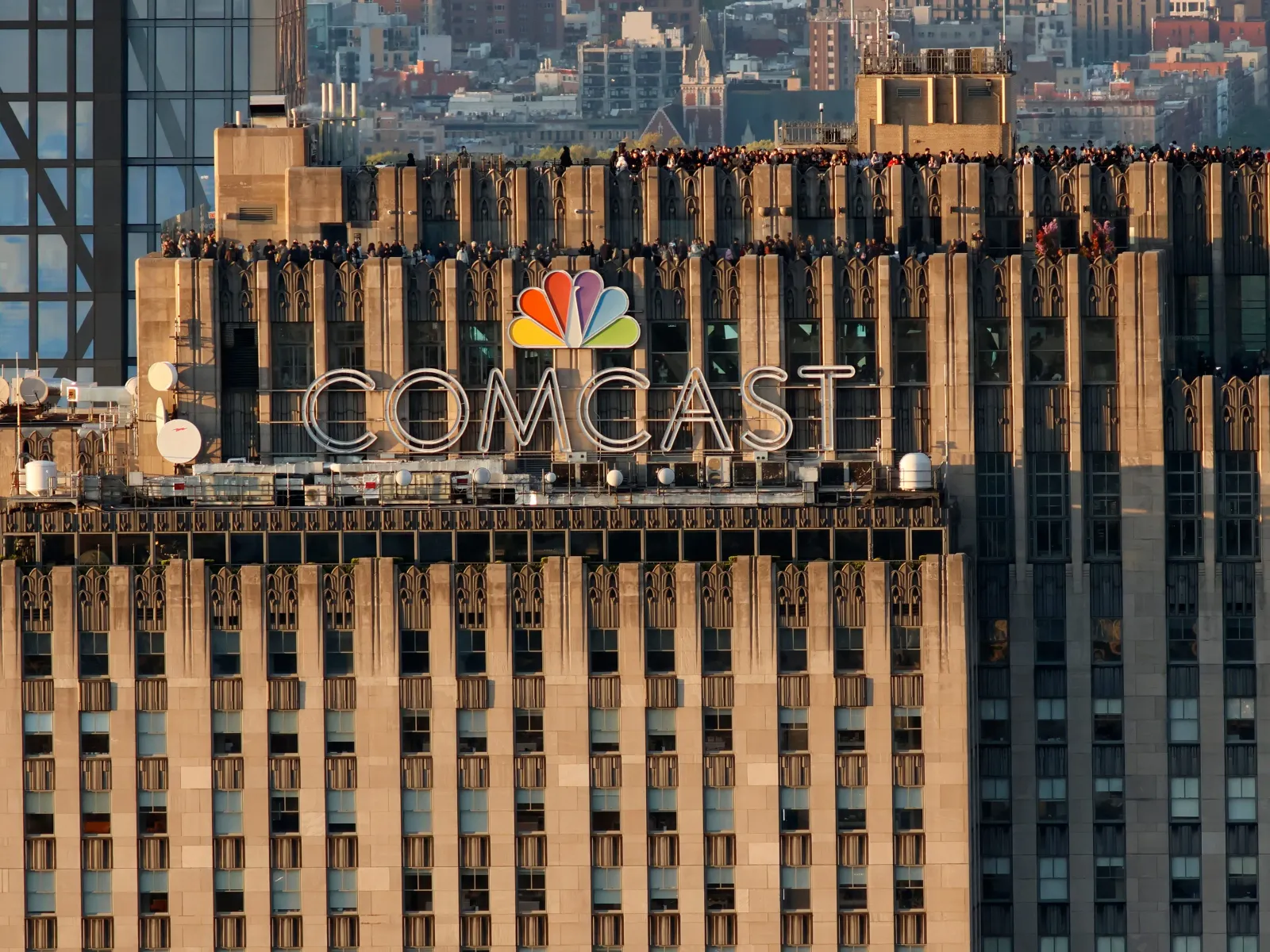
Comcast shares jump 25% as it plans to split NBCUniversal and Sky
The tax-free spin-off could reshape focus, funding, and competition across media and tech for years.

Bungie cuts most Destiny 2 staff as Sony says Marathon still matters
Herman Hulst confirms layoffs affecting most Destiny and some Marathon teams after Bungie admits Destiny fell short.