
IllFonic’s Halloween goes solo: trailer teases a Myers POV campaign untethered from PvP
Executives should care because a longtime PvP-heavy franchise is signaling a new revenue and retention angle with single-player structure.
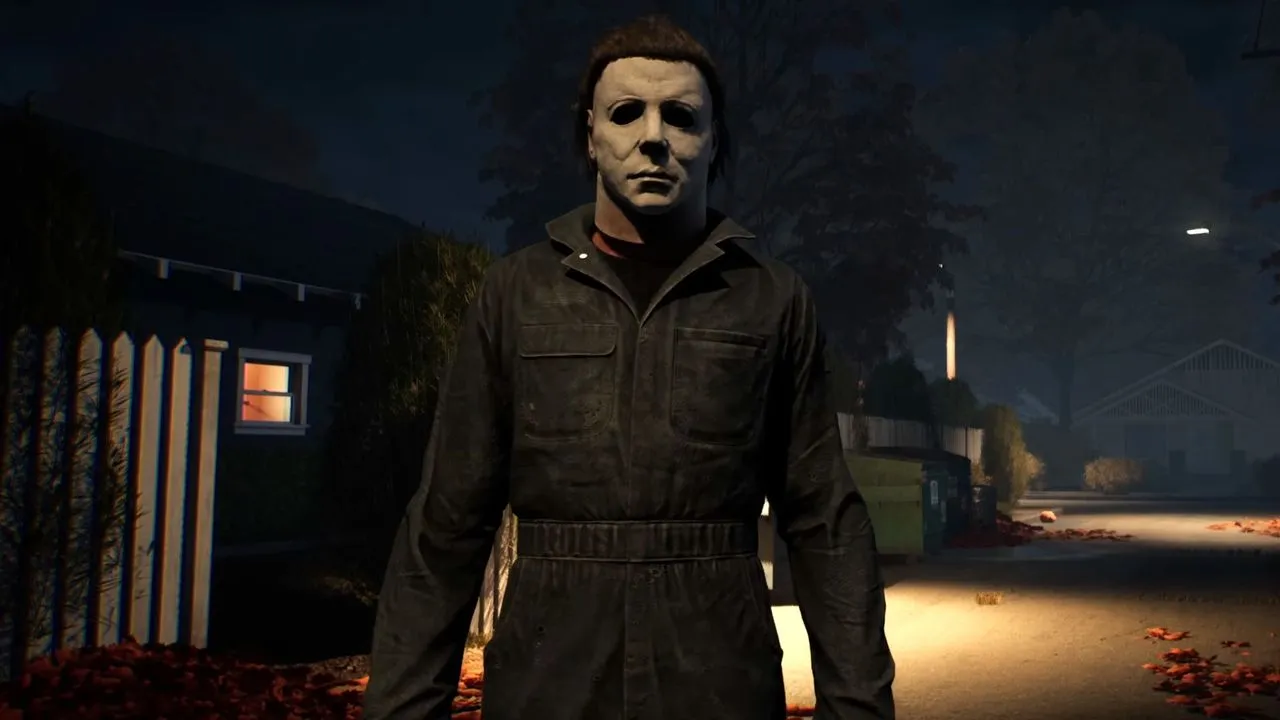
IllFonic used the Future Games Show to tease Halloween: The Game’s single-player slash 'em up campaign, positioning it as untethered from online PvP and told from Michael Myers' POV. For decision-makers, the move could change how the game monetizes, retains users, and differentiates itself against prior IllFonic horror titles like Friday the 13th.
Here is the shift that matters: IllFonic is teasing a Halloween game campaign where players follow Michael Myers himself, and it is presented as untethered from online PvP. A trailer shown at today’s Future Games Show previewed that solo mode, with weary narrators recounting how scary you are, while brief gameplay clips show lots of stabbing and menacing forward movement. In other words, if you do not want the social pressure of queueing into asymmetric multiplayer, the game is trying to give you the “carve through the night” fantasy in single-player form.
The immediate question for anyone making product or investment decisions is simple: will “solo campaign” be more than an afterthought? The source makes clear that this campaign is not tethered to the online PvP experience, and it is set to cover Myers’ “origin story.” The trailer’s details are admittedly light on footage, but the design signals a specific promise: you play from Myers' perspective and drive the pacing through slashing action. If that works, it turns a license that many players associate with multiplayer horror into something closer to a structured action experience.
This is happening in a market where asymmetric PvP is described as “all the rage these days,” especially among licensed horror games. The story even points out that a new 3v1 Saw game was revealed yesterday, underscoring that the asymmetrical horror play pattern is hot right now. Against that backdrop, a solo campaign is not just a feature. It is an attempt to capture a different segment of demand: people who want the gore and stalking tension without matching up against other humans in real time.
For executives and board members, the second-order implications are where it gets interesting. PvP-centric games often optimize around matchmaking systems, live operations, and community health. If this Halloween mode is truly untethered from online PvP, it may reduce reliance on server populations to deliver a baseline experience. That matters because it changes what “minimum viable health” looks like for the product. Instead of requiring a constant stream of active players to feel like a complete game, IllFonic can aim for a campaign that delivers value through narrative and action pacing. Even if PvP remains the headline product, a solid solo offering can stabilize user perception when multiplayer activity fluctuates.
There is also a brand-level incentive here. The source contrasts Halloween games with “a Halloween movie,” implying the narrative framing is built around the character’s perspective. It compares the appeal to reverse-horror gorefests like Carrion and Manhunt, framing the experience as tense action where you are playing with your food. That comparison is more than vibe; it hints at the core design loop the solo campaign might lean on. In reverse-horror setups, the player’s power is the tension engine. You advance, you hunt, you control tempo. If IllFonic can translate that satisfaction into a Myers-origin structure, the game could feel novel even to players who know Dead by Daylight and similar asymmetrical titles.
The article also calls out history that matters for expectations: Dead by Daylight and IllFonic’s predecessor, Friday the 13th, “had no substantive single-player modes to speak of.” That is a meaningful precedent because it suggests the studio’s portfolio has leaned hard into multiplayer-first delivery. A meaningful pivot toward a campaign is, therefore, a product risk and an operational risk. It raises questions like: will the narrative be “heavy” enough to justify the solo label, and will the gameplay be deep enough to carry its own weight without the unpredictability of PvP? The source is candid that the gameplay clips are brief, so the proof is pending. But the intent is clear, and it is grounded in something players want: the ability to stab and stalk “to your heart’s content” without online competition pressures.
Regulatory background is not a major focus in the source, but the content category is still relevant for executives because horror licenses and gore are typically subject to platform policies and rating requirements. While the article does not cite any specific regulatory action, the strategic stake is real: single-player modes can trigger different scrutiny pathways than multiplayer, because campaign narratives and cutscenes are often more tightly reviewed for rating and platform compliance. That can affect release timing, marketing approvals, and storefront visibility. In short, adding a narrative-heavy solo campaign can bring operational complexity even if it is creatively exciting.
Finally, the timeline: Halloween: The Game releases Sep. 8 later this year and is available to wishlist on Steam. That matters because the wishlist moment is where many commercial outcomes begin: it is a proxy for early demand, and it can influence how effectively marketing can convert interest into downloads once the single-player value proposition is fully communicated. The source also notes PC Gaming Show returns Sunday, June 7 at 12 pm PDT, with a Steam page to wishlist anticipated games and tune in for big reveals. If IllFonic uses that window to show more substantive campaign gameplay, it could clarify whether this solo mode is a true alternative to PvP or a limited companion.
For peers in horror games, the strategic stakes are plain: if IllFonic pulls off a satisfying Myers POV origin campaign, it offers a credible playbook for capturing players who are tired of asymmetrical multiplayer grind. If it does not, it still signals something: even studios riding the PvP wave believe they need a solo backbone to broaden the audience. Either way, boards and investors should treat this as more than a trailer line. It is a test of how licensed horror can evolve beyond the queue.
This story's Key Insights and Take-aways are locked.
Create a free account to unlock Executive Actions for one credit.
Register to UnlockAlways free for Executives Club members. Join the Club
More in Entertainment

Christopher Nolan’s “The Odyssey” posts his biggest Tuesday haul, surpassing “The Dark Knight’s” record
The film’s Tuesday breakout reframes Nolan’s box-office ceiling and forces competitors to rethink timing, budgets, and release strategy.

Kacey Musgraves cancels Aug. 20, 29, Sept. 2 Middle of Nowhere shows
Ticketmaster emails are telling fans refunds are coming, while the tour still starts Aug. 21 in Chicago.

Billie Joe Armstrong launches Epiphone Les Paul Junior and Marshall 1959BJA signature gear
Two limited releases turn decades of Green Day’s tone into branded hardware, including Marshall’s first artist amp in 14 years.