

India launches first hydrogen train as rail modernization heats up
A hydrogen-powered rail debut signals how India could decarbonize transport while reshaping procurement, safety, and infrastructure priorities.

India has launched its first hydrogen train as part of a broader rail modernization drive, using hydrogen as a new way to power rail operations. For decision-makers, the debut is a live test of standards, supply chains, and capital planning for low-carbon transport.
India has launched its first hydrogen train, putting a hydrogen-powered passenger option on the rails as the country pushes a wider rail modernization drive. This matters because hydrogen is not a minor tweak. It is a whole new energy pathway for a sector that is typically evaluated on reliability first, cost second, and emissions last.
The headline is simple: India is rolling out a train that runs on hydrogen, and it is doing it now rather than treating low-carbon pilots as permanent experiments. The strategic punch comes from what that implies for rail operators and the ecosystem around them. A hydrogen train is a commitment to infrastructure. You need fuel supply, handling systems, safety procedures, maintenance practices, and operational training. In other words, the train is only the start. The modernization plan has to include everything that keeps it running day after day.
To understand why this is a big deal, it helps to look at how rail modernization typically works. Rail projects are long-cycle undertakings. Rolling stock procurement and infrastructure upgrades are usually planned to keep fleets stable for years, sometimes decades. That makes decisions about the power source unusually sticky. If hydrogen becomes part of the operational mix, it reshapes budgets and contracts across engineering, utilities, procurement, and logistics. It also changes the risk profile. Regulators and insurers will care about storage, transfer, leak detection, and emergency response as much as they care about the train itself.
Hydrogen also sits at an uncomfortable intersection for many governments and operators. It is often discussed as a climate solution, but practical deployment depends on where the hydrogen comes from, how it is produced, and how consistently it can be delivered. Even without getting ahead of the facts, the core reality is that rail decarbonization is only as good as fuel supply reliability. A first hydrogen train is therefore both a technological milestone and a supply chain stress test. If delivery becomes inconsistent or expensive, the whole operational model gets strained.
On the regulatory and standards side, the debut forces the system to catch up. Rail is safety-critical, and hydrogen adds new hazards compared with conventional electrification or diesel. That means new or expanded procedures for operations, maintenance, and inspections, plus clearer rules for training crews and technicians. For boards and executive teams, this is the kind of shift that can create hidden costs if it is treated like a one-off demonstration instead of a program. The modernization drive is now implicitly tasked with building the governance around hydrogen: who signs off on safety cases, how incidents are handled, and how performance is monitored over time.
There is also a political economy angle. Large rail modernization efforts are often national priorities, and new energy approaches tend to become strategic. Hydrogen can pull in relationships with energy producers, industrial gas suppliers, infrastructure developers, and technology vendors. Once the first train is launched, procurement questions follow quickly: will future orders scale the current configuration, or will design choices change based on early performance? Will the fuel logistics be integrated or outsourced? Will maintenance be standardized or bespoke for hydrogen-equipped fleets? Each answer affects unit economics and the speed at which deployments can expand.
For peers watching from other countries and within India’s own rail ecosystem, the signal is clear. Hydrogen on rails is a reputational and operational bet that decarbonization can be engineered into core transport, not just promised. If the program proves operationally viable, it can influence how other operators frame their medium-term plans, how investors evaluate infrastructure risk, and how regulators define what “acceptable” looks like for hydrogen in everyday transportation.
And for decision-makers, the question is not whether hydrogen is interesting. The question is whether India’s rail modernization drive can turn interest into repeatable execution. The first hydrogen train launch is the proof-of-start. The real test will be whether the system around the train, from fuel supply to safety governance to maintenance discipline, holds up when the novelty fades and routine operations begin.
This story's Key Insights and Take-aways are locked.
Create a free account to unlock Executive Actions for one credit.
Register to UnlockAlways free for Executives Club members. Join the Club
More in Business

Uber buys Delivery Hero for nearly $15B, vaulting to top food delivery outside China
The deal doubles Uber's dual-services footprint and pushes a ride-and-eats bundling play into 50 more markets.

Epic and Google drop settlement bid, forcing rival Android app stores by July 22
Google told the court it is ready to carry third-party app stores starting Wednesday, July 22.
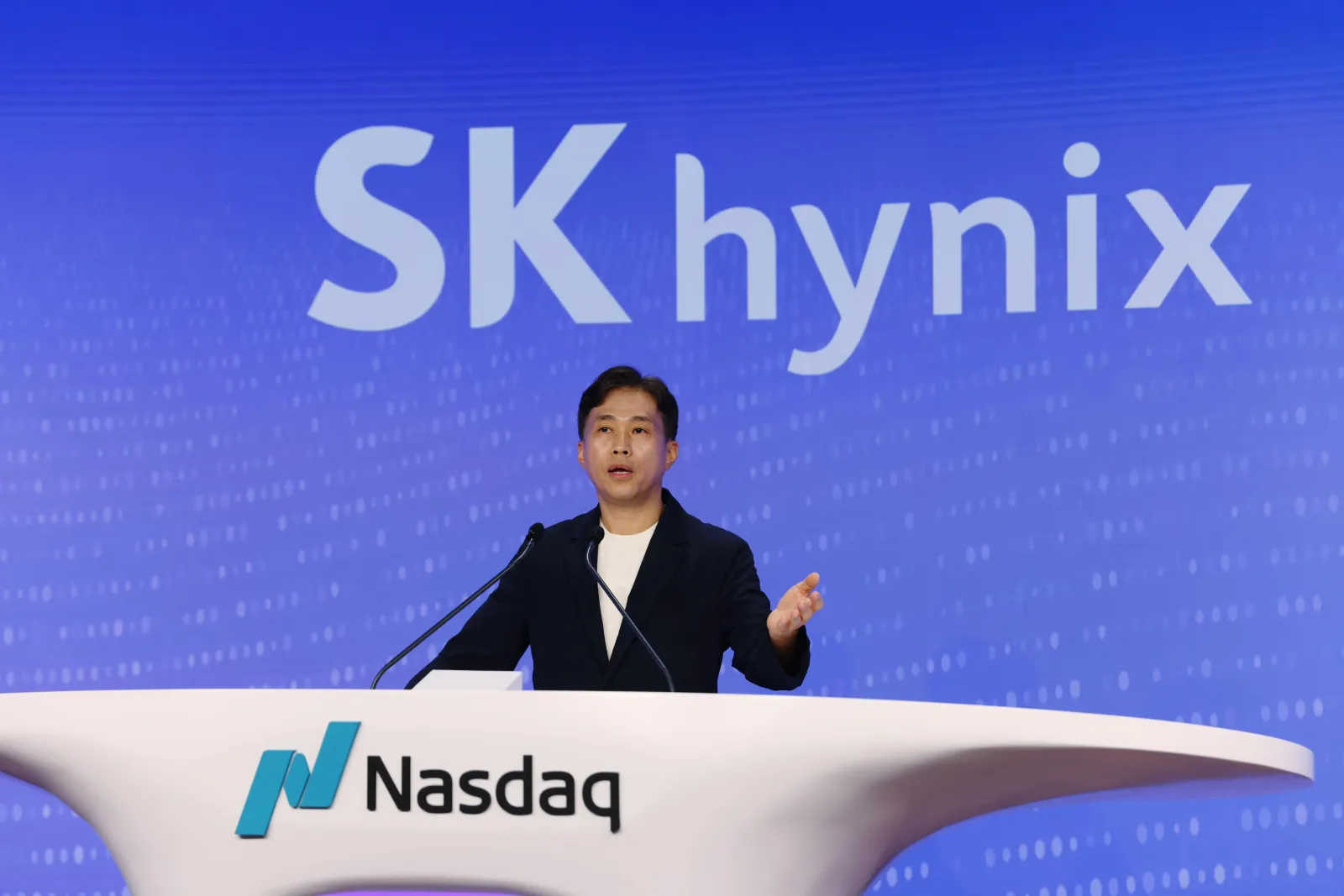
SK Hynix opens at $170, raises $26.5B, and tops foreign IPO records
In Friday's Wall Street debut, SK Hynix turns AI RAM demand into a $26.5B fundraising moment that rewrites comps.