

Indian voter-list revisions flare passport dispute, exposing citizenship proof gaps and wrongful exclusion risks
A renewed passport controversy highlights how India verifies citizenship, and why voter-list updates could wrongly erase eligible voters.

A passport controversy in India has reignited debate over what an Indian passport actually proves when citizenship is challenged. The renewed scrutiny comes as voter-list revisions expose systemic gaps, raising fears of wrongful exclusion.
A passport controversy in India has reignited debate over what citizenship is supposed to prove, and voter-list revisions are now putting the weak spots on display. The dispute is not just paperwork theater. It connects directly to who gets to vote, who gets recognized as a citizen, and how easily administrative systems can misclassify people.
At the center of the renewed concern is the gap between documents and proof. As voter-list revisions roll through the system, the revisions are revealing systemic gaps, which in turn raise fears of wrongful exclusion. In other words: if the process for updating voter eligibility relies on citizenship proof that is either incomplete or inconsistently applied, then the consequences are immediate and political. People who should be included may be left off, and those who are excluded may struggle to prove they were always citizens.
This is why a passport dispute matters beyond the individuals caught in it. In most democracies, the chain of legitimacy runs from legal citizenship to administrative recognition to electoral participation. When the link in that chain is contested, institutions can look brittle, and trust can erode. For decision-makers watching from within government, civil society, or the broader compliance ecosystem, the issue becomes a question of process design: what counts as proof, how that proof is verified, and how exceptions and appeals work when records are imperfect.
India’s citizenship and voter-registration frameworks are often discussed as administrative systems, but they function like risk systems. They must handle edge cases: families separated by migration, records that were never fully digitized, name spellings that diverge across documents, and circumstances where documents exist but do not align neatly with other databases. When those frictions meet a high-stakes outcome like election eligibility, even a small error rate can create real-world injustice. The renewed debate suggests that officials and observers are now focused on whether the system’s assumptions about document validity are still holding up.
A passport can be a strong identifier, but the controversy signals that documents can be treated as proof in ways that may not match the intended legal meaning of citizenship. That distinction matters because a passport is typically a travel and identity credential, while citizenship is a legal status with specific evidentiary requirements. If voter-list revisions treat a passport as decisive without properly reconciling it with other citizenship evidence, the process becomes vulnerable to exclusion errors. And if the standards are applied unevenly across regions or administrative units, the problem can become systemic rather than isolated.
The second-order implication for executives and boards is about governance and operational controls. Even though this story is about citizenship proof and voter lists, it is also a case study in how institutions manage identity at scale. When a system depends on records that can be incomplete or contested, the organization running it needs clear verification rules, auditability, and meaningful recourse. Otherwise, the system can generate outcomes that are difficult to reverse later. In public-facing institutions, that is a reputational risk. In private-sector ecosystems that handle identity or compliance adjacent to government systems, it is also a trust and partnership risk, because operational uncertainty makes stakeholders more cautious.
There is also a broader strategic stake for anyone involved in policy, elections, or compliance services: once citizenship proof becomes the battleground, every update cycle can become contentious. Voter-list revisions are not a one-time event. They are repeated processes, and each iteration can either close gaps or reveal new ones. The fear of wrongful exclusion makes the stakes immediate, but it also makes the long-term challenge harder, because it invites ongoing scrutiny of whether the system treats citizens consistently.
For peers in decision-making roles, the message is clear: proof standards must be defensible in both legal and operational terms. When citizenship proof is ambiguous and administrative revisions expose gaps, the cost is not abstract. It shows up at the ballot box, in exclusion claims, and in diminished confidence that the system is fair. The passport controversy is a reminder that identity verification is only as strong as the rules, data, and procedures behind it.
This story's Key Insights and Take-aways are locked.
Create a free account to unlock Executive Actions for one credit.
Register to UnlockAlways free for Executives Club members. Join the Club
More in Politics
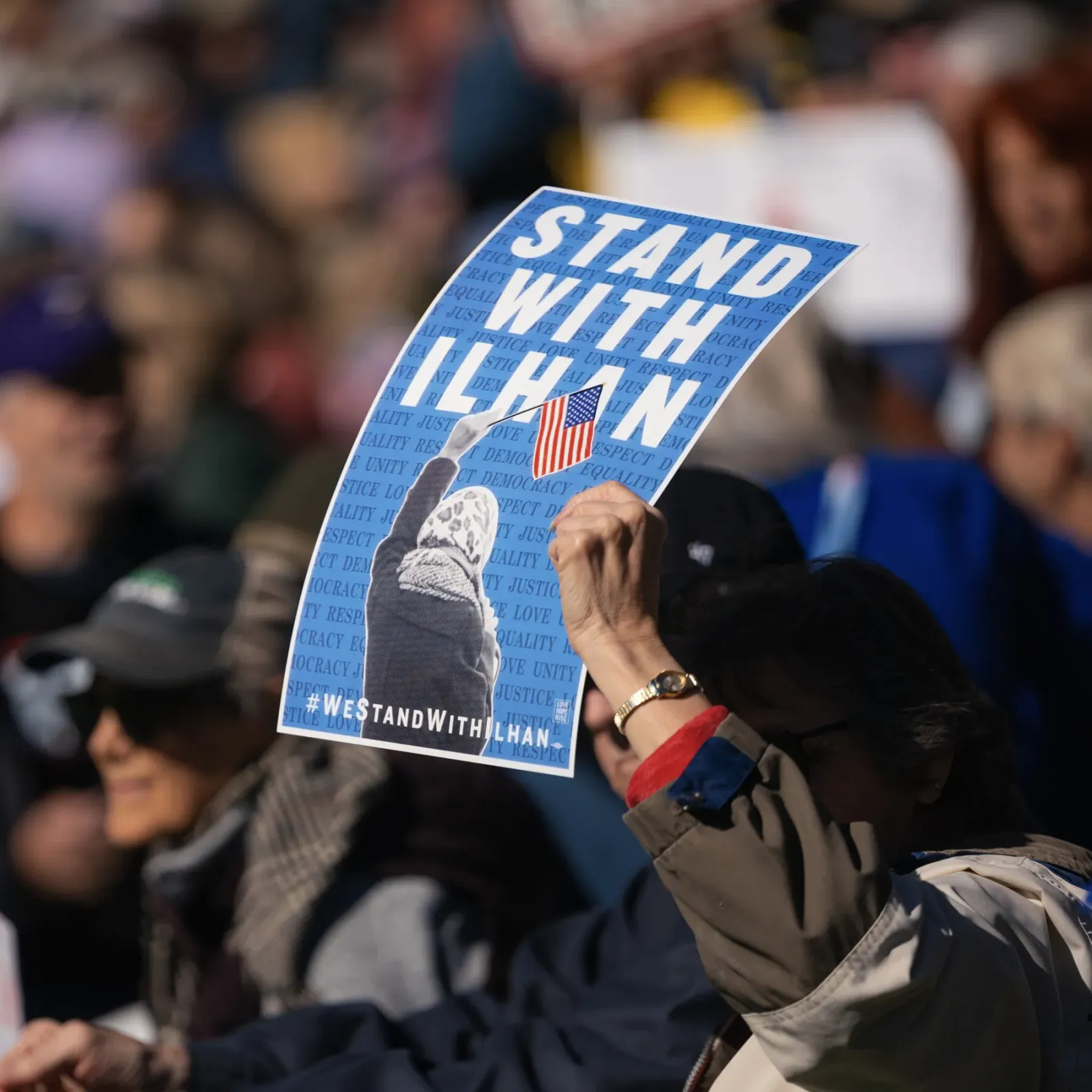
Obama Defends Ilhan Omar After Agents Search Her Home in Trump Inquiry
The former president's intervention raises the stakes in a federal probe into immigration paperwork that has put a prominent progressive lawmaker in the crosshairs.

Blair-era minister: cut welfare to fund youth job support
Alan Milburn's call for welfare cuts to fund employment support opens a Labour fight over benefits and the Neet crisis.
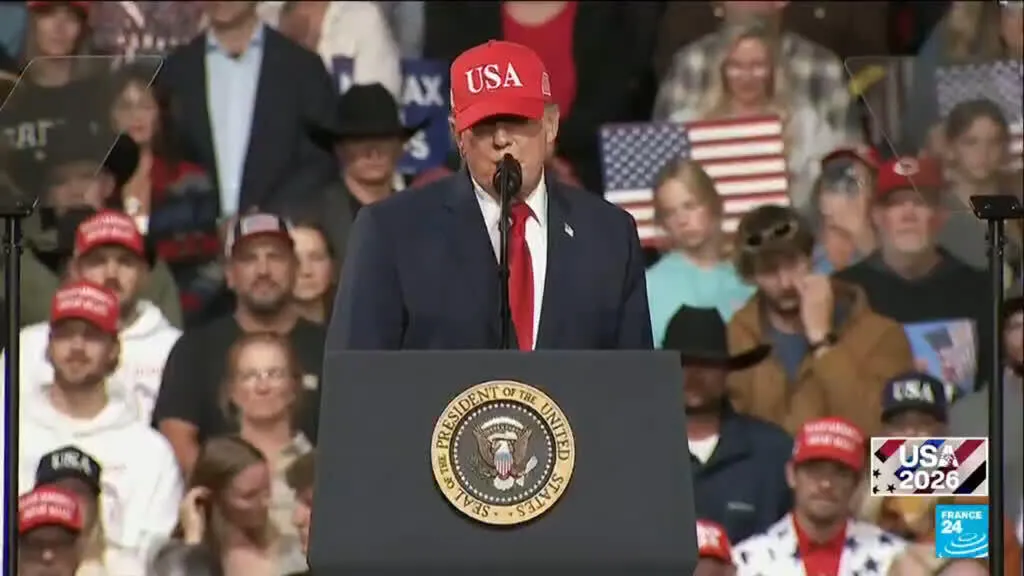
Hot September CPI: energy costs surge, voters feel the squeeze before midterms
The latest inflation print lands as Trump campaigns for GOP control of Congress, putting cost-of-living worries at the center of the midterm fight.