
Indonesia’s coal promised reliability, yet blackouts keep hitting Prabowo’s power agenda
Coal-rich Indonesia is struggling to keep the lights on, turning energy policy into a political and financial test.
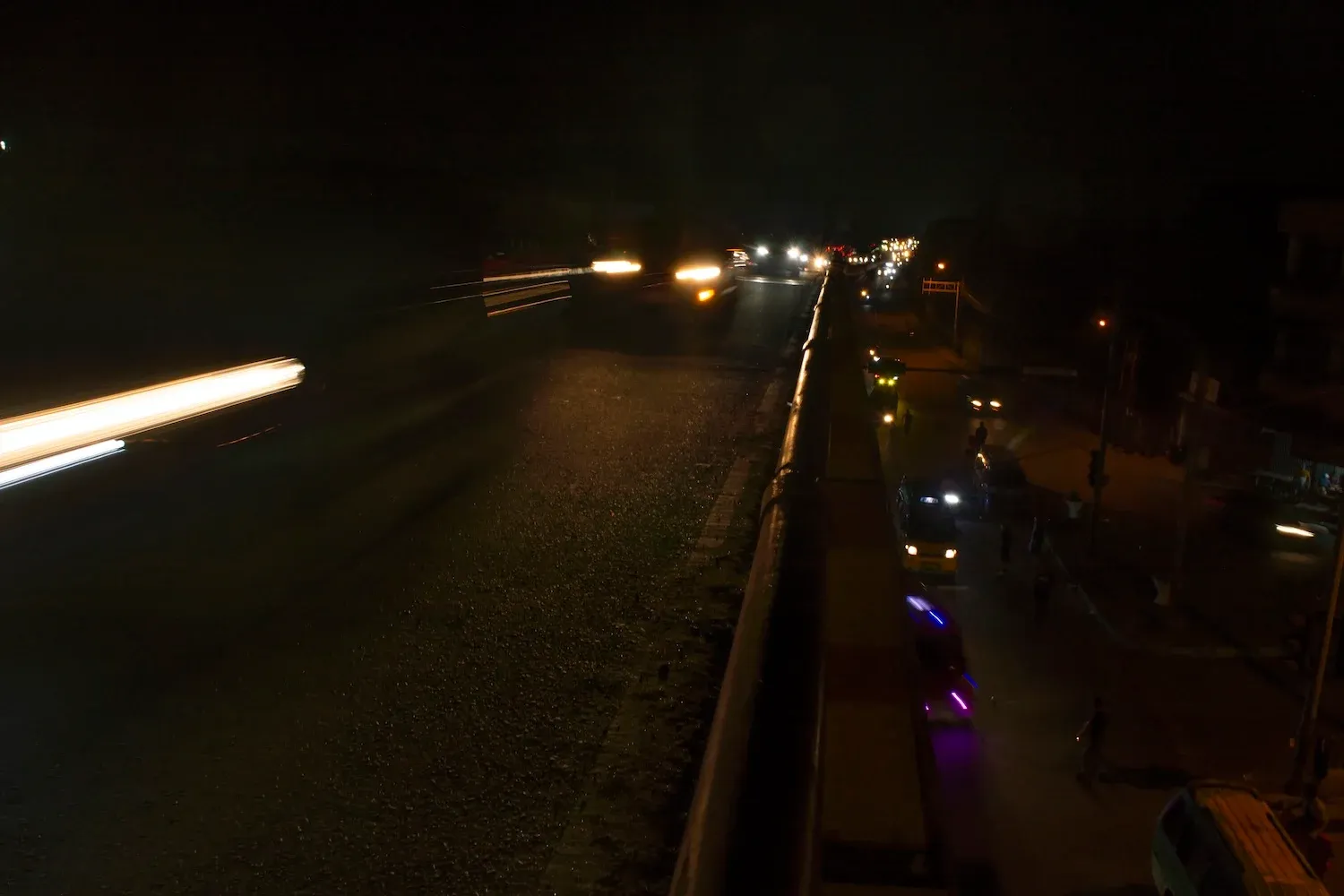
Indonesia, despite being coal-rich, is experiencing blackouts that have become the latest problem in Prabowo’s power agenda. For decision-makers, the issue is less about fuel supply and more about how the grid, regulation, and incentives actually deliver reliability.
Indonesia has coal. Lots of it. And yet blackouts keep showing up as a lived reality, not a distant risk. In Foreign Policy’s framing, the country’s latest electricity headaches land squarely on Prabowo’s growing pile of problems, because power reliability is one of those issues that quickly becomes everyone’s issue. You can’t run a business, a hospital, a school, or a refinery on “eventually” and “sometime soon.”
So why can’t coal-rich Indonesia keep the lights on? The headline question matters because it exposes a common trap in energy: assuming that having the resource automatically solves the energy system. But the system is bigger than coal mines. Electricity has to be generated reliably, transmitted safely, and bought and sold under rules that make investment worthwhile. When any one link fails, the end user experiences the failure as a blackout, and the political consequences hit the top of the policy stack.
To understand why coal does not equal continuity, it helps to zoom out on how grid reliability typically works. Coal plants are only one part of a power network. The grid needs enough capacity, but also the right mix of generation that can respond when demand changes. It needs transmission and distribution that can move electricity where it is needed, when it is needed. And it needs operational discipline, including maintenance schedules, fuel logistics, and grid management that prevents small problems from cascading into outages.
Indonesia’s case is also a reminder that power is a regulated market in many countries, and regulation shapes who invests, when they invest, and whether they invest in the most reliable option. Even when countries have abundant domestic coal, electricity producers still face real-world constraints: power plants must meet performance standards, contracts must support financing, and payment mechanisms must reduce the risk of stranded or underutilized assets. If investment is delayed or misaligned with demand growth, reliability degrades. If the incentives are off, “coal on paper” will not translate into dependable electricity on the ground.
There is also a capital angle hidden inside the basic question. Keeping the lights on means spending money that shows up now, while reliability is judged by customers later. Board members and executives in power, utilities, industrial energy users, and lenders care about the same thing: will the cash flows be stable enough to fund upgrades, fuel supply continuity, and grid expansion without political whiplash? When blackouts become frequent, it usually implies that the system is stretched, not that it lacks coal alone. Stretched grids and aging infrastructure tend to generate a feedback loop: outages can reduce confidence, push regulators toward emergency interventions, and complicate long-term planning.
That is why this story matters beyond Indonesia as a case study in how energy policy collides with execution. Coal-rich countries can still underperform on reliability if procurement rules, contract structures, and grid investment do not keep up with the pace of demand and system stress. For Prabowo specifically, the political weight is straightforward. Power reliability is the kind of issue that voters experience directly. And it also becomes a constraint on industrial strategy. If businesses cannot trust the grid, they either slow down, relocate, or pay for their own backup power. That increases costs across the economy, even if fuel is cheap.
For other executives watching from similar policy-heavy environments, the second-order implication is uncomfortable but useful. You can have the commodity advantage and still fail the service promise. Boards should read blackout cycles as an organizational signal, not just a technical incident. They are often an indicator that the incentives and investments in generation, transmission, and distribution are not aligned with the reliability targets that the public expects.
Foreign Policy’s headline question, “Why can’t coal-rich Indonesia keep the lights on?” is simple. But the operational answer is systemic. Coal is input. Electricity reliability is output. If you want output, you have to build the links that turn input into dependable power: regulation that supports investment, contracts that reduce risk, grid infrastructure that can carry demand, and management that prevents cascading failures. In Prabowo’s case, blackouts are not a niche technical worry. They are a top-line test of how well power policy can survive contact with reality.
This story's Key Insights and Take-aways are locked.
Create a free account to unlock Executive Actions for one credit.
Register to UnlockAlways free for Executives Club members. Join the Club
More in Politics
Obama Defends Ilhan Omar After Agents Search Her Home in Trump Inquiry
The former president's intervention raises the stakes in a federal probe into immigration paperwork that has put a prominent progressive lawmaker in the crosshairs.

Blair-era minister: cut welfare to fund youth job support
Alan Milburn's call for welfare cuts to fund employment support opens a Labour fight over benefits and the Neet crisis.

Hot September CPI: energy costs surge, voters feel the squeeze before midterms
The latest inflation print lands as Trump campaigns for GOP control of Congress, putting cost-of-living worries at the center of the midterm fight.