

Intel's $2.3bn Classiq purchase shows quantum's software is the real prize
Intel is buying Israeli quantum software startup Classiq for roughly $2.3bn. The deal puts a price on the layer that makes quantum computers usable.

Intel has agreed to acquire Classiq, an Israeli quantum software startup, in a deal worth about $2.3bn, according to Bloomberg. The acquisition underscores how chipmakers are racing to control the software that translates business problems into quantum programs.
Intel is buying Classiq, an Israeli startup that builds software for programming quantum computers, in a deal worth about $2.3bn, according to Bloomberg. The chipmaker announced the agreement on Monday but declined to disclose the price, and it declined to comment on Bloomberg's figure. For a company whose name has long been synonymous with silicon, the deal is a loud signal that the future of computing is being decided above the chip layer.
Classiq's software is a bridge. Quantum computers work on qubits, which can handle certain problems that classical machines cannot easily solve. But translating those problems into instructions for quantum hardware is notoriously difficult. Classiq's platform is designed to do that translation work, and that is the capability Intel is paying billions for. For anyone following the quantum race, the deal answers a question: how much is the software layer worth before the hardware is even mainstream? Roughly $2.3bn, apparently.
The deal was first reported by Bloomberg, which cited people familiar with the matter. Intel chose not to confirm the price, a common approach for a company that keeps its checkbook private. The reported figure places Classiq among the bigger quantum software exits to date, and it signals that acquirers are willing to pay steep multiples for a startup that has not yet proven a large commercial market. The acquired company is based in Israel, where a dense ecosystem of quantum researchers and startups has emerged over the past decade.
For Intel, the move is a bet on a longer arc. Intel's core business is manufacturing classical microprocessors, but quantum computing is often described as the next major computing paradigm. Several hardware approaches are still in the running, including superconducting qubits, trapped ions, and neutral atoms. Classiq does not make the hardware. It makes the tools that let developers write quantum algorithms at a higher level, without having to manage the physical quirks of qubits themselves. That is the layer that could determine whether quantum machines are usable by ordinary enterprises or remain locked in research labs.
The acquisition also highlights the growing divide between the hardware and software layers of quantum. Just as classical computing saw an enterprise software boom decades ago, quantum is now seeing startups build the middleware and tooling that businesses will eventually need. For context, major cloud providers such as Amazon, Microsoft, and Google already offer quantum services through their cloud platforms. Intel's purchase suggests it wants to own that layer too, rather than cede it to the cloud giants that have made themselves the default entry point for enterprise access to quantum hardware.
For Intel, there is also a defensive element. Quantum could eventually take over certain workloads that classical computers handle today. By owning Classiq, Intel gains a team that is already building the software layer and, just as importantly, a credible story to tell enterprise customers and investors. The deal positions Intel as a full-stack player in quantum, not just a chip supplier, and it puts pressure on competitors to answer in kind or risk falling behind in the race to define how quantum software is written.
For other semiconductor makers and technology companies, the deal is a reminder that quantum M&A is heating up. Valuing a startup with no widely known revenue is difficult, but the $2.3bn figure shows that buyers are willing to pay for talent and intellectual property even before the market matures. It also forces rivals to consider their own moves, because control over the software layer could determine which quantum systems enterprise developers choose to write against.
The bottom line: Intel is paying a substantial premium to get ahead in a technology that is still years away from mass adoption. That is the nature of a race that is as much about positioning as it is about products. For CEOs and boards watching from the sidelines, the lesson is simple: in nascent technologies, the software that makes hardware usable is becoming the most valuable piece of the stack. Intel's checkbook just wrote that thesis into the public record.
This story's Key Insights and Take-aways are locked.
Create a free account to unlock Executive Actions for one credit.
Register to UnlockAlways free for Executives Club members. Join the Club
More in Technology

Anthropic and OpenAI Say a Key Computer Science Rule Is Dead
The labs' claim could invalidate decades of research - and leave the field feeling like 'overexcited bunnies' chasing new questions.

Attackers hit 61 GitHub repos in 43 minutes to steal CI/CD secrets
Radware researchers found a coordinated campaign using hidden HTML comments in issues to trigger vulnerable workflows and exfiltrate credentials.
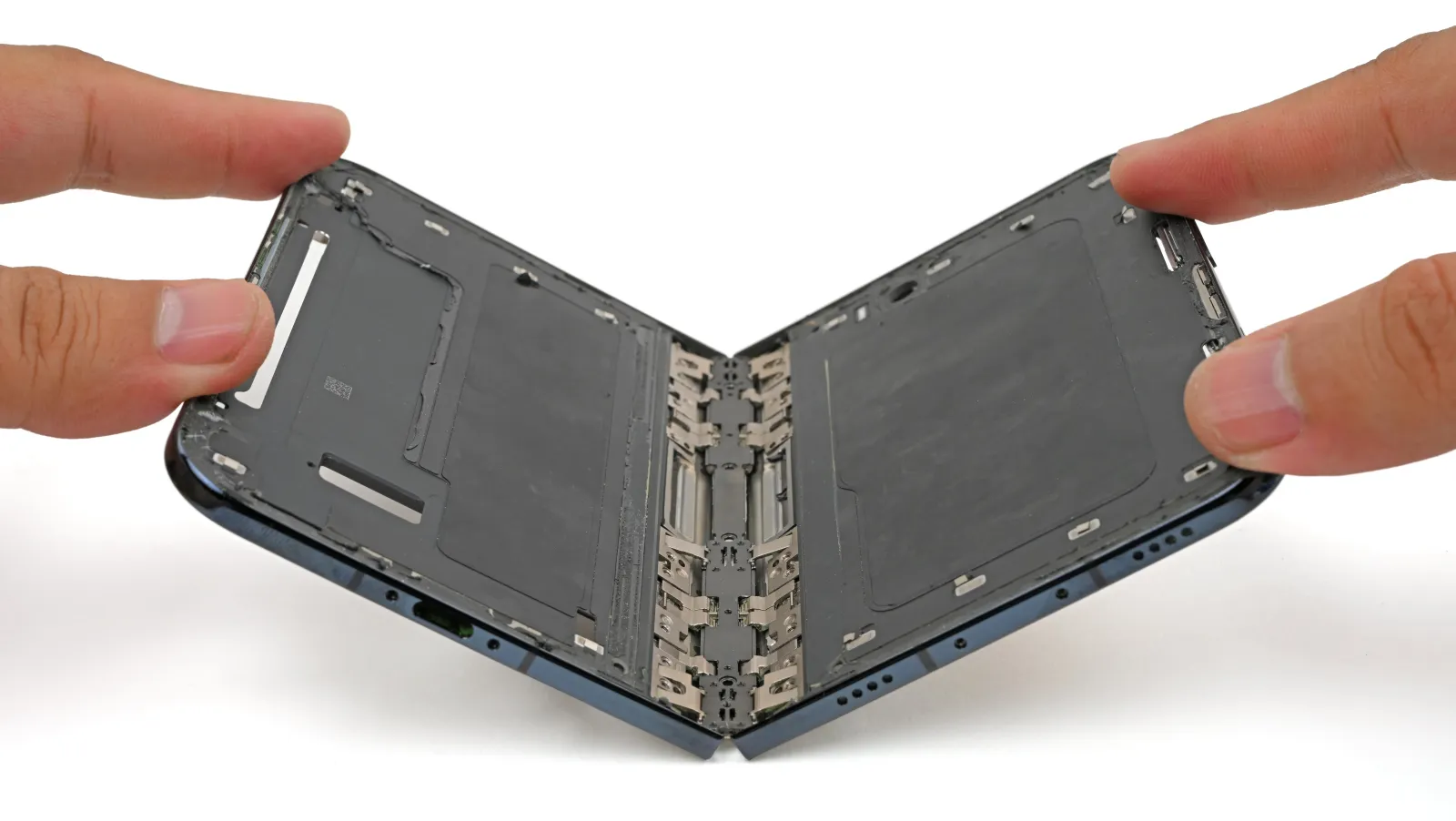
iPhone Duo screens crack above hinge - Apple confirms issue, iFixit tears it down
Within hours of launch, new foldables broke at the crease. Apple is replacing units, and teardown expert Shahram Mokhtari is inside the hinge.