

Interpol’s Paul Banks calls ‘This Mirror Weighs A Ton’ a no-skip “reckoning”
Fatherhood, a stronger five-piece chemistry, and a Massiv Attack-flavored title track aim to turn post-parenthood into momentum.
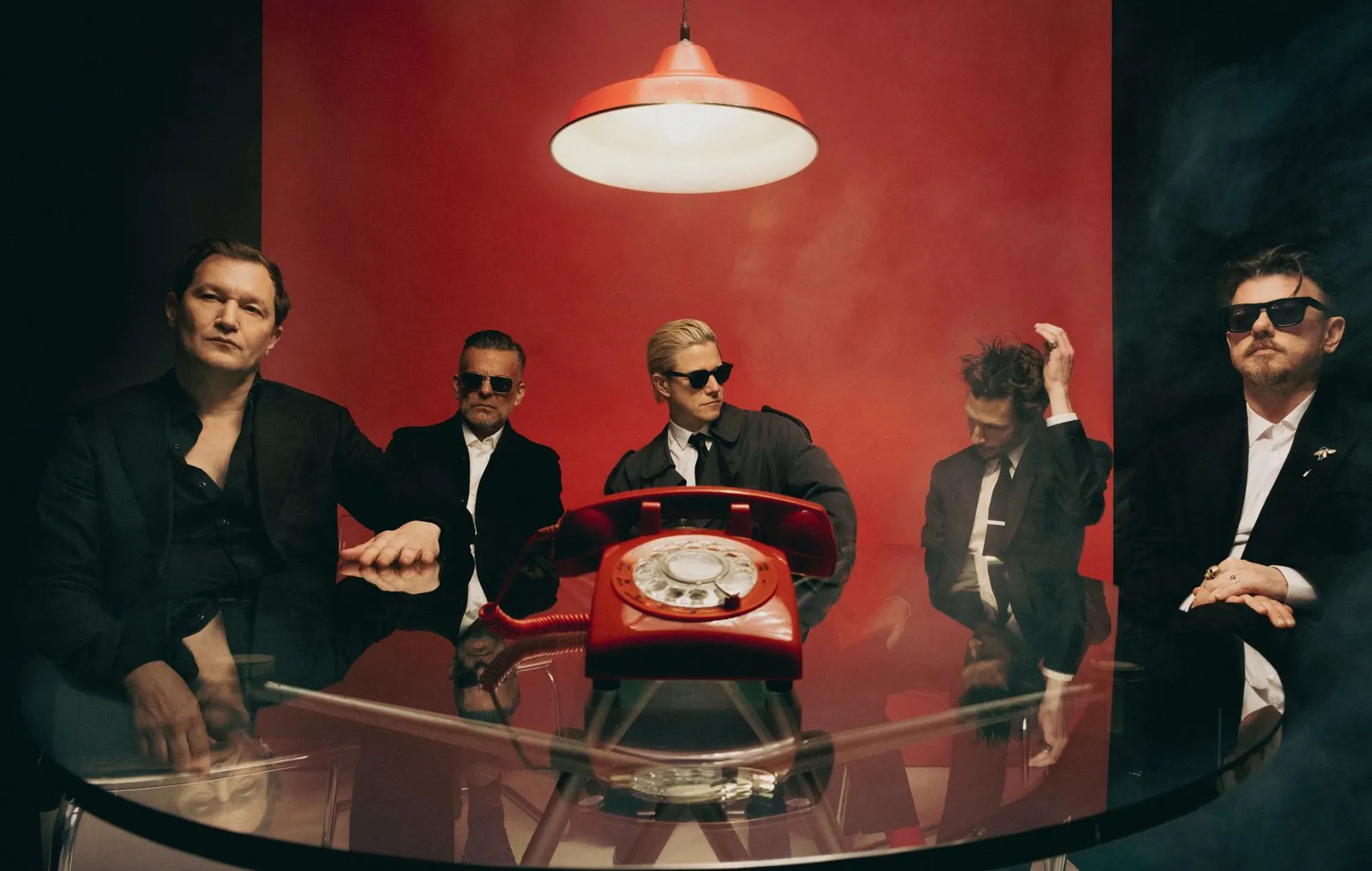
Interpol, via frontman Paul Banks, is rolling out ‘This Mirror Weighs A Ton’ with the Massive Attack-inspired title track and ‘See Out Loud’ ahead of its Friday August 28 release. For decision-makers and brand builders, the album’s “no-skip” framing shows how lineup stability and creative discipline can translate into clearer audience pull.
Interpol just framed their ninth album like an internal audit, and the person doing the talking is Paul Banks. In an interview with NME, Banks says ‘This Mirror Weighs A Ton’ is “really a no-skip record” and that he wanted to “make this one count” after becoming a father and spending more time refining the band’s chemistry. That claim is not just marketing flourish. Banks ties the record’s core themes, even the title, to reflection and “honest assessments,” making the album feel less like another entry in the Interpol catalog and more like a deliberate reset.
Banks also puts specifics behind the vibe. The album arrives on Friday August 28, and it follows 2022’s ‘The Other Side Of Make-Believe.’ Produced by Andrew Wyatt (ROSALÍA, Charli XCX) and mixed by Dave Fridmann (Sleater-Kinney, MGMT), the project leans into a “strings, woodwinds, layered vocal harmonies, acoustic guitar and experimental sound design” approach while keeping Interpol’s atmosphere and inescapable rhythms. In other words: this is still an Interpol record, but Banks and the team are signaling they built it to travel better from track to track, not just land one big single.
The lead rollout is doing real work. Interpol released the Massive Attack-inspired title track, and NME also points to ‘See Out Loud’ as a punchy preview single. Banks describes ‘This Mirror Weighs A Ton’ as a record built to strive toward “elation and... enlightenment and clarity,” with “a lot of taking stock and honest assessments.” That lyrical stance matters because Interpol is a band that traditionally thrives on tension, restraint, and momentum. When Banks says the record became “important” and that fatherhood made him write “a little harder,” he’s describing a creative incentive shift: less casual iteration, more accountability.
And the music itself reflects that shift, especially on the bass-forward title track. Banks calls out a “different type of bass sound” and directly credits bassist Brad Traux, saying, “It just felt good. “There’s a really precious simplicity to it.” He also explains why the title track matters in a specific way: it became the titular track because of the lyric’s fit with the album themes. Banks compares this to how Interpol previously turned a lyric into a title on their 2002 debut ‘Turn On The Bright Lights.’ The important point here for anyone thinking about audience attention: Interpol is using the title as an organizing principle, not a decorative label.
If the title track is about sonic atmosphere and reflection, ‘See Out Loud’ is where Interpol lean into classic instincts. Banks says it feels “quite ‘classic Interpol’” and highlights a “classic Interpol bassline.” He also calls it a song the band worked on for a long time. Lyrically, Banks points to a specific line, “Say something magical, save something for me,” framing it as striving for elation and the revelation that can come from the abandon that nightlife can sometimes bring. He describes how the surface can read like “at the clerb” or “some place at 5am with neon clouds,” while the interpretation runs deeper. That layered approach is a strategic move: it gives listeners a hook for the first listen and a reason to revisit.
‘See Out Loud’ is also a lineup story. While Banks takes the lead, guitarist Daniel Kessler provides a rare vocal over a synthy interlude. Banks notes this is only the third time Kessler has sung on a track, after ‘PDA’ (2002) and an early version of the fan favorite B-side ‘Song Seven.’ Banks says he tried to get Dan to sing on the last record too but couldn’t make it feel necessary. Here, he calls it “a lot of fun,” adding that Kessler has “an interesting character to” his voice, plus “his own lineage,” and that the result is a “nice counterbalance” to Banks. In plain terms: the band’s chemistry is no longer just a concept. It’s baked into song structure decisions.
Another chemistry lever is the expanded identity of Interpol as a five-piece, at least in how they sound and how they present themselves live. The press shots for the album include Brad Truax (live bassist) and keyboardist Brandon Curtis (also of The Secret Machines). Banks explains that Brad Truax is on the record because he “wrote and recorded the basslines,” which he frames as “a pretty new thing” because Banks retired from bass after the departure of Carlos D in 2011. Brandon Curtis is not on the record, but Banks says the producer Andrew Wyatt played keys and synths on it, so “what you’re hearing” is still a five-piece feel even if it’s Andrew on the record. Banks also makes the live-versus-press distinction explicit: he “doesn’t like” seeing show photos that do not reflect the two guys “in the trenches” with the band. That’s a branding and trust point. Fans and press are building a mental model of who Interpol is; Banks wants that model to match reality.
Banks ties much of this album logic back to personal change. He tells NME that he moved to Berlin and that the record was written in New York, with lyric-writing and refining happening in Berlin. He describes Berlin as offering “an urban injection” and a “cultural hub” for fashion and young people, while New York City provides a “pressure cooker quality.” Then he goes straight into fatherhood. Banks says becoming a father happened at “a really good time” and that he became a “relatively old dad” at 48. His priorities shifted to “healthy and happy” children, and he frames the creative tradeoff as both lighter and stricter: music can feel less important compared to family, but it also becomes more serious because if he’s away, he has to “make it really worthwhile.” He even connects that to interpersonal maturity in the band, saying he doesn’t want petty gripes weighing him down and that he realized what that would mean for his children.
For executives, founders, and investors who track how culture turns into staying power, there’s a second-order lesson buried here. Interpol is treating the album like a governance problem solved through clarity: lineup stability (five-piece chemistry), tighter role definition (Traux on basslines), and disciplined creative structure (killer outros, letting songs “be what they wanted to be”). That combination is how a band protects attention in a world of short-lived noise. And it’s how an established name avoids the trap of relying on nostalgia alone. Banks ends up presenting ‘This Mirror Weighs A Ton’ as a record built for sustained listen value, not just a one-off spike. In short: they’re selling a “no-skip record,” but they’re also proving why the band can still evolve without losing its core identity.
This story's Key Insights and Take-aways are locked.
Create a free account to unlock Executive Actions for one credit.
Register to UnlockAlways free for Executives Club members. Join the Club
More in Entertainment

Entertainer Russell Brand denies 7 sex charges amid accuser's 'couldn't breathe' claim
The alleged victim's account sharpens the reputational and legal stakes for Brand, his platforms, and any business tied to a public figure under criminal scrutiny.

Russell Brand's accuser 'bewildered and confused' as he denies 7 sex charges
The criminal case against the comedian is a live test of how media companies manage talent risk when serious allegations go public.

'It's a Magic Trick': Ballet Experts Say Rosalía's SNL Pose Is Impossible
Three ballet experts tell Rolling Stone Rosalía's gravity-defying SNL stillness shouldn't be possible - and why the debate is now part of the show.