
Investors see a SpaceX effect as Open Cosmos raises $346M
The European satellite maker's mega-round is the latest signal that private capital is flooding into orbit, and it could reshape the space economy.

Open Cosmos, a European satellite maker, has raised $346 million, part of a wave of recent funding deals in the space sector. The influx of capital, which some investors attribute to a 'SpaceX effect,' signals that private markets are betting big on the commercialization of orbit.
Open Cosmos, a European satellite maker, has raised $346 million, the latest and one of the largest signs that private money is flooding into the space sector. The deal is part of a wave of recent funding rounds that some investors see as a 'SpaceX effect' - the phenomenon in which Elon Musk's rocket company has dramatically lowered the cost of reaching orbit, opening the door for a new generation of satellite businesses. For Open Cosmos, the fresh capital is a major validation. The company, which builds small satellites for a range of missions, is now positioned to scale up production and compete more aggressively in a market that was once the exclusive domain of governments and aerospace giants. The $346 million figure is not just a number; it is a signal that investors believe the space economy is moving from experimental to commercial. The broader context is a sector in transformation. Historically, space was dominated by national agencies and a handful of defense contractors with deep pockets and decades of experience. But over the past decade, the cost of launching a satellite has plummeted, thanks largely to SpaceX's reusable rockets. At the same time, advances in miniaturized electronics have made it possible to pack powerful sensors and communications gear into satellites the size of a washing machine, or even smaller. That combination has created a wave of investment. According to the New York Times, Open Cosmos's round is part of a recent surge of funding deals across the space sector. While the article does not name every company, the trend is clear: venture capital and private equity are pouring billions into startups that build rockets, satellites, and the services that use them, from Earth observation to global internet coverage. The 'SpaceX effect' is more than just a catchy phrase. It reflects a fundamental shift in the economics of space. When launch costs were high, only governments and large corporations could afford to put anything into orbit. Now, with prices falling, a startup can raise a few hundred million dollars and deploy a constellation of satellites that would have been unthinkable a decade ago. That has attracted investors who are looking for the next big platform, much as they did with the internet in the 1990s. The wave is not limited to the United States. European startups like Open Cosmos are also drawing significant capital, a sign that the space race has become truly global. Governments across Europe have been pushing to build independent space capabilities, and private investors are increasingly willing to back companies that align with those strategic goals. For Open Cosmos, the new funding could help it win contracts from European institutions and commercial customers alike, strengthening the region's position in a sector long dominated by American players. But the space sector is not without risks. Building and launching satellites is capital-intensive, and the timeline from design to revenue can stretch for years. Regulatory approval, orbital debris, and the risk of launch failure are all real concerns. Investors are betting that the demand for space-based data and connectivity will grow fast enough to justify the upfront costs. The wave of funding suggests that, for now, the optimists are in the majority. For executives and boards outside the space industry, the implications are worth watching. The same technology that is driving satellite investment is also creating new competitors for terrestrial businesses, from telecommunications to logistics to agriculture. Companies that rely on remote sensing or global connectivity may find new options, while those that ignore the space economy risk being disrupted by rivals who embrace it. Open Cosmos's $346 million round is a milestone, but it is also a reminder that the space race is no longer a government affair. Private capital is now the engine of the new space economy, and the companies that move quickly - whether they are building satellites or using them - will be the ones that capture the value. For decision-makers, the question is not whether space will matter, but how soon.
This story's Key Insights and Take-aways are locked.
Create a free account to unlock Executive Actions for one credit.
Register to UnlockAlways free for Executives Club members. Join the Club
More in Business

Apple unveils first foldable iPhone Duo with 7.6-inch display under new CEO Ternus
Apple's first foldable, the iPhone Duo, marks a major product bet for new CEO John Ternus, with a 7.6-inch unfolded screen.
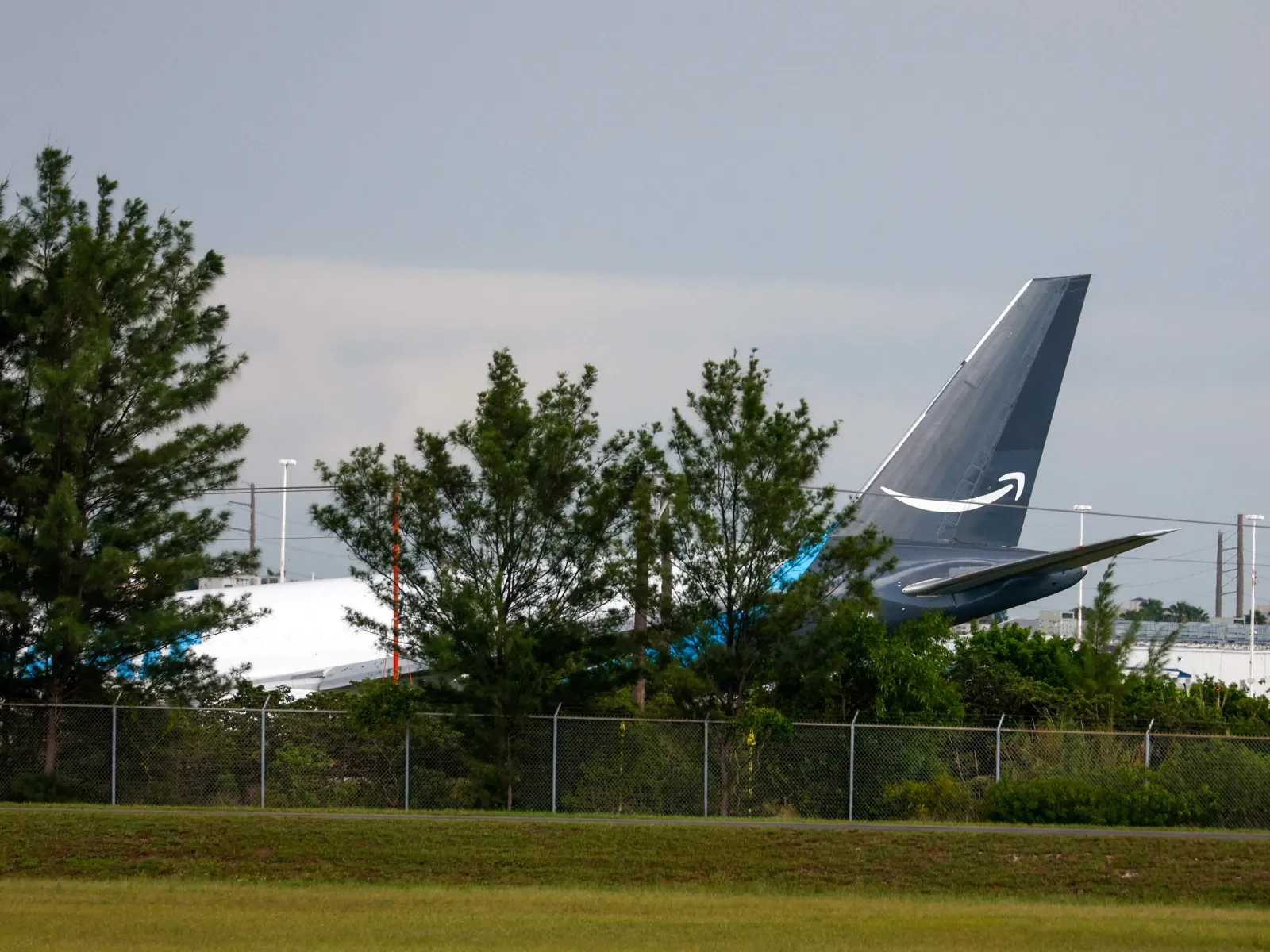
Amazon Prime Air 767 overshoots Miami runway, killing at least 5
The Boeing 767 freighter from San Juan struck vehicles and erupted in flames, prompting a ground stop and a fresh NTSB investigation into Amazon's air cargo network.
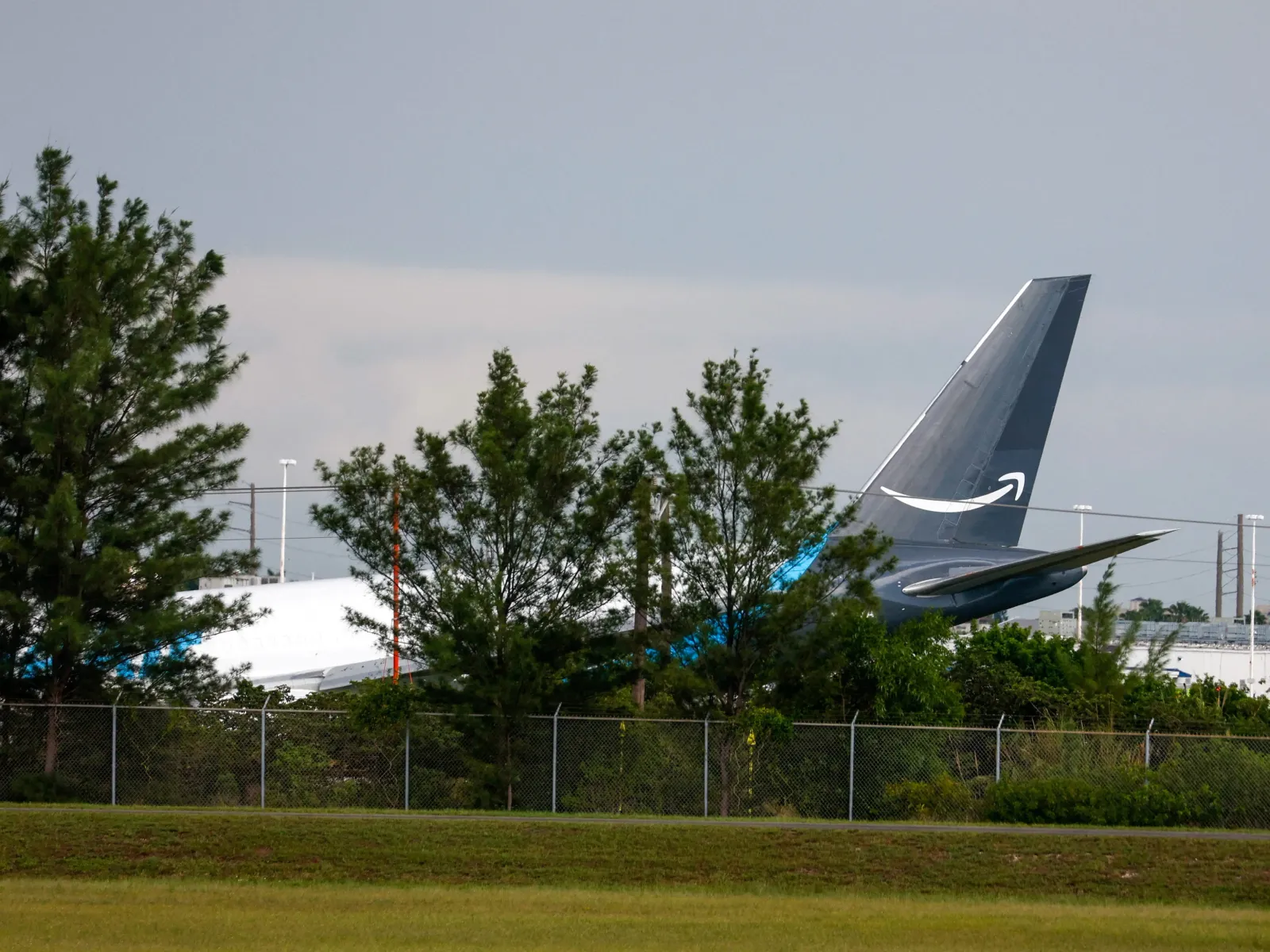
Amazon Prime Air 767 overshoots Miami runway, strikes vehicles, catches fire
The Boeing 767, operated by 21 Air, was arriving from San Juan when it overshot the runway, triggering a ground stop and multiple injuries.