

IO Interactive considered making 007 First Light an ensemble, then pivoted toward Bond
A behind-the-scenes design shift matters for how teams build budgets, brand expectations, and narrative risk.
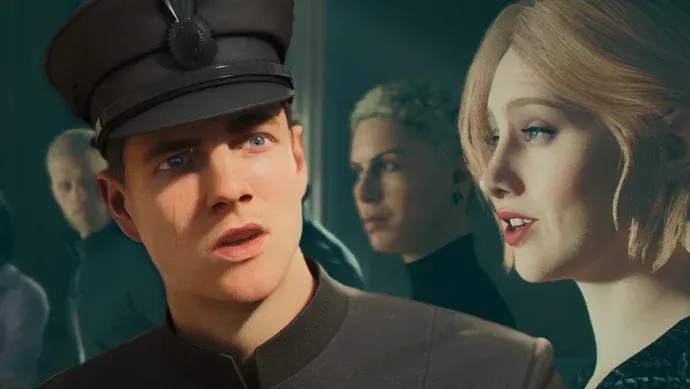
IO Interactive originally considered shaping 007 First Light as more of an ensemble piece rather than centering solely on James Bond. That choice has consequences for decision-makers thinking about creative scope, staffing, and the financial risk of audience expectations.
IO Interactive once considered making 007 First Light “more of an ensemble piece,” where James Bond would not be the only story engine. The idea, as described, was that the game would be less about Bond on his own and more about him working alongside “a team of agents.”
In plain English: the studio weighed a Mission Impossible-style setup, then ultimately moved toward a more Bond-forward framing. That matters because in a property as recognizable as 007, the default assumption from players and stakeholders is that you are buying into James Bond specifically, not an ensemble cast that shares screen time.
Design decisions like this sound creative, but they land hard in product planning. Ensemble-first structures typically change how a game is built: the number and variety of playable roles, the coordination between character abilities, and the amount of narrative plumbing required to make multiple agents feel equally consequential. When a studio pivots toward a single central character, it can concentrate development effort, reduce complexity, and make the brand promise easier to deliver. In entertainment budgeting, less distributed responsibility is often a practical advantage, even when the ensemble concept is creatively attractive.
There is also a broader industry context here. Modern blockbuster games often try to blend cinematic storytelling with systemic gameplay, but the team structure inside the game world can complicate that blend. If you sell the experience as “Bond plus agents,” you are implicitly selling a cast with different tactical roles, different moments of agency, and a reason for players to care about everyone. If you sell “Bond as the protagonist,” you can anchor pacing, progression, and player emotional payoff more consistently, because nearly every major beat can be tied back to the central character's arc.
For decision-makers, that is not just an art question. It is an operating model question. Teams that pursue ensemble designs often need stronger coordination across writers, quest designers, gameplay designers, and systems designers to ensure the different agents do not feel like side characters. The pivot toward a Bond-centric approach can reduce the interdependence required between those functions, which can make production smoother when timelines tighten or scope changes. Even when studios are not under external regulatory scrutiny for creative content, they are still under internal scrutiny: boards, investors, and publishing partners want clarity on what is being built, why it is being built, and what risks are being contained.
This is also where brand expectations become a sort of informal governance. When you work with an established franchise, marketing, merchandising, and community discussion tend to revolve around the iconic figure. A more ensemble approach may require more educational messaging and potentially more trust-building with an audience that expects a certain kind of Bond experience. That can create second-order effects for go-to-market strategy: trailers, demos, and key art may need to emphasize Bond even if the underlying design uses team mechanics heavily. Otherwise, you risk a mismatch between what players think they are buying and what the game delivers.
So the real takeaway is that IO Interactive's original thought process tells you how the studio manages narrative risk. The “ensemble piece” concept implies a broader cast and a more distributed gameplay and story experience. The final direction toward Bond-forward storytelling, at least in spirit, suggests a strategic choice to keep the franchise identity front and center.
For peers in similar roles at other studios, the lesson is simple but useful: when working with a heavyweight IP, the central character is not just a storytelling choice. It is a production constraint and a market signal. An ensemble pitch can be compelling, but a pivot toward a clearer protagonist focus can make the whole project easier to explain, easier to ship, and easier to defend to stakeholders. In the end, the question is not whether agents can make the mission better. It is whether your organization can afford the added complexity of making them matter as much as Bond.
This story's Key Insights and Take-aways are locked.
Create a free account to unlock Executive Actions for one credit.
Register to UnlockAlways free for Executives Club members. Join the Club
More in Entertainment

12TB Steam 'teraleak' goes beyond Valve: GTA 3, Mafia 2 prototypes exposed
A 12-terabyte dump of Steam data reveals prototypes and builds of third-party classics like GTA 3 and Mafia 2, plus unreleased Valve content, rewriting game history.

LinkedIn's romance problem: 1 in 4 workers say dating on it is fair game
A new survey shows a quarter of U.S. employees treat the professional network as fair game for romance, even as LinkedIn bans it and removes hundreds of thousands of offending posts.

Enhypen's first No. 1 album breaks K-pop's Billboard 200 streak
The K-pop group's 98,000-unit debut tops the chart while Dolly Parton's catalog reentry shows how death reshapes streaming.