

iPhone Handoff lets two phones share one number in iOS 27
Apple's new iOS 27 feature pairs a primary iPhone with a companion device, so you can leave the expensive one at home.
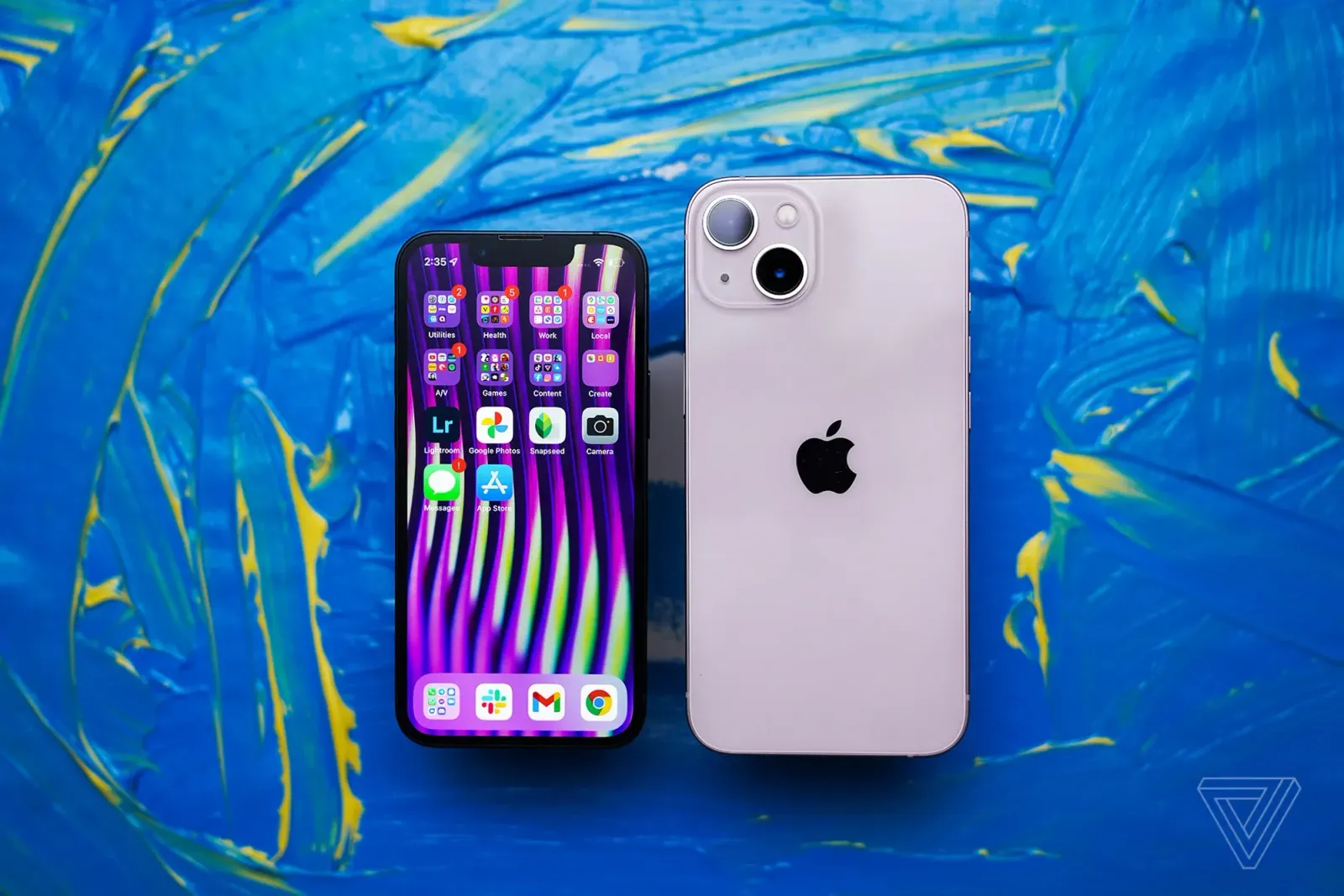
Apple's iOS 27 introduces iPhone Handoff, which pairs two iPhones to a single number, letting users leave their primary device behind. For frequent travelers and heavy phone users, it means seamless call and message continuity without carrying a second SIM.
Apple's upcoming iOS 27 update is bringing a quietly powerful feature called iPhone Handoff, and a new demo clip shows exactly how it works. The setup, running inside Xcode 27's Device Hub, lets you pair two iPhones together so both share the same number. One device is designated as your main phone, while the other acts as a companion. That means you can leave your primary iPhone at home, on your desk, or in your hotel room, and still receive calls and messages on a secondary device as if it were the same phone.
This feature was briefly teased during Apple's WWDC keynote back in June, but the company didn't offer any real details at the time. Now that the demo has surfaced, the picture is much clearer. Instead of juggling two SIM cards or forwarding calls manually, iPhone Handoff appears to handle the heavy lifting automatically. For anyone who carries both a work phone and a personal phone, or who owns a larger, more expensive iPhone and a smaller backup device, this could eliminate the need to carry both at all times.
The timing makes sense. Apple is widely expected to launch a foldable iPhone Ultra in the near future, and a device like that is likely to be big, heavy, and expensive. Not everyone will want to take it everywhere. With iPhone Handoff, you could keep the Ultra at home or in the office and use a lighter, cheaper companion iPhone when you're out and about. That's a practical solution for a device that might otherwise feel like a burden to carry daily.
From a technical standpoint, the feature simplifies the multi-device experience. Instead of managing separate numbers, data plans, and message threads, you get one unified identity across two physical devices. That has real implications for how people work and communicate. For business users, it means never missing a call or text because your primary phone is out of battery or left in another room. For travelers, it could mean leaving the expensive phone behind in a hotel safe while still staying fully connected on a secondary device.
The broader market impact could be significant. Carriers and mobile plans are built around the idea of one number per SIM, but features like this blur that line. If iPhone Handoff becomes a standard part of iOS, it could push carriers to rethink how they structure plans, especially for multi-device households and business accounts. It also puts pressure on competitors to offer similar seamless experiences, rather than forcing users to rely on workarounds like call forwarding or third-party apps.
For now, the feature is still in its early days, and Apple hasn't revealed every detail about how it handles activation, carrier support, or international roaming. But the direction is clear: Apple is making it easier to own multiple iPhones without the hassle of managing multiple numbers. That's a subtle shift, but one that could change how people think about their primary device.
As iOS 27 rolls out later this month, expect more hands-on testing and real-world reports. The foldable iPhone Ultra may still be a rumor, but iPhone Handoff is already here. And for anyone who has ever wished they could leave their phone behind, it might be the most useful feature you didn't know you needed.
This story's Key Insights and Take-aways are locked.
Create a free account to unlock Executive Actions for one credit.
Register to UnlockAlways free for Executives Club members. Join the Club
More in Technology

Google quietly links your phone number to every Android account on your SIM
Adding a SIM now ties your phone number to all Google accounts - and future accounts inherit it. Here's the security and privacy stakes.

Hijacker AI 'Skynet mode' runs 100,000 attack steps against exposed models
Symantec caught a criminal AI agent that borrows other models, steals data, and mines crypto; the only relief is no confirmed victims yet.

Nvidia's AI-financier shift faces its first big test as neoclouds stumble
A rout in neocloud stocks is forcing investors to weigh Nvidia's hidden exposure as both supplier and lender to the AI buildout.