

Iran ambassador Abolfazl Pasandideh calls World Cup VAR calls “pseudo-VAR” after exit
His post-match statement pins Iran's elimination on disputed video review rulings, then frames the team as a national symbol.
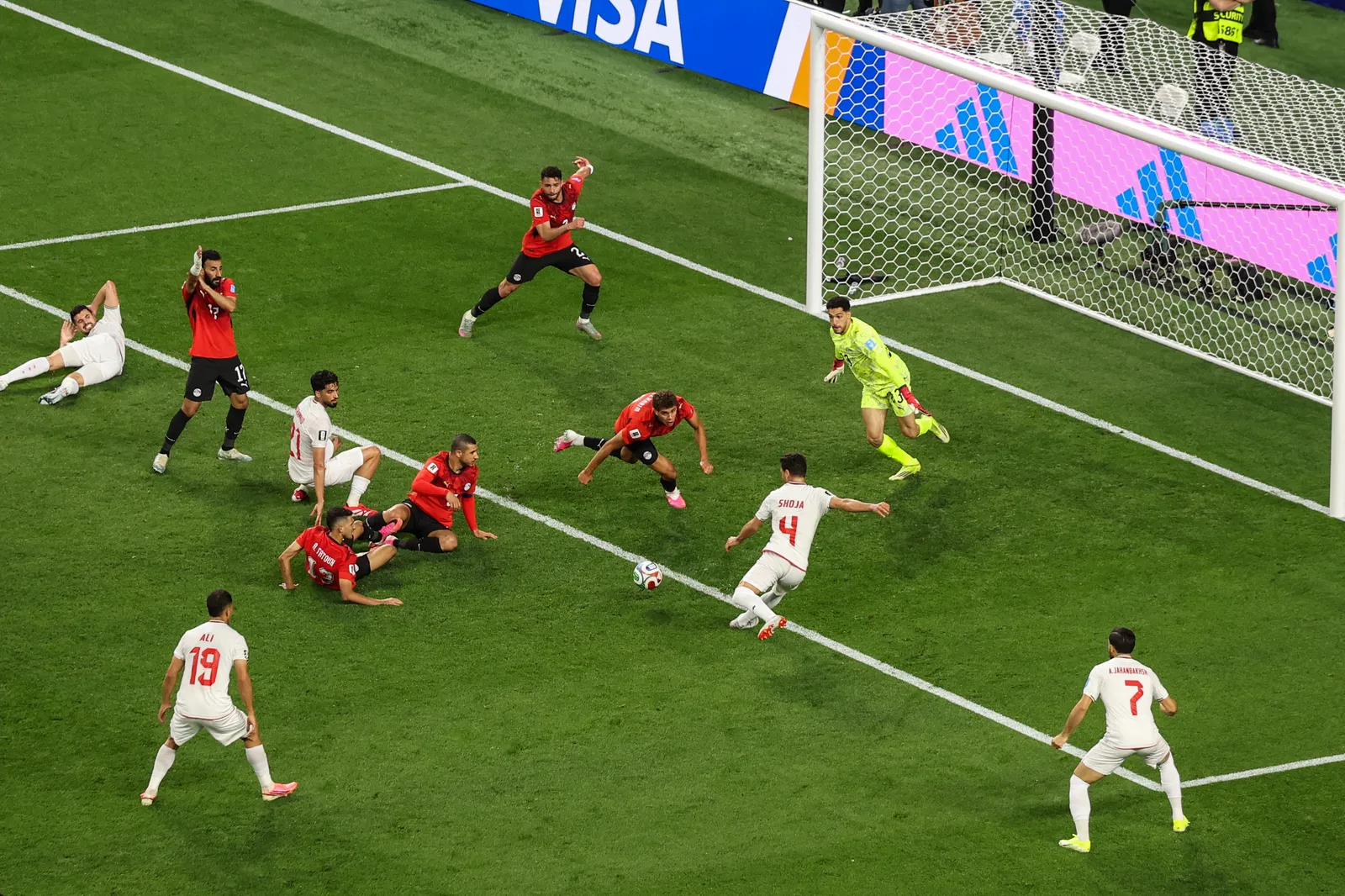
Iran’s ambassador to Mexico, Abolfazl Pasandideh, praised Iran’s World Cup team while blasting controversial video review decisions he described as “pseudo-VAR” interventions. For decision-makers, the episode is a reminder that officiating disputes can metastasize into major reputational and political narratives.
Iran’s ambassador to Mexico, Abolfazl Pasandideh, used Iran’s World Cup exit to deliver a blunt message: the team battled opponents, but also “fatigue, injustice, and hardships that rarely appeared before the cameras.” In a lengthy statement to POLITICO, Pasandideh praised the national squad even as he criticized what he called “pseudo-VAR” interventions, arguing that video review decisions influenced the tournament’s outcome.
Pasandideh’s core claim was that “Perhaps some balls fell just centimeters short of bringing joy to millions of Iranians - centimeters that were not even measured by the linesman’s flag, yet were magnified by ‘pseudo-VAR’ interventions.” In other words, the difference between advancing and going home was not just about play, it was about interpretation, and he believes the interpretation was amplified by technology meant to reduce human error. He ended the statement by insisting that “nothing could ever diminish the magnitude of your determination,” addressing the players as the “brave sons of Iran” who were willing to give “the last drop of life for Iran.”
The practical stakes of this kind of accusation are rarely limited to sports. When an official tournament ends, especially at global scale like the FIFA World Cup, the story does not stop at the final whistle. It rolls into media cycles, political messaging, and public sentiment. Pasandideh’s language is unmistakably pointed. He compares the tournament moment to something measurable and yet contested: “centimeters,” a unit that implies precision while also spotlighting how tiny margins can decide outcomes. The sharper the margin, the easier it is to argue that a system designed to be fair may have been used or interpreted in a way that felt unfair to one side.
That gets to the heart of why “pseudo-VAR” matters as a phrase. VAR, or video assistant referee, is built on the concept that extra review can correct mistakes. If a prominent diplomat tells a national audience that the review process was magnifying near-misses instead of clarifying them, he is not only complaining about a call. He is challenging the legitimacy of the mechanism the tournament uses to earn trust. And once legitimacy is questioned, it can become harder for any institution in the ecosystem, including organizers and officials, to restore confidence quickly.
Pasandideh did not frame his statement as a technical debate, either. He cast Iran’s World Cup run in overtly patriotic terms, comparing the players to legendary Persian heroes including Arash and Rostam. He wrote that “true championship lies in loyalty to the flag,” and he predicted the national team would return “stronger, more experienced, and more brilliant” in future international competitions. That combination of criticism and reaffirmation is a pattern you see when public figures want to keep morale high while still staking a claim about fairness. It allows an audience to hold two thoughts at once: gratitude for effort, and anger at the system.
FIFA did not immediately respond to a request for comment, according to POLITICO. That detail matters, too. In modern high-stakes events, silence can be interpreted. Even when organizations later publish technical clarifications, the first narrative often becomes the one that sticks, especially if it is delivered by an authority figure. For leaders watching from outside sport, the lesson is not “be angry.” It is that institutional response timing can shift the entire interpretation of an outcome.
There are also second-order implications for anyone who manages governance-like processes. VAR is a form of decision auditing, a structured attempt to make judgments more consistent through review. When a user group, in this case a national representative, describes the review as “pseudo,” it signals a failure in perceived consistency. That is a reputational risk, not a spreadsheet risk. It can turn a one-time controversy into a broader critique of process quality.
Finally, Pasandideh’s statement is a reminder that public narratives can be as consequential as results. His message goes beyond the elimination itself. By addressing the players as “brave sons of Iran” and tying their effort to national identity, he positioned the World Cup run as an argument about values, not just an athletic performance. For other executives, board members, and decision-makers in heavily scrutinized domains, this is the same dynamic: when outcomes are final, the most powerful work moves to meaning-making. And when meaning is contested, stakeholders will fill the gap with their own explanations, including ones that blame specific mechanisms like video review.
The strategic takeaway is straightforward. If you build, regulate, or rely on any process intended to reduce error, you cannot treat trust as a given. You need credible responsiveness, clear communication, and fast clarification, because disputed interpretations can spread internationally, quickly, and with political weight.
This story's Key Insights and Take-aways are locked.
Create a free account to unlock Executive Actions for one credit.
Register to UnlockAlways free for Executives Club members. Join the Club
More in Politics

Sadiq Khan will override Soho dining opposition, letting restaurants move outdoors from 2027
London’s mayor is using new powers after a local council failed to back seasonal pedestrianisation.

U.S. and Iran halt Hormuz attacks, but energy markets still price an escalation trap
Ceasefire talks move to Qatar, yet oil surges fade into a bigger question: who controls the Strait of Hormuz next?

New MP for Makerfield gives Burnham’s first major leadership speech Monday morning
Why this “first major leadership speech” matters for party dynamics, media narratives, and anyone tracking the prime minister pipeline.