
Sadiq Khan will override Soho dining opposition, letting restaurants move outdoors from 2027
London’s mayor is using new powers after a local council failed to back seasonal pedestrianisation.
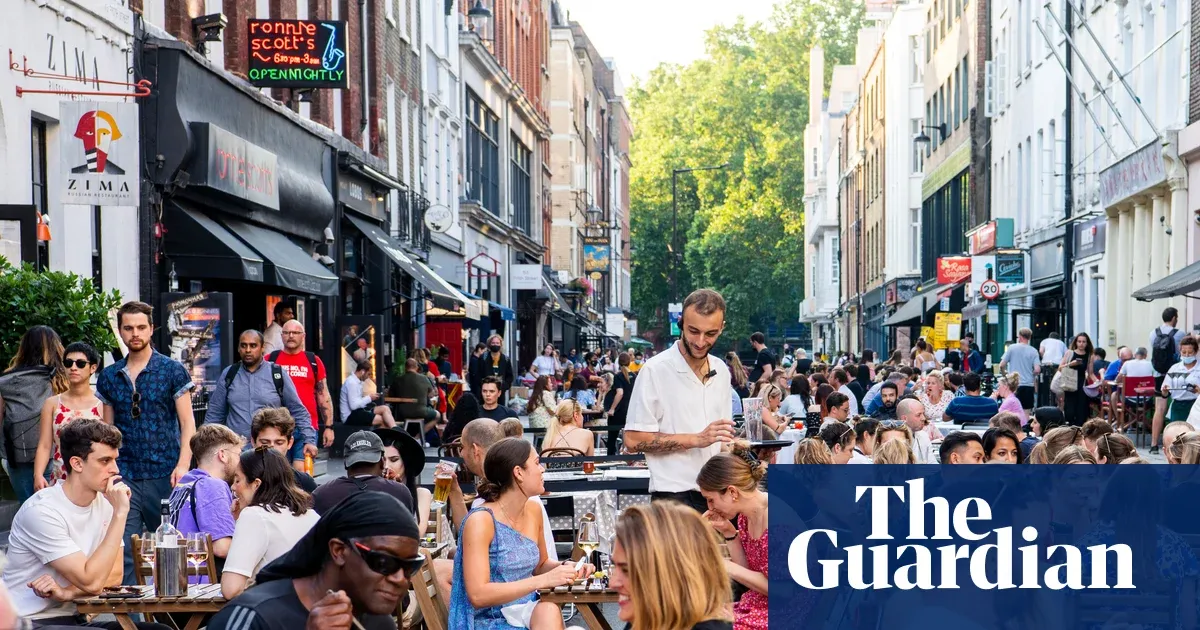
London mayor Sadiq Khan plans to override opposition to outdoor dining in Soho after the local council failed to apply for a seasonal pedestrianisation scheme. Starting from 2027, restaurants in London’s entertainment district will be allowed to place chairs outside in warmer months.
London mayor Sadiq Khan says he will override opposition to outdoor dining in Soho after the local council failed to apply for a seasonal pedestrianisation scheme being introduced across the capital this summer. In plain terms: the mayor is stepping in where local process did not, and he is doing it with a specific outcome in mind for the city’s entertainment district.
From 2027, restaurants in London’s entertainment area will be allowed to put chairs outside during the warmer months, despite a longstanding local row on the issue. That matters because outdoor seating is never just about aesthetics. It changes how businesses operate, how foot traffic moves, and how quickly a neighborhood can adapt to peak demand, especially in a district where “walk-by” exposure and dwell time can be the difference between a full floor and an empty one.
Soho’s dispute has been a recurring theme in London’s city management cycle, where seemingly small changes to street space collide with big questions: who gets priority, residents or businesses, and what happens when street patterns shift seasonally. This new approach, tied to a broader plan for seasonal pedestrianisation across London, is effectively the city saying, “We will standardize the rules, but we will still have to fight for them when local applications do not arrive.”
Here is the key procedural fact driving the story. The mayor plans to use new powers after the local council opposed the city scheme and, crucially, failed to apply to it. That means the policy is not just emerging from a mayoral desire to relabel streets. It is being shaped through how local bodies participate or do not participate in a program. And for anyone who has ever tried to build a business plan that depends on regulatory timing, this is a reminder that approvals and applications can become leverage points.
Why does outdoor dining become such a flashpoint? Because outdoor seating sits at the intersection of multiple concerns that city authorities constantly balance. Pedestrianisation changes how people move through an area. A seasonal model changes it again, but only some months, which can concentrate activity and amplify conflict during the peak season. Meanwhile, chairs outside are also a physical claim on public space, and that can raise questions about accessibility, safety, crowding, and how local residents experience noise and congestion.
From a governance perspective, the mayor’s move signals an intent to reduce the risk that a localized veto or omission stalls what the capital government wants to roll out across multiple neighborhoods. Seasonal pedestrianisation, introduced across the city this summer, is the headline framework. Soho’s implementation is the test case for whether that framework becomes real for businesses or remains theoretical because of local friction.
There is also a business implication hidden in the timeline. The scheme is being introduced this summer, but the outdoor seating permission in London’s entertainment district starts from 2027. That long runway is not random. It gives the city time to design the seasonal pedestrianisation approach, coordinate boundaries, and address operational issues like where chairs can go and how streets are managed during the warmer months. For restaurant operators, it also creates a planning problem. Many businesses will need to decide now how they invest in service models, staffing, and possibly furniture and layout for a future compliance environment, all while local dynamics have already shown they can change implementation pathways.
For executives and boards watching closely, this story is less about Soho specifically and more about the pattern. When regulators adopt citywide frameworks but local councils do not apply them, you can end up with patchy adoption, uneven commercial conditions, and a patchwork of rules that complicates forecasting. A mayor using new powers to override local opposition suggests that central authorities are prepared to enforce consistency when local institutions do not align. In practical terms, that can reshape how operators evaluate regulatory risk, and it can change how property and hospitality stakeholders price neighborhoods.
The strategic stakes are clear: outdoor dining can directly impact revenue, brand experience, and customer acquisition in a neighborhood like Soho, where footfall and ambiance matter. At the same time, the politics of pedestrianisation show how quickly an operational advantage can become contingent on governance. If you are a hospitality leader, a real estate operator, or an investor with exposure to urban commercial districts, this is a signal that the rules of street space are still moving, and in London, the driver is not only local agreement. It can be mayoral power.
This story's Key Insights and Take-aways are locked.
Create a free account to unlock Executive Actions for one credit.
Register to UnlockAlways free for Executives Club members. Join the Club
More in Politics
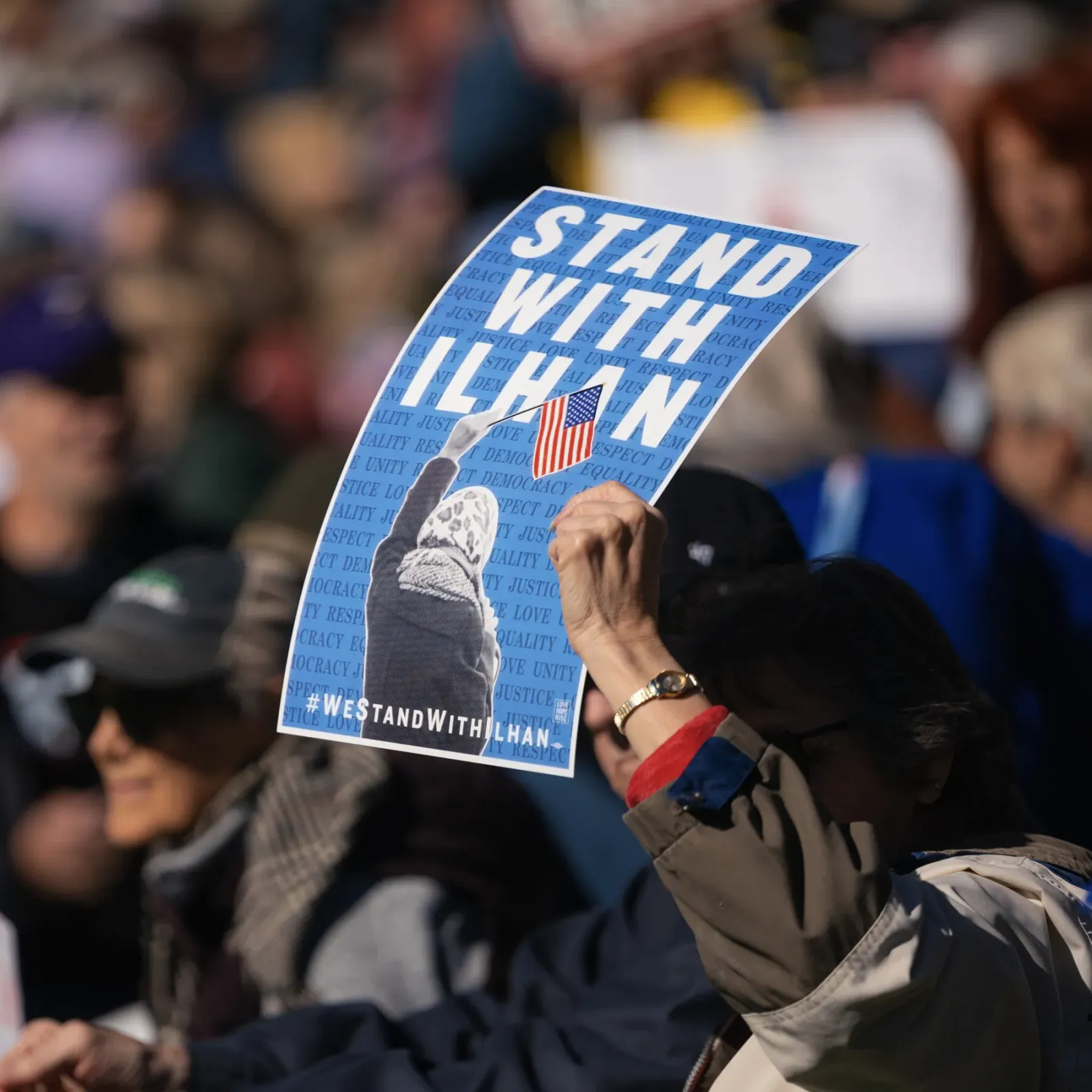
Obama Defends Ilhan Omar After Agents Search Her Home in Trump Inquiry
The former president's intervention raises the stakes in a federal probe into immigration paperwork that has put a prominent progressive lawmaker in the crosshairs.

Blair-era minister: cut welfare to fund youth job support
Alan Milburn's call for welfare cuts to fund employment support opens a Labour fight over benefits and the Neet crisis.
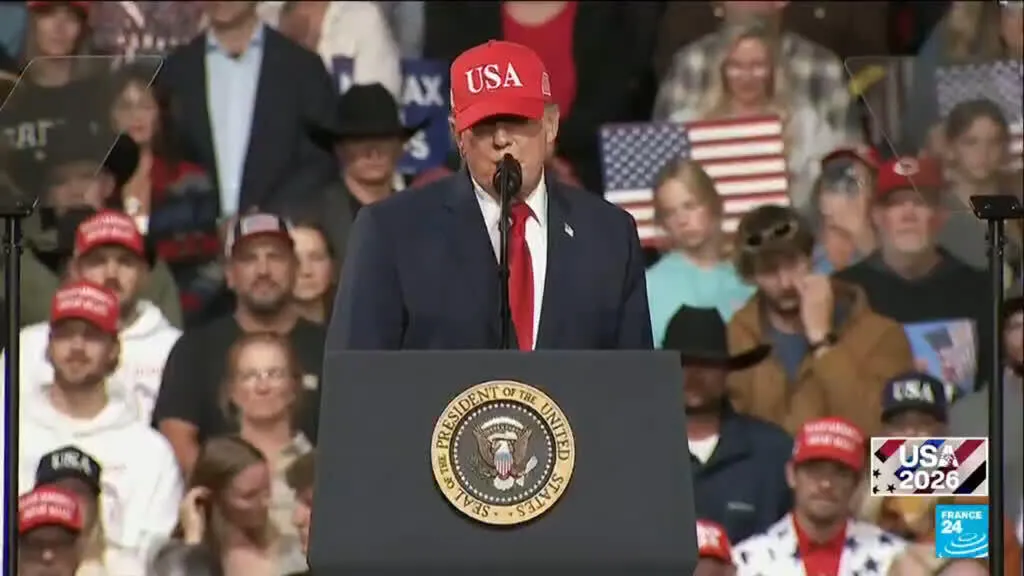
Hot September CPI: energy costs surge, voters feel the squeeze before midterms
The latest inflation print lands as Trump campaigns for GOP control of Congress, putting cost-of-living worries at the center of the midterm fight.