
Standards watchdog opens probe into Reform UK deputy leader Richard Tice over interests
The parliamentary standards commissioner says it began an investigation on 28 July into a possible undeclared interest.

The UK parliamentary standards watchdog is investigating Reform UK deputy leader Richard Tice after a possible failure to declare an interest, the commissioner said on its website on Monday. The probe was opened on 28 July and will be conducted by the parliamentary commissioner for standards, Daniel Greenberg.
Britain’s parliamentary standards watchdog has opened an investigation into Reform UK deputy leader Richard Tice, after the commissioner said there was a possible failure to declare an interest. The watchdog announced the probe on its website on Monday, naming Tice as the subject of a matter it is not yet detailing publicly.
The key dates matter here. The commissioner says the investigation was opened on 28 July, and it will be handled by the parliamentary commissioner for standards, Daniel Greenberg. That means this is not a vague “review.” It is a formal standards process with a specific, named commissioner attached from the start.
So what exactly is the allegation? The watchdog did not provide details of the specific interest, the circumstances, or how the alleged failure might have occurred. Based on the way these commissioner notices typically work, the public-facing wording is careful by design. It signals that something in a declaration or related disclosure requirement may have fallen short, but it avoids presenting the details as settled fact before the commissioner does the actual work. Still, even without the specifics, the headline risk is immediate: standards investigations can quickly dominate headlines, distract from policy work, and force parties and their leadership teams into rapid risk management mode.
To understand why this lands like it does, it helps to zoom out to how parliamentary standards systems function. Members of parliament and party office holders are expected to declare relevant interests. The basic logic is transparency: voters should know whether financial ties or other relationships might color decisions, questions, votes, or influence. When a possible failure to declare an interest is alleged, the focus is not only on the underlying conduct, but also on the integrity of disclosure itself. Even technical issues can become high-salience because they touch trust.
This is also a political process with institutional mechanics. The investigation being conducted by Daniel Greenberg matters because it establishes the authority and process. By naming him, the watchdog signals that the matter will be assessed within the commissioner’s remit rather than being left to informal resolution. For boards, leadership teams, and party executives, that difference is not cosmetic. Formal commissioner processes create documentation trails, timelines, and structured outcomes. They also tend to increase the pressure on internal compliance, because every public statement and internal response can later be compared against what was known and when.
There is also a second-order implication for parties and their leadership dynamics. In practice, standards issues often force a split between the political communications response and the compliance response. The communications team wants speed and certainty, but the compliance team wants caution and documentation. When the regulator will not even provide details at the outset, the party’s temptation is to argue the merits early. The safer approach is usually to treat it as an active process and focus on ensuring disclosures are accurate and complete, because the commissioner’s job is to determine what happened.
For decision-makers who track similar stories across politics, finance, and regulated professions, the strategic takeaway is blunt. Standards probes can become “process stories” even when the underlying conduct is unclear at first. That is why the date stamp, 28 July, is more than trivia. It tells you when the formal engine started, meaning there is a runway for facts to accumulate and for the commissioner to reach conclusions. Until the watchdog releases more information, the public version remains: a possible failure to declare an interest, under investigation.
And for peers in similar roles, the message is straightforward. If you are a deputy leader, a spokesperson, or any role that sits close to decision-making, disclosure hygiene is not just governance theater. It is operational continuity. Richard Tice’s investigation shows how quickly a standards concern can move from private compliance questions to public scrutiny, handled by a named commissioner, with no details provided yet to soften the impact. In short: even when you do not yet know the allegation, you know the process can escalate, and everyone around you has to be prepared.
This story's Key Insights and Take-aways are locked.
Create a free account to unlock Executive Actions for one credit.
Register to UnlockAlways free for Executives Club members. Join the Club
More in Politics
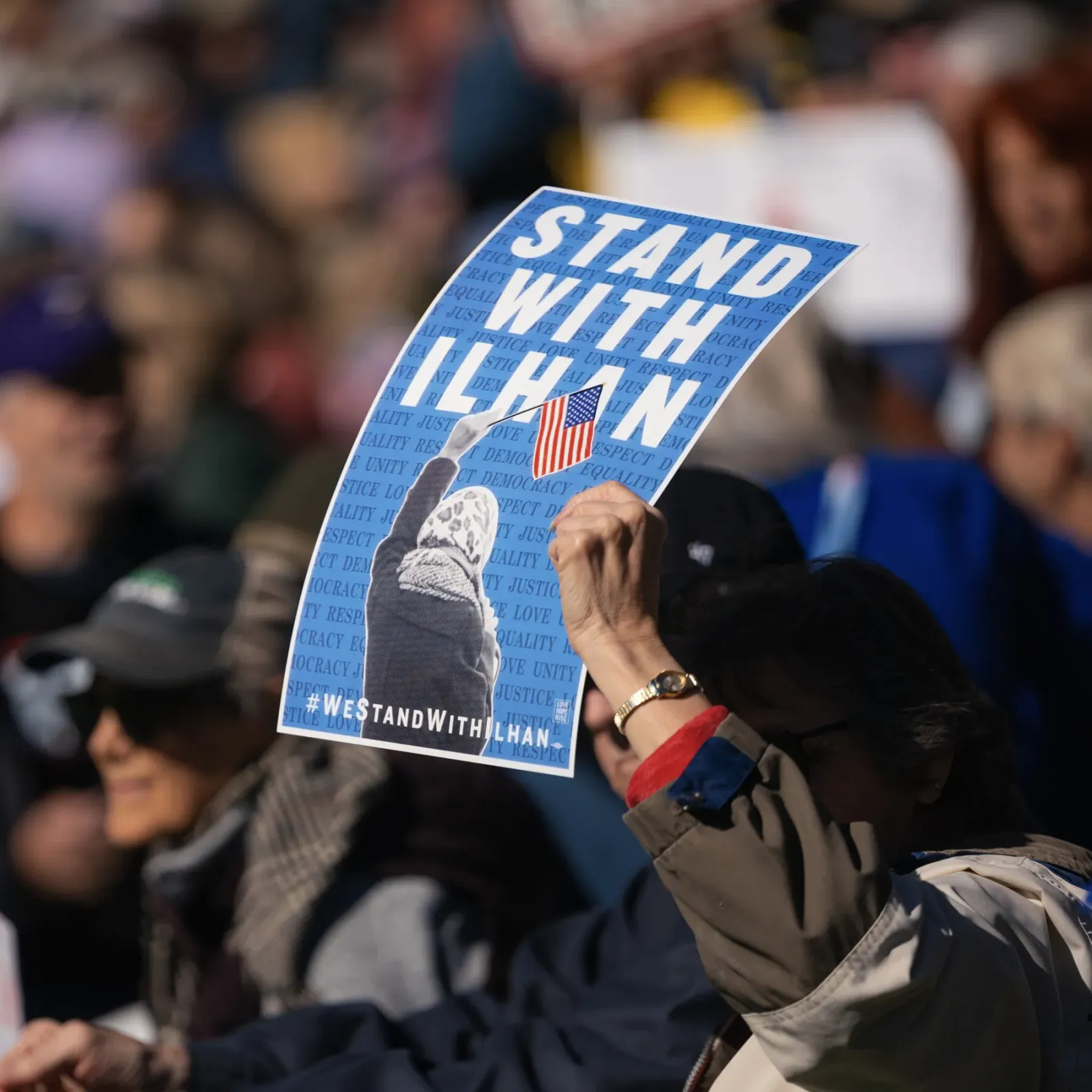
Obama Defends Ilhan Omar After Agents Search Her Home in Trump Inquiry
The former president's intervention raises the stakes in a federal probe into immigration paperwork that has put a prominent progressive lawmaker in the crosshairs.

Blair-era minister: cut welfare to fund youth job support
Alan Milburn's call for welfare cuts to fund employment support opens a Labour fight over benefits and the Neet crisis.
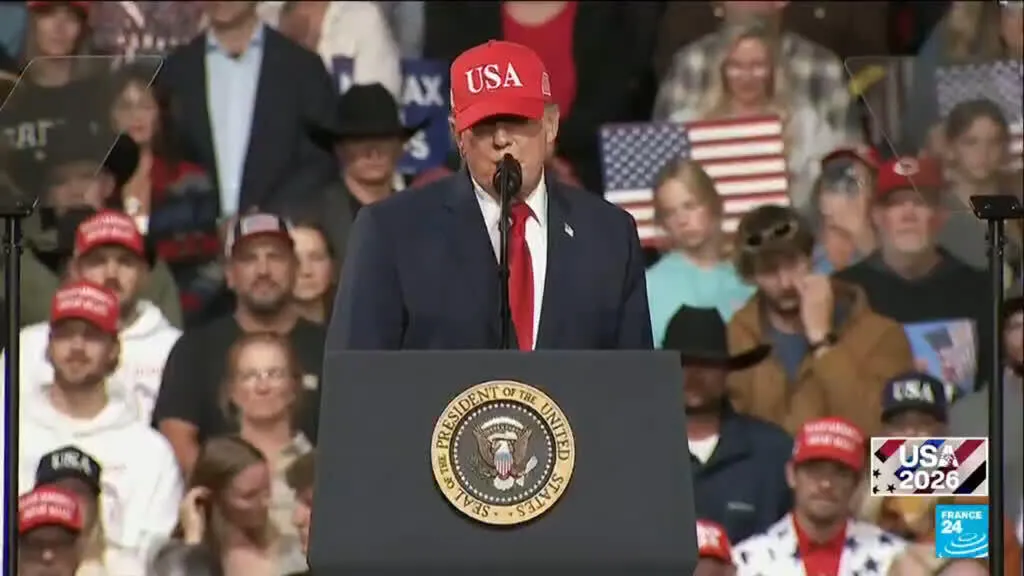
Hot September CPI: energy costs surge, voters feel the squeeze before midterms
The latest inflation print lands as Trump campaigns for GOP control of Congress, putting cost-of-living worries at the center of the midterm fight.