

Greece wildfire chaos erupts 70km from Athens after mid-air collision kills two helicopters’ crews
A week of blazes across Greece is now compounded by a deadly helicopter collision, forcing evacuations near Athens.
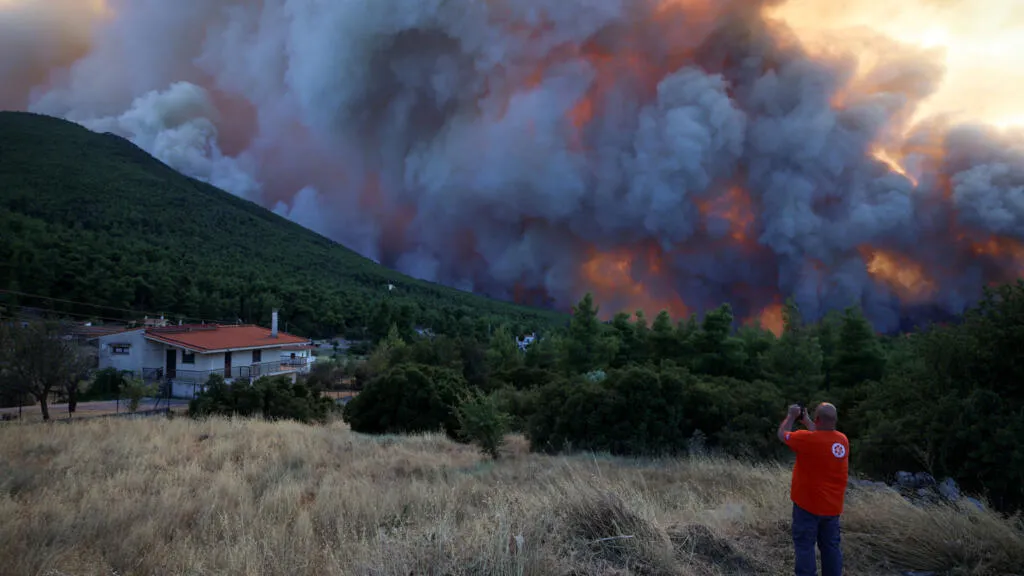
Greece’s wildfire crisis intensified after a deadly mid-air collision between two firefighting helicopters occurred during a week of destructive blazes. For decision-makers, the immediate consequence is escalating disruption, evacuations, and mounting scrutiny of emergency response capacity and risk controls.
Greece is facing a wildfire catastrophe that is accelerating faster than emergency systems can absorb, and the latest data point is grim: a deadly mid-air collision between two firefighting helicopters compounded a week of destructive blazes across the country. Fires have sparked across Greece, including just seventy kilometres from Athens, forcing many residents to flee as countless homes were damaged or destroyed.
The tragedy is not happening in some remote corner. Seventy kilometres from Athens is close enough that uncertainty turns into operational pressure. When evacuations start near a major metro, you get ripple effects that go beyond scorched land: displaced residents, disrupted transport and communications, and strained public safety resources at the same moment demand peaks. The helicopter collision adds a second shock, one that threatens the continuity of firefighting operations and raises the stakes for how quickly and safely aircraft can be mobilized.
To understand why this matters to executives, it helps to see wildfires as a stress test for coordination. Wildfires are not a single event. They are a chain reaction that spans multiple agencies, shift schedules, air and ground tactics, and real-time routing decisions. When a collision occurs between two firefighting helicopters, you are not just losing assets. You are also dealing with the immediate need to ground or reroute aircraft, investigate what happened, and re-establish confidence in flight operations, especially if conditions are chaotic and visibility is poor.
There is also an investment and governance angle hiding inside the emergency. In most countries, firefighting aviation and response coordination operate under strict aviation and public safety frameworks, with procedures designed for high-risk environments. A mid-air collision forces regulators and responsible authorities to revisit safety protocols, training, and airspace coordination during active incidents. Even when no one wants to politicize a tragedy, oversight tends to follow, and that can change how future deployments are planned, how equipment is maintained, and how incident command structures are used.
Now layer in the geography. Fires sparked across the country, and they are close to Athens. That proximity compresses timelines. Evacuation planning is a logistical problem, but it is also a legitimacy problem. People accept danger when they believe systems are working. When they see homes damaged or destroyed and then hear about a deadly collision in the firefighting response, trust takes a hit, and that can make compliance harder, even for people who have no better choice than to leave.
Second-order implications show up in the supply chain and continuity planning too. As residents evacuate and homes are damaged or destroyed, local economic activity stalls. Utilities and telecoms infrastructure can be threatened. Roads and access routes can become dangerous or blocked. For businesses, that translates into disrupted operations, damaged assets, and workforce displacement, all while authorities juggle firefighting, rescue, and public communication. Companies with offices, plants, or logistics footprints in affected regions typically face immediate contingency decisions about remote work, supplier switching, and the safety of employees.
For peers in adjacent roles, there is also a personnel and capability lesson. When emergency response assets are engaged intensively for a week, fatigue, wear, and coordination complexity rise. Even without inventing causes, the pattern is clear: consecutive days of destructive blazes increase operational tempo, and collisions are a harsh reminder that speed is not the same as control. Boards and leadership teams overseeing industries tied to aviation, critical infrastructure, or public safety contracts tend to watch these situations because they often trigger reviews that can affect budgets, procurement, and operational standards.
Greece’s wildfire crisis is therefore more than a headline about fire and smoke. It is a live case study in how quickly disasters cascade, how close-to-home risks force rapid decisions, and how one catastrophic failure in emergency aviation can compound an already overwhelming incident. The strategic question for decision-makers is straightforward: if capacity is stretched and safety incidents occur while fires rage, how do you maintain response continuity, protect trust, and ensure that the systems you rely on can keep doing the job under maximum stress?
This story's Key Insights and Take-aways are locked.
Create a free account to unlock Executive Actions for one credit.
Register to UnlockAlways free for Executives Club members. Join the Club
More in Politics
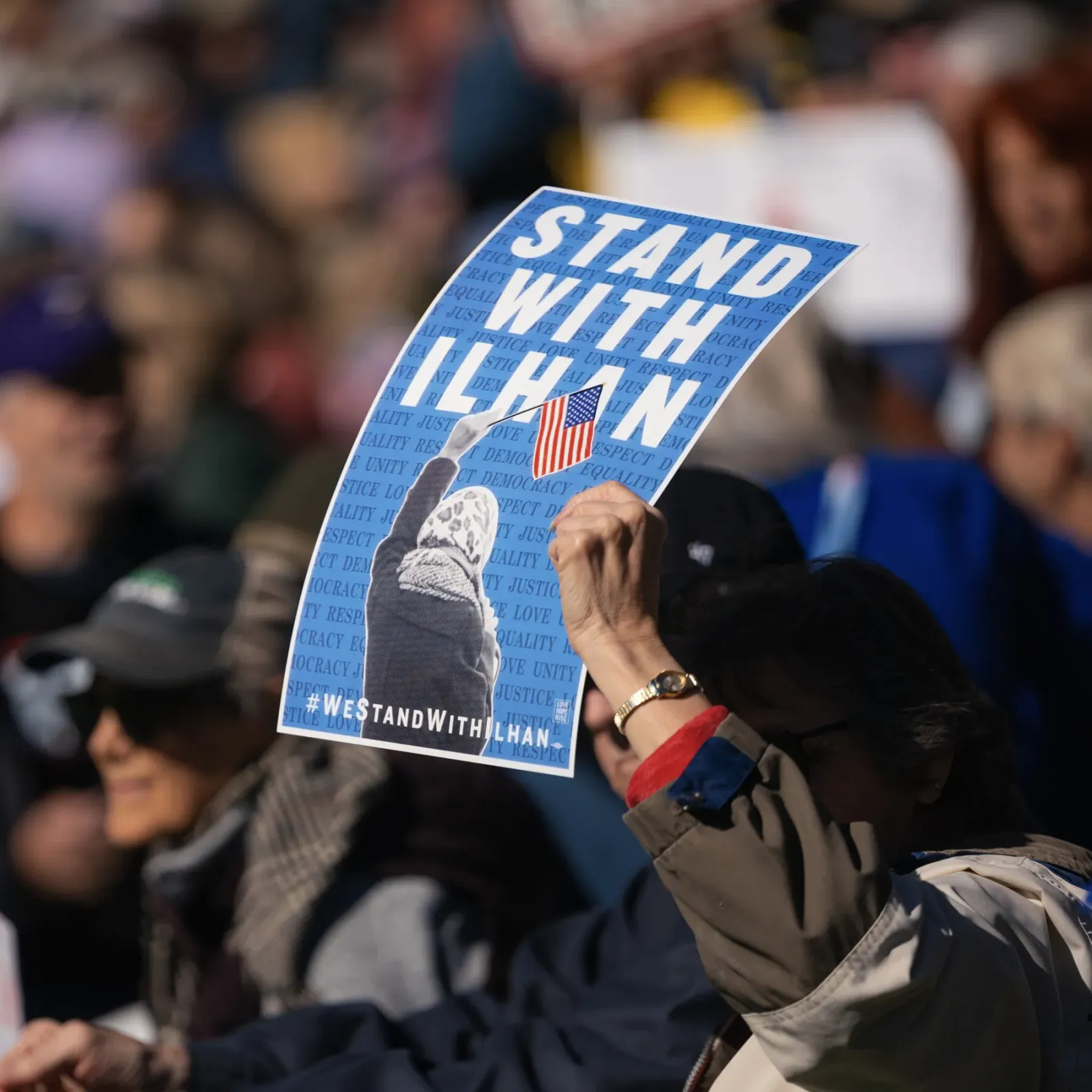
Obama Defends Ilhan Omar After Agents Search Her Home in Trump Inquiry
The former president's intervention raises the stakes in a federal probe into immigration paperwork that has put a prominent progressive lawmaker in the crosshairs.

Blair-era minister: cut welfare to fund youth job support
Alan Milburn's call for welfare cuts to fund employment support opens a Labour fight over benefits and the Neet crisis.

Hot September CPI: energy costs surge, voters feel the squeeze before midterms
The latest inflation print lands as Trump campaigns for GOP control of Congress, putting cost-of-living worries at the center of the midterm fight.