
Iran’s Esmail Baghaei says Oman talks start shipping via Hormuz, not US talks yet
Temporary route plans with Oman aim to restart commerce while Tehran says Washington dialogue is not on the table.
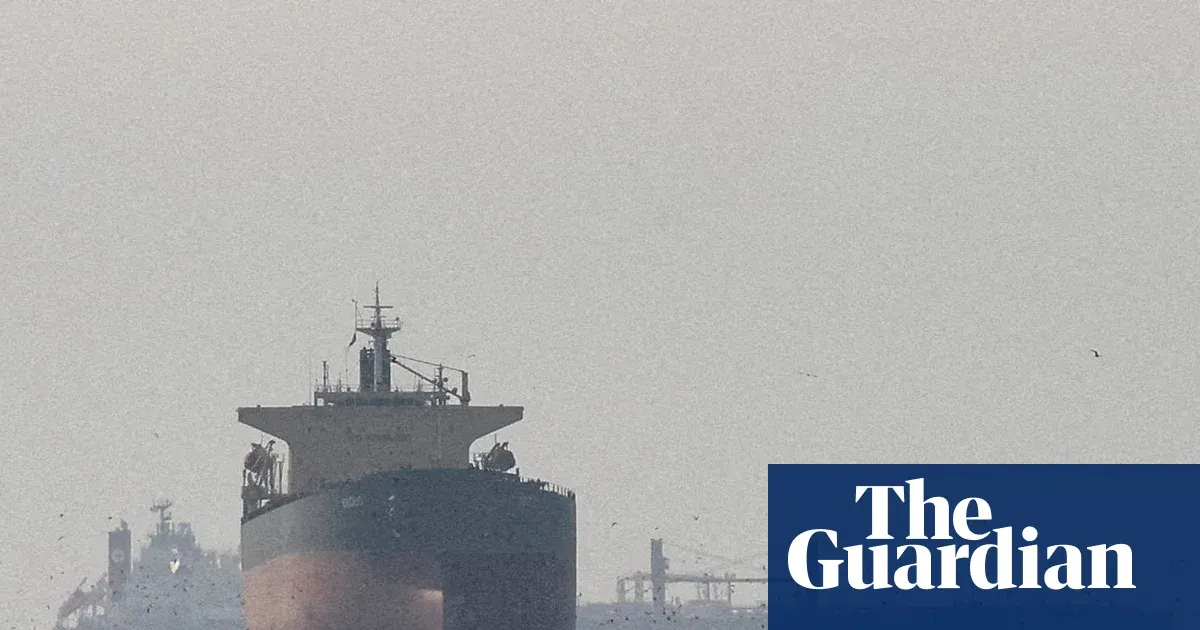
Esmail Baghaei, Iran’s foreign ministry spokesperson, says Tehran is in talks with Oman about a temporary shipping route through the Strait of Hormuz to let commercial shipping resume. The move matters for decision-makers because it signals a partial, commercial-focused de-escalation while US-Iran negotiations remain paused.
Iran’s foreign ministry spokesperson, Esmail Baghaei, said on Monday that Tehran is discussing with its neighbour, Oman, the creation of a new temporary route through the Strait of Hormuz. The purpose is practical and specific: to allow commercial shipping to resume. But Baghaei also made the limiter clear. He said Iran is not yet reviving talks with the US.
That distinction lands in the same news cycle as claims from Donald Trump about an imminent reset in US-Iran talks. Trump said negotiations between the two sides covering major disputes could restart as early as Monday. He also tied a decision to delay what he called the biggest strike on any country “since world war two” to calls for diplomacy, saying Saudi Arabia’s crown prince, Mohammed bin Salman, rang him over the weekend to urge diplomacy. Trump further said that the cancellation was conditional on Iran reaching a deal quickly.
Put together, you get a classic diplomatic mismatch: one side is talking about a fast track to comprehensive negotiations, while Tehran is describing a narrower, near-term operational fix. In Baghaei’s framing, the immediate target is not resolving all “major disputes.” It is restoring the ability of commercial shipping to move through one of the world’s most strategically sensitive chokepoints.
The Strait of Hormuz is not just a geopolitical headline. It is a commercial reality. When risk rises, shipping routes get rerouted, insurance pricing changes, schedules slip, and downstream costs travel quickly through energy and supply chains. Even a “temporary route” sounds smaller than it is. In practice, it is the difference between uncertainty and continuity for firms that price and plan around predictable transit.
The fact that Iran is talking with Oman, but not yet with the US, also reveals something about incentives. Oman is a nearby neighbour that can plausibly host or coordinate operational discussions without the same symbolic weight as direct Washington-Tehran bargaining. For Iran, there is a benefit to demonstrating forward motion that does not require conceding on every contentious issue. For Oman, being part of a commercial pathway can strengthen its role as a regional interlocutor.
For the US side, Trump’s comments suggest a political and timeline-driven approach. He claimed he held off from launching the biggest strike “since world war two” over the weekend. That kind of language indicates intent to manage perceptions of leverage and deterrence. He also stated that the cancellation was conditional on Iran reaching a deal quickly. In a world of messaging, conditionality is not just policy. It is pressure, and it creates a clock that other actors may feel even if they are not formally in the negotiation.
This is where the second layer matters for executives and boards: when timelines collide, volatility spreads. Companies that depend on shipping continuity, energy-linked logistics, or regional supply chains often have risk frameworks built around escalating headlines. If the pattern becomes “operational de-escalation without comprehensive settlement,” firms may have to recalibrate what “less risk” actually means. Commercial shipping might resume through the Strait of Hormuz via temporary arrangements, but uncertainty can persist if the core dispute remains unsettled.
Regulators and counterparties also tend to react to these signals. Maritime and financial actors typically care about enforceable stability, not just hopeful pathways. A temporary route may restore movement, but it still invites questions: how long it lasts, what controls are applied, and whether it is robust under changing military or diplomatic signals. Those details affect insurance terms, contract risk, and cost of capital for businesses exposed to the region.
Finally, there is a strategic stake for anyone with skin in the game. Iran’s position, as articulated by Baghaei, suggests a segmented strategy. There is a commercial channel being explored. There is still no confirmation of a broader revival of US-Iran talks. That combination can keep markets and planning teams in a state of partial readiness: monitoring daily developments, modeling scenarios, and deciding how much operational change to commit to.
If you are a CEO, CFO, or board member at an energy, shipping, trading, or supply chain firm, the headline is a signal you cannot ignore. The practical route conversation with Oman may lower immediate disruption risk. The absence of revived US talks, however, means headline risk can remain elevated. In this environment, the smartest posture is not guessing what will happen next. It is treating commercial de-escalation and comprehensive diplomacy as different tracks, and planning for both outcomes until the next confirmation arrives.
This story's Key Insights and Take-aways are locked.
Create a free account to unlock Executive Actions for one credit.
Register to UnlockAlways free for Executives Club members. Join the Club
More in Politics
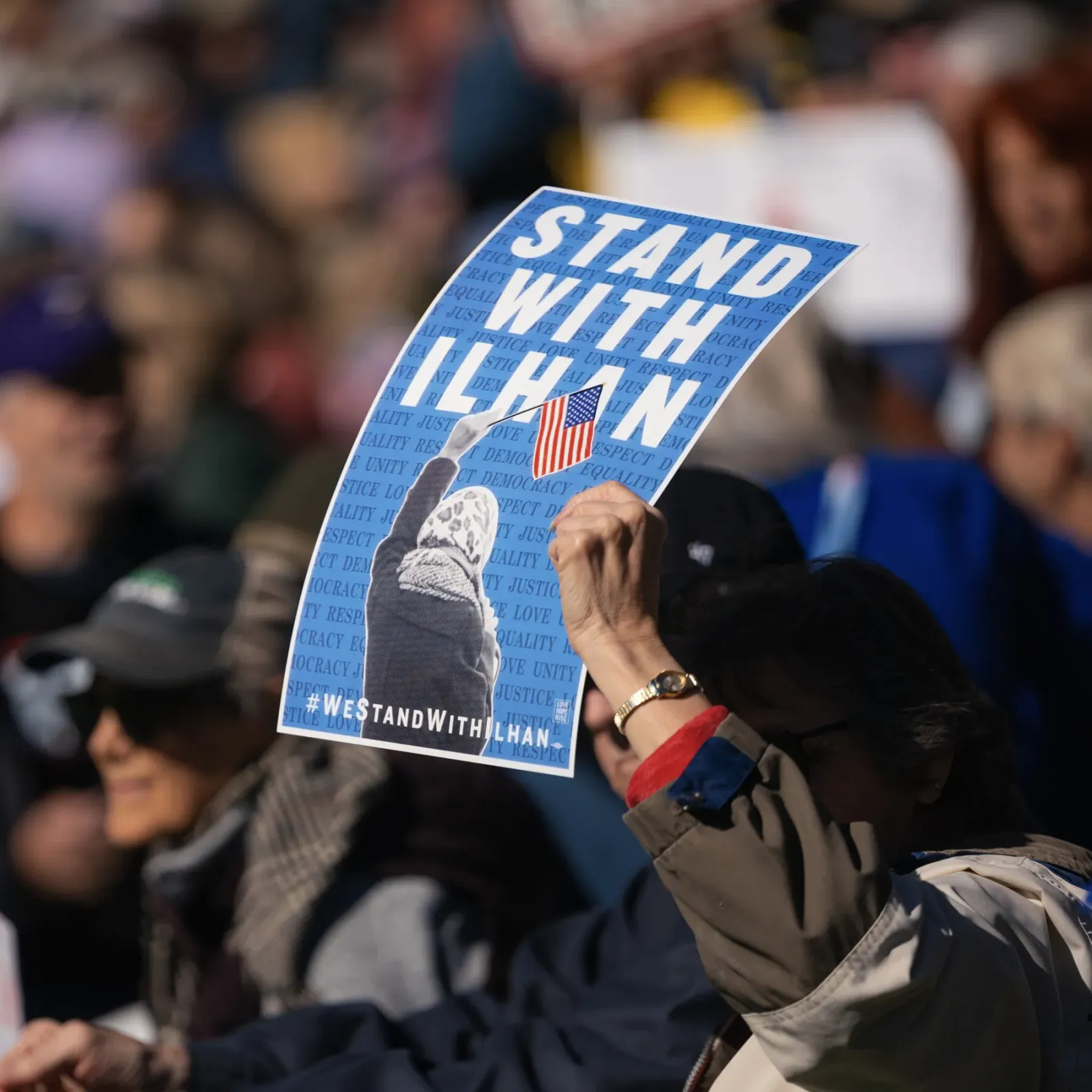
Obama Defends Ilhan Omar After Agents Search Her Home in Trump Inquiry
The former president's intervention raises the stakes in a federal probe into immigration paperwork that has put a prominent progressive lawmaker in the crosshairs.

Blair-era minister: cut welfare to fund youth job support
Alan Milburn's call for welfare cuts to fund employment support opens a Labour fight over benefits and the Neet crisis.
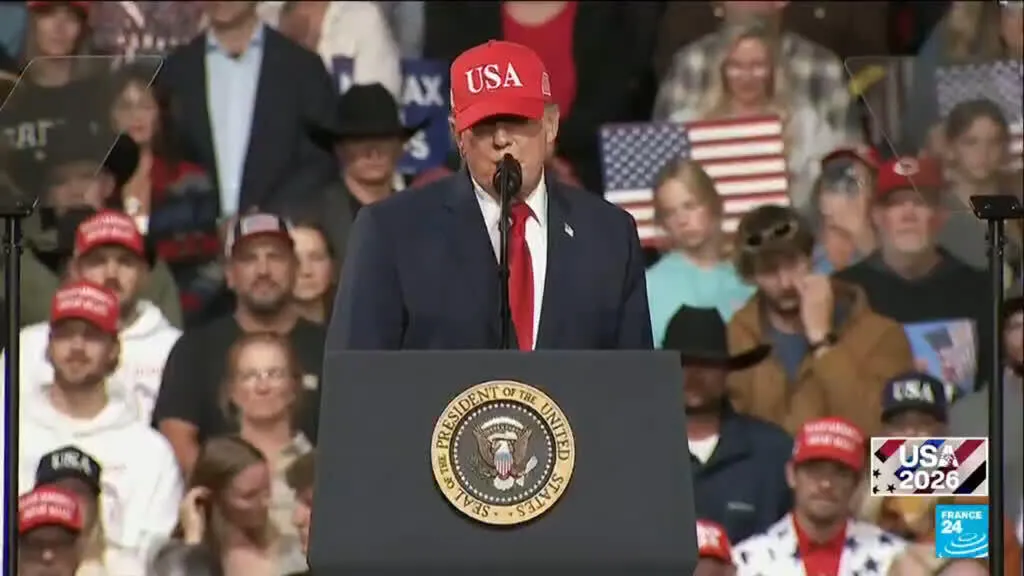
Hot September CPI: energy costs surge, voters feel the squeeze before midterms
The latest inflation print lands as Trump campaigns for GOP control of Congress, putting cost-of-living worries at the center of the midterm fight.