

Michigan primaries test whether progressives can win battlegrounds, not just safe seats
El-Sayed, plus two House primaries, could reshape how Democrats message in Michigan and beyond before November.
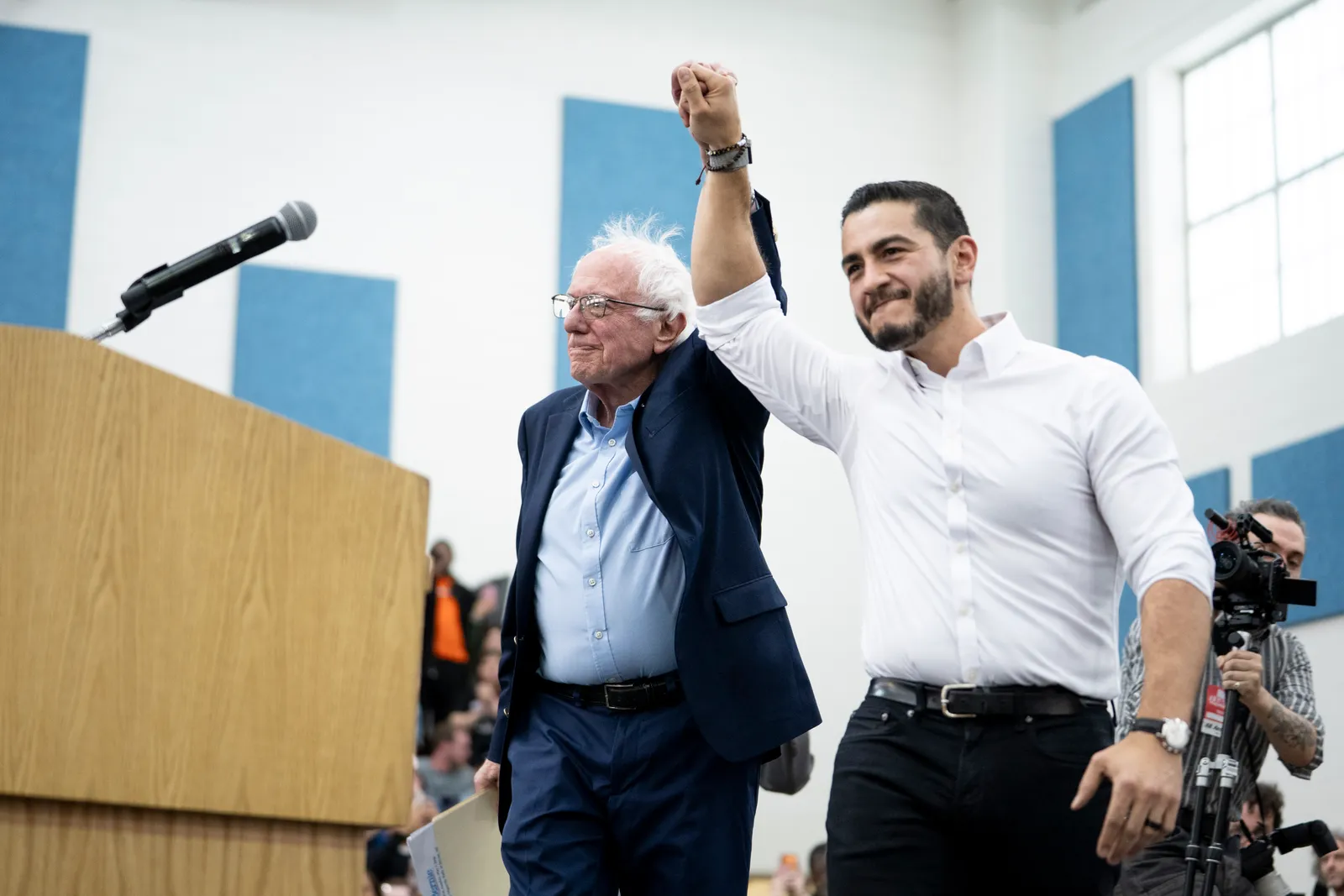
Michigan is serving as a live ideological stress test for Democrats, with Tuesday’s marquee Senate primary and two House primaries in the 7th and 13th districts. Strong progressive results, including a potential win by Abdul El-Sayed, would give the left leverage over the party’s direction heading into November and the 2028 White House race.
Michigan is about to find out how much power “progressive” really has inside the Democratic coalition, and it starts with three primaries on Tuesday. In the state’s marquee Senate race and two House primaries in Michigan’s 7th and 13th Congressional Districts, voters will decide whether progressive candidates can do more than rake in wins in comfortable, safe-blue lanes. They will also decide whether the Democratic Party’s ideological messaging has real potency in battlegrounds that matter for control of Congress.
The Senate contest centers on Abdul El-Sayed, a progressive firebrand who is challenging moderate Rep. Haley Stevens for the Democratic nomination to take on former Rep. Mike Rogers, the unopposed Republican running for the open seat being vacated by retiring Sen. Gary Peters. A strong progressive performance, especially an El-Sayed victory, would “significantly bolster the left’s argument that its message resonates widely,” which could set the table for a bruising fight over the party’s ideological direction ahead of November. And if you are anywhere near a future White House bid, Michigan is the kind of early data that gets treated like gospel: the state was recently selected as an early Democratic presidential primary state, giving it outsized influence on the nominating process.
Why this matters is not just symbolic. Democrats are trying to close the gap between winning primary cycles and winning the general election in electorally tricky places. Progressives have buoyed a “string of primary victories this spring” that reached across safe and competitive districts, from California to Colorado to Maine. Tuesday is the proving ground where the left’s momentum meets a statewide general election test, and where moderates can point to electability concerns. Public polling in the closing stretch shows El-Sayed with a double-digit lead over Stevens, and the campaign has already drawn intense attention from Washington, with outside spending flowing and the candidates sparring over campaign finance, Israel, and electability.
That last word is doing heavy lifting in the background. Democratic strategist Matt McGrath, a former Obama-era Michigan communications director, framed the core logic: if El-Sayed wins the primary, there would be “no real test case for a hard-edged, base-first, super online candidate succeeding at the state level - at least not in a swing state.” In plain English, Tuesday is supposed to answer a question that keeps haunting Democratic strategists: can a very online, very ideologically sharp candidate translate their primary energy into statewide wins where the voter pool is less forgiving?
There is also a reminder baked into the geography. Michigan is described as a perennial battleground, and it was the kind of state where Democrats had to sweat it out recently: Democrats lost it in 2024 by fewer than 100,000 votes, even as Sen. Elissa Slotkin beat Rogers in that same year. The implication for decision-makers is uncomfortable but clear. If progressive candidates sweep statewide in a state that has already shown it can slip away, it changes the internal argument about messaging and coalition building. The strategist Jeff Weaver put the tension bluntly: the people “carping about electability have lost the White House twice to Trump.” That does not settle the debate, but it explains why the progressive camp sees Tuesday as a reckoning, not just an election.
Now add the House dynamics, because control of Congress is not just about the Senate map. Michigan’s 7th Congressional District is a true battleground, voting for President Donald Trump by just over 1 percentage point in 2024. Democrats trying to flip the lower chamber need results here, not just wins in safe seats. The primary features Sunrise Movement co-founder William Lawrence rising in the polls as two more-moderate Democrats fight for the nomination, with Lawrence receiving backing from Sen. Bernie Sanders and El-Sayed. His campaign has centered on fighting data centers, an issue progressives think they can own as artificial intelligence rises. And if you’re wondering why a data centers talking point is suddenly an electoral weapon: in the run-up to 2028, Democrats are betting that AI growth will make how governments regulate that growth a campaign-defining issue.
But battleground wins also come with risk. Some centrist Democrats are already acting like the other shoe will drop. One POLITICO-reported operative said, “If he wins, we’re done,” describing Lawrence’s chances of beating GOP Rep. Tom Barrett in the general election as “highly unlikely.” Other voices warn that even without a full sweep, having Abdul El-Sayed at the top of the ticket could help Republicans down-ballot in a deeply purple state. Michigan-based Democratic strategist Adrian Hemond captured the uneasy logic: “Regardless of whether Will [Lawrence] wins that primary or not, if Abdul is the Senate nominee for Democrats, [Republican Reps.] Tom Barrett and Bill Huizenga are getting reelected.” In other words, progressive strength could be a rising tide for the left, or it could be a drag anchor for other Democrats. Tuesday’s results will force that question into a real, not theoretical, answer.
The 13th District is where the party’s internal arguments become visible, even though it’s described as a safe-blue seat. The primary pits Sanders-backed state Rep. Donavan McKinney against incumbent Rep. Shri Thanedar. Thanedar is supported by House Democratic leaders Hakeem Jeffries, Katherine Clark, and Pete Aguilar, making this another proxy between progressive and establishment wings. The split burst further into public view last week when some members of the Congressional Black Caucus, including progressive Reps. Ilhan Omar and Ayanna Pressley, endorsed McKinney, who is Black.
This is also where progressive infrastructure shows up in the funding and targeting. Justice Democrats, a progressive group that challenges incumbents, decided to target Thanedar’s district this year. The group helped recruit McKinney and has spent nearly $1 million backing him. A progressive group called the Working Families Party also sees Michigan as a barometer. Its spokesperson Ravi Mangla said Michigan reflects a diverse voter base, Midwestern working class dynamics, and what voters want, framing the contests involving Lawrence and McKinney against Thanedar as a signal of where the party is going.
For Republicans, the emphasis is less about predicting ideology and more about exploiting chaos. The NRCC’s Zach Bannon said, in a statement, that the “popcorn machine is warming up” for the “messy, expensive primaries” full of “surging socialists.” That is not policy analysis, but it is an operational bet: internal fractures can widen turnout gaps, complicate messaging, and make general election consolidation harder.
So the strategic stake for executives, investors, and board members tracking politics as policy risk is straightforward. If Tuesday produces a strong progressive performance, it strengthens the left’s internal negotiating position at the moments when messaging and legislative priorities get locked in. If Tuesday produces surprises, it also hands moderates ammunition to argue that ideological energy does not automatically translate into general election outcomes. Either way, Michigan is acting like a live referendum on what wing of the party the next cycle belongs to, starting now, not after November.
This story's Key Insights and Take-aways are locked.
Create a free account to unlock Executive Actions for one credit.
Register to UnlockAlways free for Executives Club members. Join the Club
More in Politics
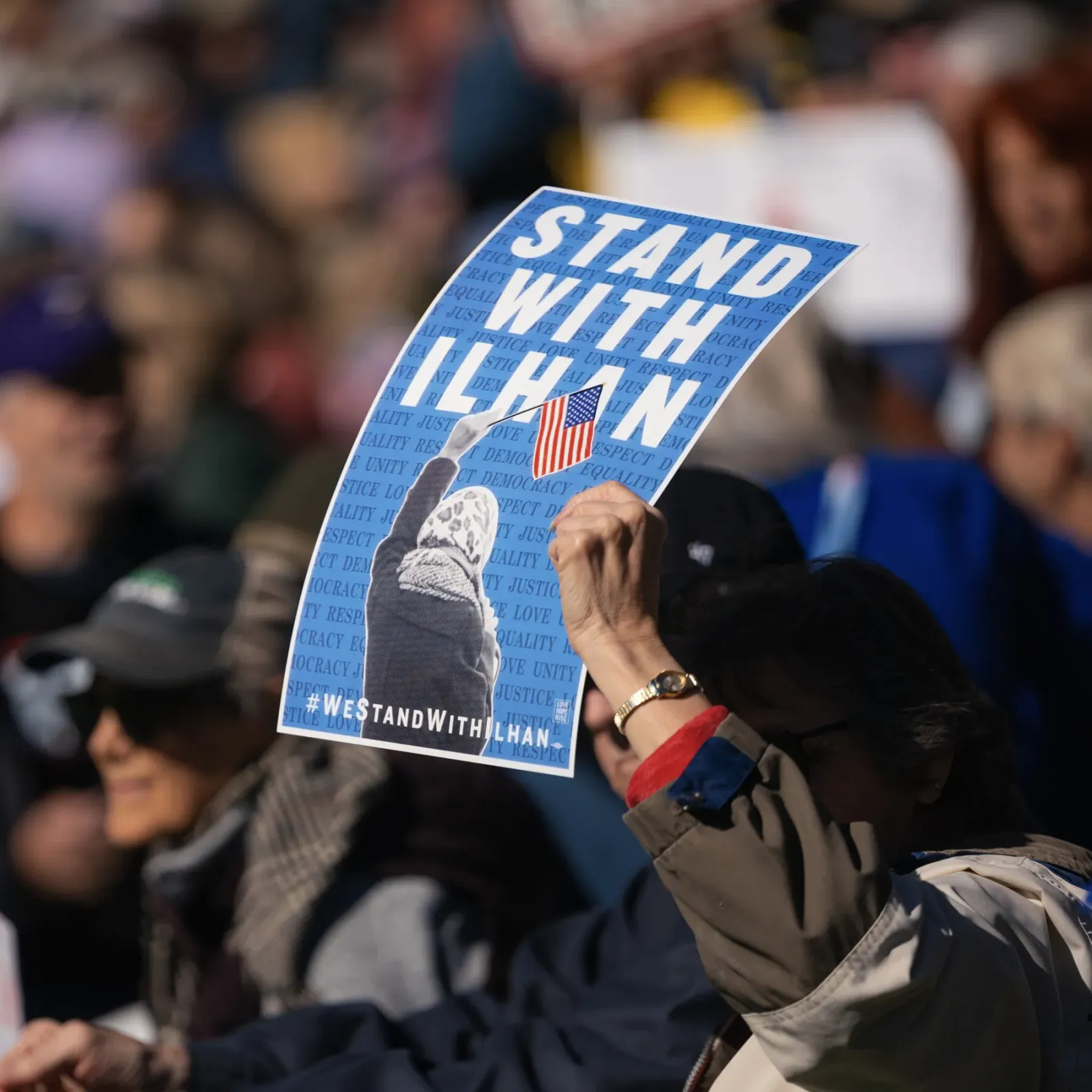
Obama Defends Ilhan Omar After Agents Search Her Home in Trump Inquiry
The former president's intervention raises the stakes in a federal probe into immigration paperwork that has put a prominent progressive lawmaker in the crosshairs.
Blair-era minister: cut welfare to fund youth job support
Alan Milburn's call for welfare cuts to fund employment support opens a Labour fight over benefits and the Neet crisis.
Hot September CPI: energy costs surge, voters feel the squeeze before midterms
The latest inflation print lands as Trump campaigns for GOP control of Congress, putting cost-of-living worries at the center of the midterm fight.