
Iran’s PGSA floats future “insurance fees” and maps a no-alternative Hormuz corridor
A transit insurance that’s free now could become a toll later, forcing shippers to price a new risk.
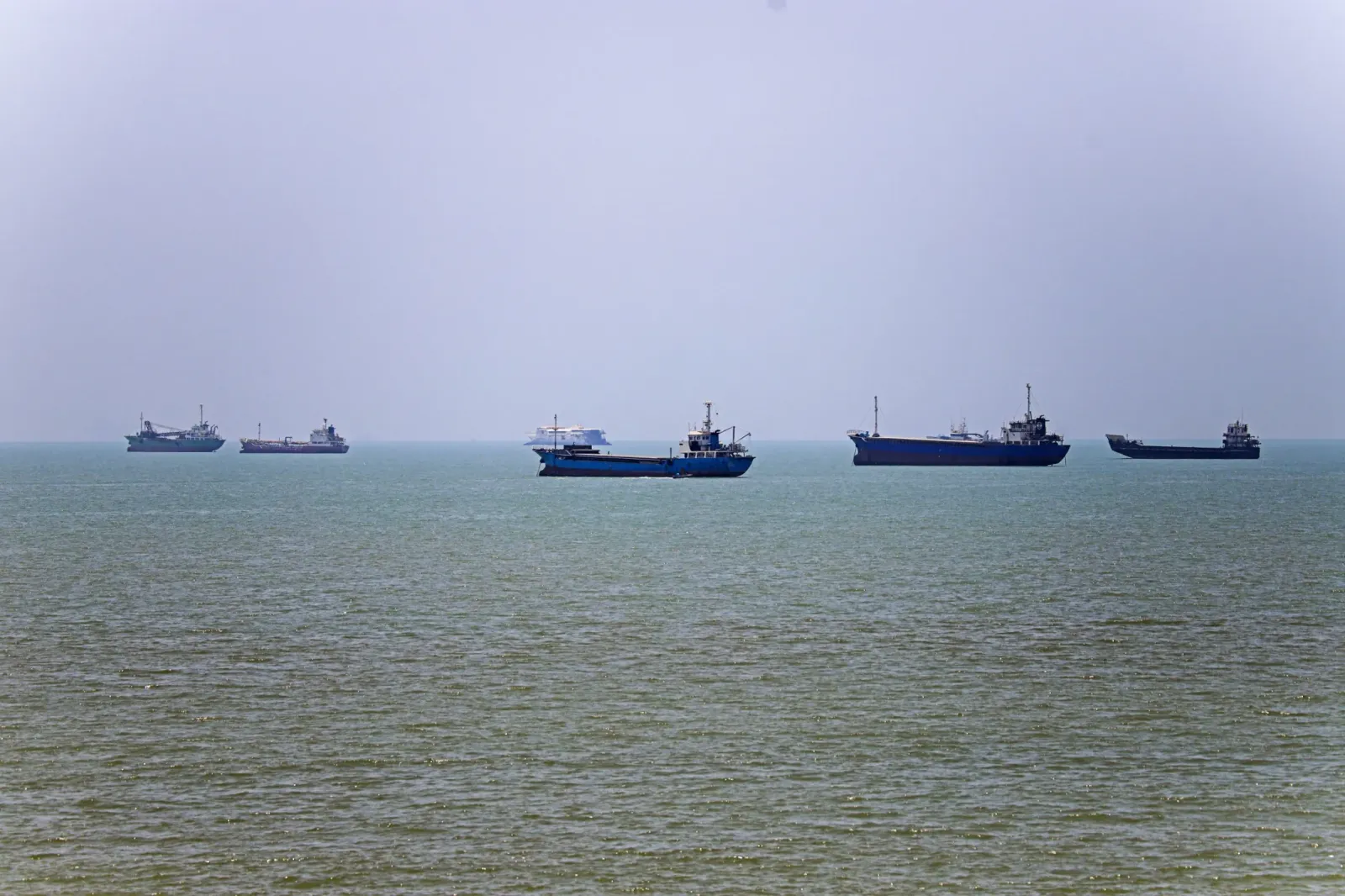
Iran’s Persian Gulf Strait Authority (PGSA) says ships must get a passage permit and follow its prescribed route through Hormuz. It also reserves the right to introduce future insurance fees, as the US says more than 20 vessels transited overnight with freedom of navigation.
Iran’s Persian Gulf Strait Authority (PGSA) is trying to reassert control of the Strait of Hormuz with a system that starts with paperwork and could end as pay-to-pass. In a document posted on its website, the PGSA says the insurance policy required by Iran is currently free, but it reserves the right to introduce “insurance fees” in the future. It also lays out a prescribed route that passes along Iran’s coast and says alternatives are prohibited.
The immediate clash is over signals and legitimacy. The US Central Command later said its forces would continue to operate to support freedom of navigation, “without any arbitrary requirement claims or impediments,” and stated that more than 20 vessels traveled through the waterway overnight, implying they did so with their signals off. Meanwhile, the number of ships crossing with signals on dropped Friday after an initial surge, following reports of a mine spotted near Oman’s coast. That mix of US pushback, Iranian procedural control, and fresh mine risk is exactly why shippers and oil producers are spooked: even a policy that is “free” today can become a toll problem tomorrow.
Here is the PGSA framework as described in the Iranian document. First, ships must submit requests to the PGSA to receive a passage permit. The document says the response is typically within 48 hours. Second, the permit authorizes one single transit through the strait, and it is valid for five days from issuance. Third, the PGSA published a map of the routes it considers safe, and it says any deviation from its fixed corridor would be “treated as a violation.” In other words, this is not just a compliance checkbox. It is an attempt to define what “safe” routing means and to make that definition hard to ignore.
The insurance piece is where the worst-case scenario comes into focus. The document states that, at present, the insurance is provided free of charge to the vessel owner, with all expenses covered by the Islamic Republic of Iran. But it adds a future-facing lever: the PGSA reserves the right to introduce insurance fees in the future, determined by the relevant insurer, and owners would then be required to purchase and renew coverage accordingly. For an industry that prices risk constantly, this matters because it changes the question from “Are we safe to transit?” to “What new cost will we face if the rules harden?” That is the specific anxiety reflected in the story: many shippers and producers fear Iran is moving toward tolls on one of the world’s most important energy chokepoints.
The backdrop is an interim peace deal between the US and Tehran aimed at reopening the strait for a limited window. The memorandum of understanding signed with the US said only that transit would be free for the duration of its 60-day term. That narrow promise is the problem. If the interim period ends and Iran leans on its PGSA mechanisms, the legal and commercial gap could be enormous, because shippers are unlikely to treat “free now, fees later” as a temporary inconvenience. They will treat it like a future pricing model.
Industry concerns are not theoretical. The story reports that US allies led by the UK are pushing the Trump administration to not accept or normalize Iran’s attempts to introduce fees to pass the strait. The industry has warned that tolls would break with international maritime law and set a dangerous precedent that could be mirrored in other waterways. That matters beyond Hormuz. If a chokepoint can be reframed as a governed corridor with mandatory routing and future insurance charges, other regions with strategic waterways could face similar playbooks. Boards and risk committees for tanker owners, trading houses, and upstream exporters should take note: this is about precedent as much as it is about one strait.
On the ground, the shipping picture is also messy. Western naval groups recommended the corridor along Oman’s waters as the main transit route, a signal that parallel lanes could open up while a central Hormuz corridor is cleared of mines. Tankers with enough capacity to transport at least 20 million barrels of oil were detected leaving the Iranian port of Chabahar on the Gulf of Oman this week. At the same time, Western naval forces published coordinates of the route they recommend and said maps of the latest known mine positions are available on request. Pakistan’s navy reported that a mine had been spotted near Oman’s coast, adding to the jeopardy of using the non-Iranian route.
There is also a live operational tension between “dark” shipping and compliance theater. The story notes that even before the peace deal, a growing number of ships were traveling “dark” through Hormuz with guidance and protection from the US. Some ships reported hearing radio broadcasts from Iran that the waterway was closed Thursday, prior to a ceasefire deal between Israel and Hezbollah on Friday; Iran’s foreign ministry denied that the strait was closed. Visible oil flows were more muted than Thursday, though at least two Indian supertankers were crossing. Millions of barrels have transited dark in recent weeks, which means the visible tally could understate reality.
Finally, the PGSA itself is a governance wrinkle for commercial decision-making. The PGSA was created by Iran during the war but has since been sanctioned by the US. Iran’s neighbors have rejected its legitimacy and told shipowners not to interact with the body. The document, therefore, may not reassure vessel owners who are already seeking clarity. The story also reports very limited demand to book tankers to load oil from ports in the Persian Gulf, a step that would need to happen for shipments from export installations. In practice, uncertainty over transit rules and potential future charges can chill bookings, slow coordination, and turn a chokepoint decision into a balance-sheet issue. For executives across shipping, energy trading, and financing, the strategic stakes are simple: Hormuz is not just geography. It is a rules game, and the PGSA is trying to move the goalposts from “permit and free insurance” to “permit and future fees.”
This story's Key Insights and Take-aways are locked.
Create a free account to unlock Executive Actions for one credit.
Register to UnlockAlways free for Executives Club members. Join the Club
More in Business
Accenture’s $4.18bn play fails as AI fears spark a 20% worst-ever stock plunge
On Thursday, Accenture hit its biggest one-day drop on record after forecasting worries that AI could hollow out consulting.

SpaceX stock jumps 3% after it overtakes Amazon’s market cap
CNBC says SpaceX’s shares surge following its IPO Friday, forcing investors to reprice what “space” and “AI” are worth.
SpaceX’s first options day breaks U.S. records after a $85B IPO win
Big IPO, bigger options debut: what it means for investors, risk teams, and anyone benchmarking market appetite.