

Iran’s upper hand tightens the squeeze on Washington’s exit options
A shifting balance with clear consequences for how the U.S. can unwind its involvement without making things worse.

The Foreign Policy piece frames how Iran gained the upper hand and what that shift means for Washington’s options. For decision-makers, the central consequence is that the window for a clean exit shrinks as leverage moves away from the U.S.
Foreign Policy’s core point is blunt: Iran gained the upper hand, and that changes what Washington can realistically do next. The practical question the article centers on is not abstract strategy. It is the tradeoff between staying involved in a “quagmire” and extracting the U.S. from it without triggering a worse outcome.
To understand why “upper hand” matters, you have to map leverage the same way executives map cash and control. In any long conflict, the side with leverage gets to set the agenda: what counts as progress, what concessions mean, and what timelines are credible. When leverage shifts toward Iran, Washington’s maneuver space shrinks. The article’s headline concept immediately turns into a decision problem for policymakers, similar to how a board faces a restructuring when a company’s bargaining power deteriorates. Your options do not disappear because someone says so. They disappear because the other side now has fewer reasons to compromise on your terms and more reasons to hold out for theirs.
Even if the word “quagmire” is doing a lot of rhetorical work, the underlying logic is steady. Washington’s involvement becomes self-reinforcing. Commitments, political scrutiny, alliance management, and domestic constraints all create friction. Each additional step taken to reduce uncertainty can also harden the path, making it harder to reverse course cleanly. If Iran’s leverage is rising, the U.S. cannot treat exit as a simple “end the program, move on” switch. It becomes a negotiation over the terms of disengagement, and negotiation requires leverage on your side. When you lack it, you pay more, take more risk, or accept worse sequencing.
There is also a regulatory and financial-adjacent reality to this kind of struggle, even when the story is primarily about politics. Sanctions policy, enforcement priorities, and compliance regimes shape what money and goods can move, and they do so with real second-order effects. Companies and banks do not just ask “is something legal?” they ask “can we defend this decision under scrutiny later?” When the strategic balance moves, regulators and compliance teams often respond by tightening interpretation to manage risk. That can either help a policy goal or unintentionally deepen the economic strain on partners and counterparties who then become less cooperative.
That is the “quagmire” problem in a nutshell: policy tools designed to pressure an opponent can also entangle Washington in ongoing cycles of enforcement, monitoring, and contingency planning. Each cycle creates more institutional momentum. More staff. More coordination. More announcements. More stakeholders whose incentives are not aligned with simply walking away. So when Foreign Policy points to Iran gaining the upper hand, it is warning that the exit strategy faces resistance not just from Tehran, but from the entire system Washington has built around the confrontation.
Think about how this translates into the choices available to Washington. If Iran’s position improves, the U.S. has to weigh whether it can extract itself while maintaining credibility with allies and preventing escalation. Credibility is not a feelings metric. It is an operational one, because partners adjust their own planning based on what they believe the U.S. will do when costs rise. If Washington exits too abruptly, allies may hedge. If Washington exits too slowly, the U.S. becomes more trapped. The article’s framing implies that both directions have costs, and that the upper hand makes the “least bad” path harder to find.
For executives and investors watching from the outside, the second-order implication is simple: when geopolitical leverage tilts, the uncertainty premium rises. Markets hate uncertainty, especially when sanctions enforcement, shipping risk, insurance pricing, and compliance burdens can change faster than corporate planning cycles. Even without a direct mention of specific sectors in the provided source excerpt, the mechanism is the same across most geopolitics. A shift in bargaining power affects risk pricing and contingency costs. It also affects procurement timing and contract structures for companies with exposure to affected regions or counterparties.
Ultimately, the stakes in the Foreign Policy piece are about whether Washington can reduce its involvement without surrendering too much control over outcomes. Iran’s upper hand means the U.S. likely faces tougher terms for any disengagement. That is why “extract itself from this quagmire” is the real center of gravity. The policy endgame becomes a leverage problem, not a calendar problem. And when leverage shifts away from you, every option gets more expensive, more politically constrained, and harder to execute cleanly.
This story's Key Insights and Take-aways are locked.
Create a free account to unlock Executive Actions for one credit.
Register to UnlockAlways free for Executives Club members. Join the Club
More in Politics
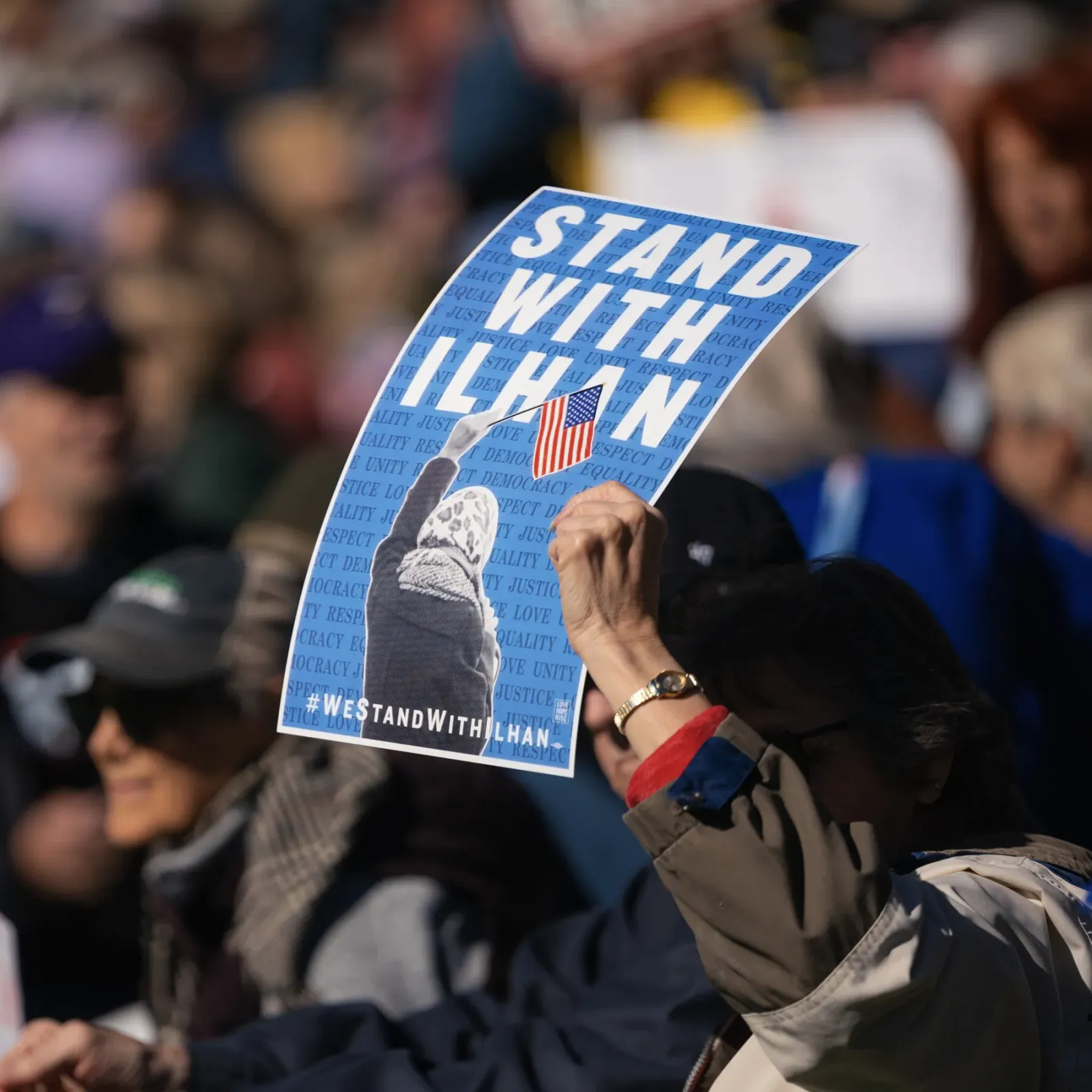
Obama Defends Ilhan Omar After Agents Search Her Home in Trump Inquiry
The former president's intervention raises the stakes in a federal probe into immigration paperwork that has put a prominent progressive lawmaker in the crosshairs.

Blair-era minister: cut welfare to fund youth job support
Alan Milburn's call for welfare cuts to fund employment support opens a Labour fight over benefits and the Neet crisis.
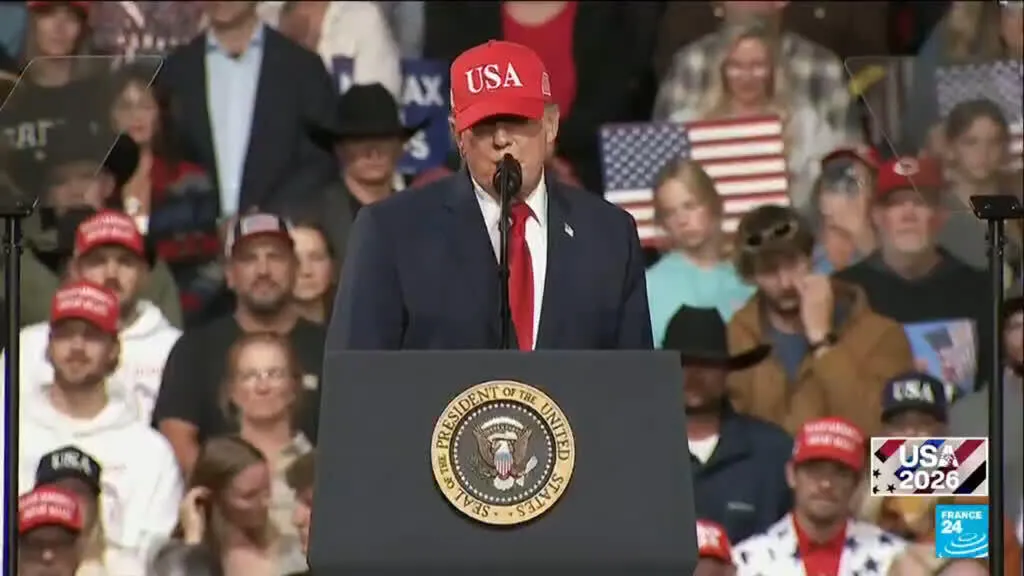
Hot September CPI: energy costs surge, voters feel the squeeze before midterms
The latest inflation print lands as Trump campaigns for GOP control of Congress, putting cost-of-living worries at the center of the midterm fight.