

Iron Maiden sells 50% of music and likeness rights to Pophouse, Rod Smallwood says
The Swedish firm behind ABBA Voyage and the KISS avatars buys half, funding future projects including Eddie online and cinema.
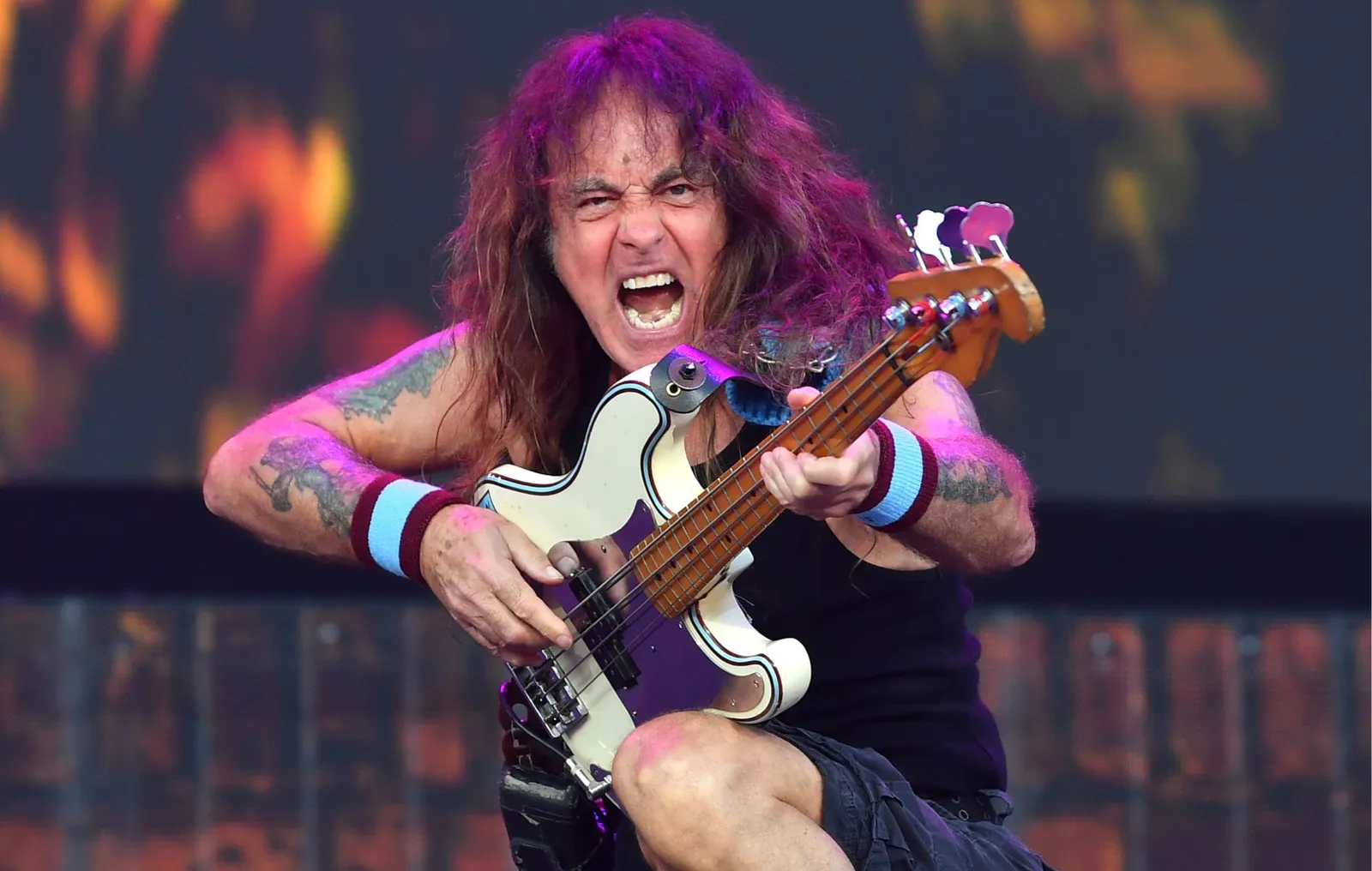
Iron Maiden has sold 50% of the rights to its music and its likenesses to Pophouse Entertainment, according to a press release confirmed by NME. Longtime manager Rod Smallwood says the deal will help the band pursue and finance future plans faster.
Iron Maiden just sold half of the rights to its music and likenesses to Pophouse Entertainment, and the deal is explicitly pitched as a faster path to new projects. The agreement covers 50% of the rights to the band’s music and 50% of its likenesses, including Eddie, the mascot. Terms were not disclosed, but the press release frames this as a strategic partnership already producing momentum, citing progress on the Infinite Dreams Museum and the filming of a current show.
Longtime Iron Maiden manager Rod Smallwood tied the logic to speed and execution. “I am very excited about our relationship with Pophouse and the ability we now have to pursue, facilitate, and finance our many plans and dreams quicker than we ever hoped,” he said. That quote matters because it reveals the incentive stack here: not just monetization, but capital and operational lift to turn IP into more than touring and releases.
So what exactly did Pophouse buy? NME reports that Iron Maiden sold a 50% stake in its music catalog, plus its name, image and likeness rights, including Eddie. Pophouse is described as an investment firm known for brand-building activities across music and entertainment, and the company is already a known quantity in this niche. It is behind ABBA Voyage in London, and it is also involved in upcoming avatar production with KISS.
This matters because entertainment rights deals increasingly look like a two-sided bet. On one side, bands and managers monetize assets they have already built, like a catalog and iconic characters. On the other, firms like Pophouse treat those assets as the input for a portfolio of products: live-show distribution, cinematic content, interactive experiences, and recurring digital engagement. In this case, NME says future projects between Iron Maiden and Pophouse will include cinematic projects, filming live shows, and building more toward an online platform for Eddie.
The partnership is not starting from zero. NME points to a previous collaboration: the band and Pophouse worked together on a collection at the Infinite Dreams Museum that explored Iron Maiden’s history. The new sale, per the reports, is now tied to expanding that story into more formats. Iron Maiden has already experimented with Eddie-themed gaming, developing a small computer game around the release of ‘The Final Frontier’ in 2010, and also releasing mobile games. NME also notes that the Phantom Music team, behind the games, encouraged the band to “take chances” in developing Eddie and the worlds he inhabits, including horror, gaming, or comic books.
Co-manager Dave Shack adds another clue about how these rights are meant to perform. NME reports he said that the band provides the cornerstone of what Maiden is, and that the Phantom Team focused on developing parts of Maiden lore that fans will embrace. He also describes the IP as a “sandpit” for creative development and says Pophouse has shown it “belong[s]” in that environment. For boards and investors watching this space, that language is basically governance shorthand: the value here is not only in ownership, but in the partner’s ability to keep creating new entry points for fans.
From a market and structure perspective, deals like this are happening in a world where entertainment IP can be treated like a financial asset, but still needs constant content to stay alive. Even where regulators are not directly “approving” such private deals, the underlying theme is the same as in other asset monetizations: complex rights ownership can affect downstream licensing, distribution, and brand control. NME doesn’t disclose terms, so decision-makers should assume the economics and rights boundaries are carefully negotiated, especially when the purchased assets include both audio and likeness-based properties like Eddie.
Strategically, there is also timing. NME says the partnership has been quietly worked on for over a year. At the same time, Iron Maiden has been active on the live circuit: it recently wrapped up European dates as part of the ‘Run For Your Loves’ tour, and the band is set to head across the pond with Megadeth and Anthrax as support. Meanwhile, the band was forced into a shortened set in Paris due to a massive power cut caused by heatwaves, and frontman Bruce Dickinson said the set was being recorded for a concert film and that the band was looking for a way to get the project finished despite the hindrances.
Finally, consider the credibility and optics component. Iron Maiden is among the inductees for the 2026 Rock N Roll Hall of Fame, alongside Phil Collins, Billy Idol, Joy Division / New Order, Oasis, Sade, Luther Vandross and Wu-Tang Clan, though the band has made it clear it will not be attending. In other words, this is not a quiet brand moment. It is a rights-and-content moment, and Pophouse is positioning itself to scale Maiden’s ecosystem beyond the traditional album-and-tour loop.
For executives and operators in music, media, gaming, and brand licensing, the takeaway is plain: Pophouse is pairing a proven template from ABBA Voyage and avatar production with a high-recognition metal IP, then using disclosed fan-facing product plans to justify the capital move. If you are on a board reviewing IP monetization, the real question is not whether bands can sell rights. It is whether the buyer can reliably turn rights into new demand loops without diluting the brand that made the rights valuable in the first place.
This story's Key Insights and Take-aways are locked.
Create a free account to unlock Executive Actions for one credit.
Register to UnlockAlways free for Executives Club members. Join the Club
More in Business

Uber buys Delivery Hero for nearly $15B, vaulting to top food delivery outside China
The deal doubles Uber's dual-services footprint and pushes a ride-and-eats bundling play into 50 more markets.

Epic and Google drop settlement bid, forcing rival Android app stores by July 22
Google told the court it is ready to carry third-party app stores starting Wednesday, July 22.
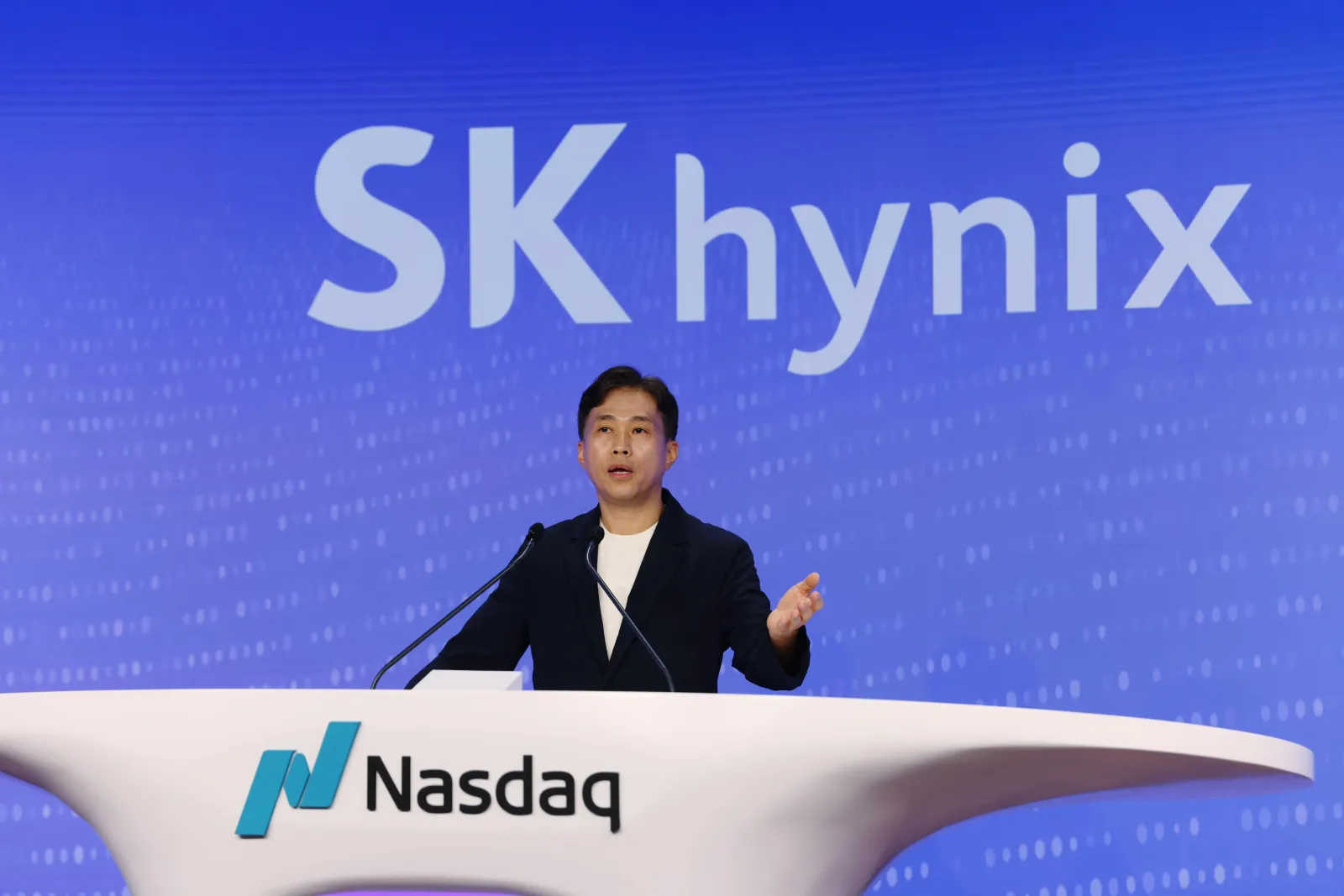
SK Hynix opens at $170, raises $26.5B, and tops foreign IPO records
In Friday's Wall Street debut, SK Hynix turns AI RAM demand into a $26.5B fundraising moment that rewrites comps.