

Japan chip equipment suppliers see 10% China sales drop, Nikkei reports
A double-hit for exporters: weaker China demand meets tightening controls, reshaping revenue expectations and capacity planning.
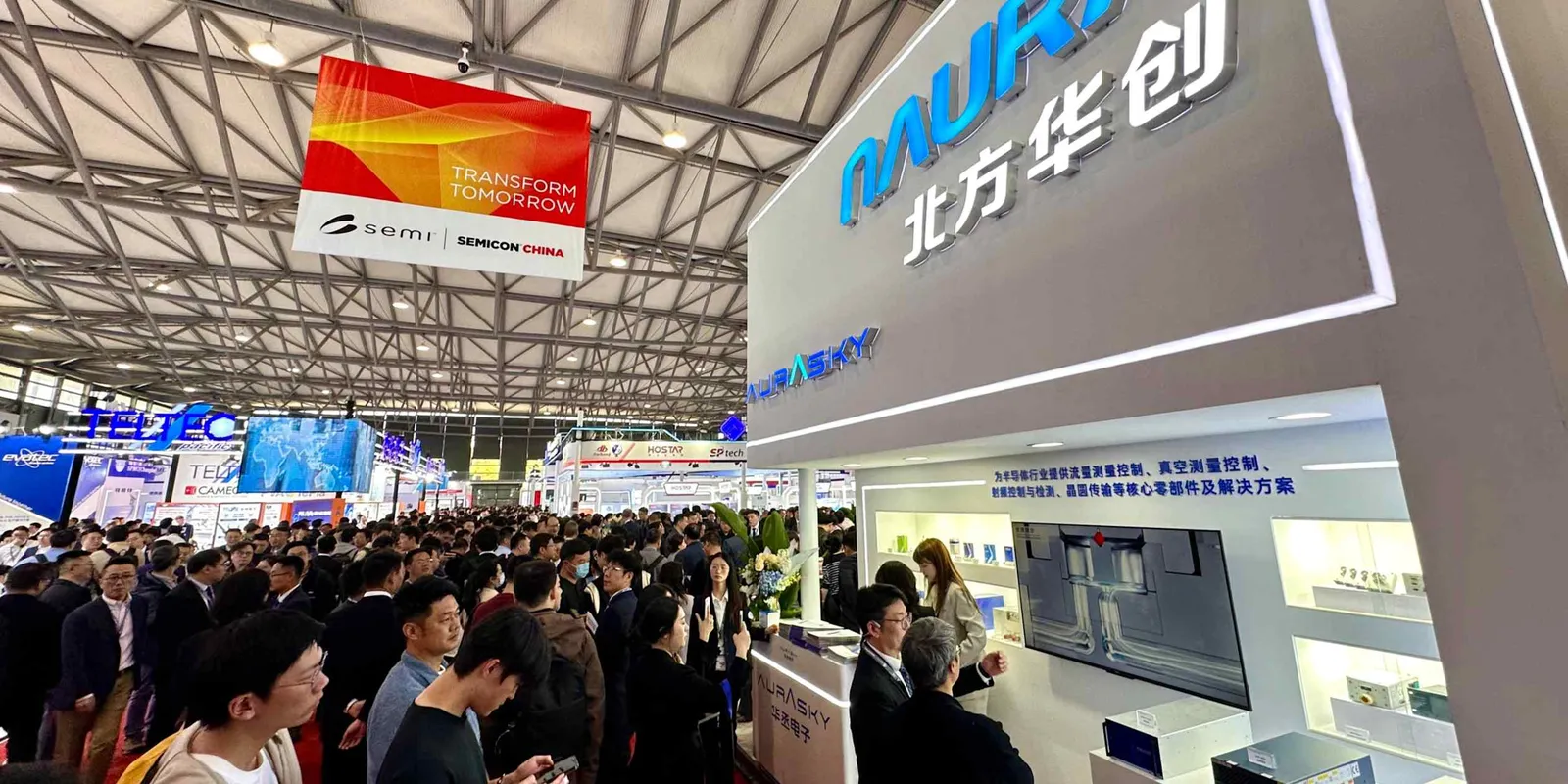
Japan-based chipmaking equipment suppliers reported a 10% drop in sales to China, Nikkei Asia reported. For decision-makers, the signal is clear: China is becoming less reliable for near-term equipment revenue, even as global chip spending stays uneven.
Japan chipmaking equipment suppliers are staring at a fresh revenue reality check. According to Nikkei Asia, these suppliers reported a 10% drop in China sales. That number matters because equipment orders are not like discretionary consumer purchases. They are lumpy, scheduled, and tied to manufacturers' capex plans, which means a drop like this can quickly ripple into factory utilization, hiring, and future order books.
The headline is about the direction and the magnitude, but the bigger story is what it implies about China as a market for high-end manufacturing gear. Chipmaking equipment suppliers sell the tools that turn wafers into chips, and when a country’s downstream demand softens or gets constrained by policy, equipment demand tends to follow. A 10% decline in China sales signals that either fewer machines are being bought, earlier schedules are being deferred, or procurement is being rerouted. Even without granular quarter-by-quarter details in the report, the key takeaway for executives is the same: the China revenue line is moving in the wrong direction.
To understand why, it helps to remember how chip equipment markets typically behave. Semiconductor manufacturing is expensive and highly staged. Companies invest in process nodes and production lines based on expected chip demand, yield targets, and competitive pressure. Equipment suppliers, in turn, forecast based on the cadence of those investments. When a major buyer region shifts its spending posture, suppliers often feel it twice: first through reduced orders, and later through changes in upgrade cycles and replacement demand. So a 10% fall in China sales is not just a headline metric. It can reshape the timing of the next wave of shipments.
Then there is the policy backdrop. Over the last few years, export controls and related restrictions have become a structural variable in semiconductor supply chains. Even when end users in a target market want to expand output, their ability to source certain technologies and equipment can be constrained. That doesn’t require an explicit blanket narrative to have impact. In practice, firms adapt by changing sourcing strategies, prioritizing different capabilities, or waiting for pathways that remain accessible. For Japanese equipment suppliers, that policy environment raises the probability that China demand will be uneven, and that some portion of planned capex either gets delayed or gets substituted.
Board-level implications follow naturally from the revenue math. Equipment companies often operate with long sales cycles and complex qualification processes. If China sales are down 10%, leadership has to ask whether it is a temporary dip driven by procurement timing or something more persistent. That distinction influences decisions on capacity allocation, inventory strategy, and R&D prioritization. It also affects how management talks about guidance and how investors interpret margins. In this kind of market, a regional slowdown can be offset by other geographies, but only if those regions are in a buying phase at the same time.
There is also a competitive angle. When one region tightens or slows, competitors that are positioned to serve alternative demand can gain share, sometimes quietly. Suppliers with diversified customer bases, local service capabilities, or flexibility in product offerings may be better able to absorb shocks. Meanwhile, firms with higher dependence on China revenue may find themselves under greater pressure to rebalance their order book. Executives should treat this 10% figure as a prompt to stress-test customer concentration and to revisit scenario planning, not as a one-off data point.
For peers across the chip equipment value chain, the strategic stakes are straightforward: China has been a major node in global manufacturing investment, and equipment demand usually follows the direction of that investment. A 10% drop in China sales reported by Nikkei Asia suggests that near-term confidence in that market is weakening. If that pattern persists, suppliers could face a broader reshuffling of where incremental manufacturing capacity is sourced. The executives who respond fastest will be the ones who align their next capex cycle, their sales coverage, and their product roadmap with a world where China demand is less predictable.
This story's Key Insights and Take-aways are locked.
Create a free account to unlock Executive Actions for one credit.
Register to UnlockAlways free for Executives Club members. Join the Club
More in Business

A flaw in PHP just forced governments to pull their own sites offline
European agencies from Belgium to Germany took websites dark to patch a critical weakness in the language behind almost 70% of the web, and the blast radius extends far beyond government portals.

BioWare shuts down, Mass Effect 5 dead after $55B EA buyout
The legendary RPG studio's closure lands months after a $55 billion investment group buyout of EA, raising tough questions for gaming's biggest acquirers.

Musk weighs Tesla-SpaceX mega-merger as boards form review panels
Special committees at both companies will examine a tie-up that could fuse electric vehicles and space launch, forcing a fresh look at governance and valuation.