
Japan revives fast breeder reactor push as China, Russia lead the race
Tokyo's renewed interest in next-gen fast breeder reactors comes as Beijing and Moscow dominate the technology - here's what it means for Japan's energy security and the global nuclear race.
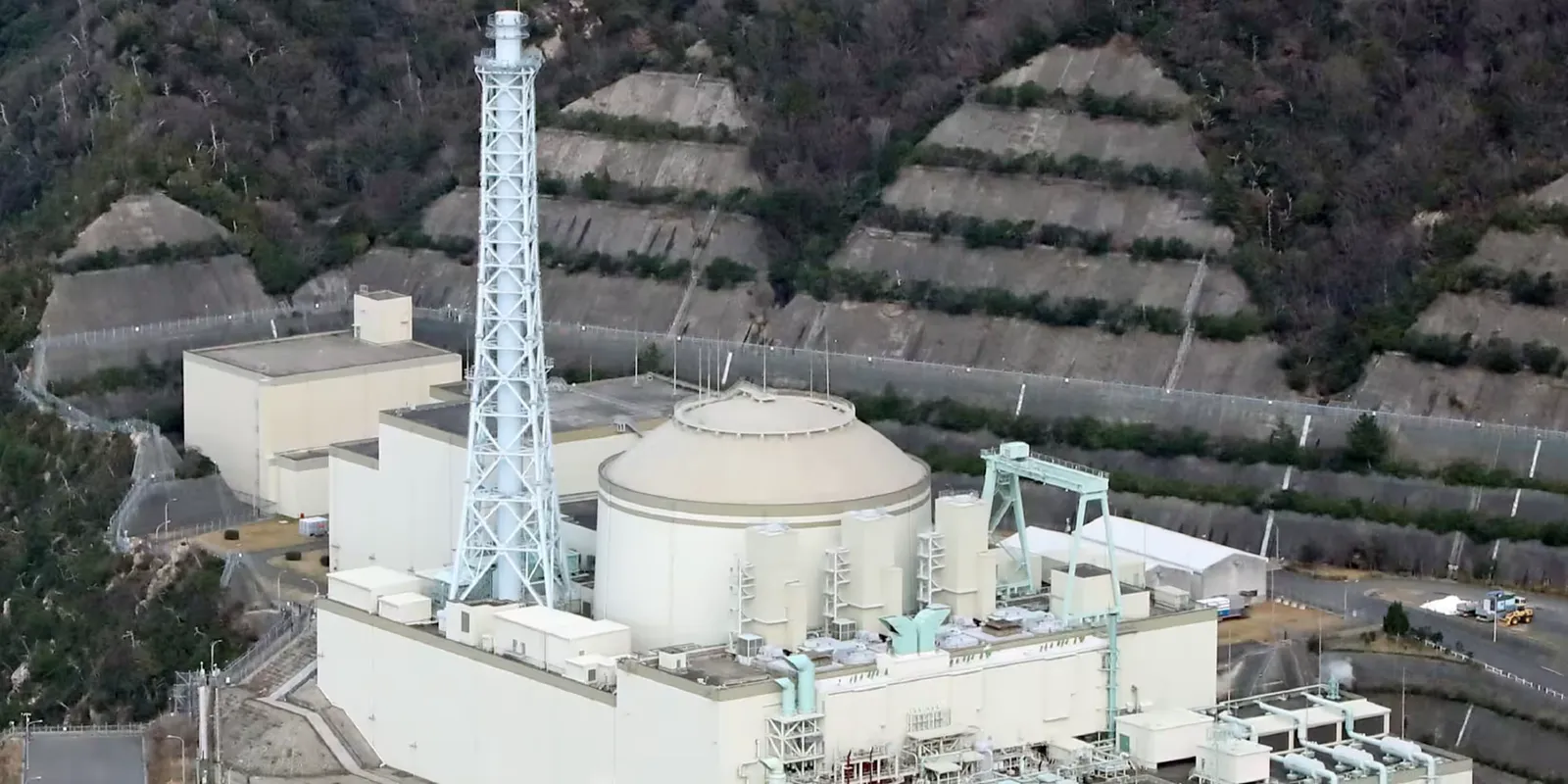
Japan's government is signaling a renewed push for next-generation fast breeder reactors, a technology where China and Russia currently hold the lead. For decision-makers, this signals a potential shift in Japan's nuclear energy strategy, with implications for supply chains, energy independence, and geopolitical competition.
Japan is quietly reviving its interest in next-generation fast breeder reactors, a technology that China and Russia have already turned into a strategic advantage. The move marks a notable reversal for a country that largely retreated from nuclear power after the 2011 Fukushima disaster, and it signals that Tokyo sees atomic energy as a critical piece of its long-term security and climate strategy.
Fast breeder reactors are not your grandfather's nuclear plant. Unlike conventional light-water reactors, they are designed to "breed" more fissile material than they consume, potentially extending the world's uranium supply by orders of magnitude and reducing the volume of long-lived radioactive waste. That promise has made them a holy grail for nuclear engineers - but also a notoriously difficult technology to master, as Japan learned the hard way with its Monju prototype, which was plagued by accidents and ultimately shut down in 2016 after decades of struggle.
The renewed interest comes as Japan's energy calculus has shifted dramatically. The country imports nearly all of its fossil fuels, and its reliance on liquefied natural gas has left it exposed to price shocks and geopolitical tensions. At the same time, Tokyo has committed to net-zero emissions by 2050, a goal that is nearly impossible to meet without a significant nuclear component. After years of idling reactors and facing public opposition, the government has begun to warm to nuclear power again, and fast breeder reactors are now part of that conversation.
The competitive landscape is stark. Russia has operated fast breeder reactors for decades, with the BN-600 and BN-800 units at the Beloyarsk plant, and it has used that experience to market its technology abroad. China, meanwhile, has been building its own fast reactor program at a breakneck pace, with the CFR-600 under construction and plans for a commercial-scale unit. Both countries see fast reactors as a way to secure fuel supplies and export nuclear technology, giving them geopolitical leverage that Japan currently lacks.
For Japan, the challenge is not just technological but institutional. The country's nuclear regulator, the Nuclear Regulation Authority, was created after Fukushima with a mandate to prioritize safety above all else, and it has been cautious about approving new designs. Public opinion remains skeptical, and the cost of developing a new reactor type is enormous. Yet Japan retains a deep bench of nuclear expertise, and its industrial giants - Mitsubishi Heavy Industries, Toshiba, and Hitachi - have decades of experience in reactor design and construction.
The strategic stakes are high. If Japan can develop a viable fast breeder reactor, it would reduce its dependence on imported uranium and fossil fuels, strengthen its energy security, and potentially create a new export industry. But if it falls further behind China and Russia, it risks ceding leadership in a technology that could define the next era of nuclear power. That would have implications not just for Japan's energy mix, but for its position in the global competition for clean energy technology.
For executives and policymakers, the signal is clear: Japan is preparing to re-enter the nuclear race, but it is starting from a deep deficit. The window for catching up is narrow, and the costs are high. Companies in the nuclear supply chain, from fuel cycle specialists to engineering firms, should watch for policy signals and procurement opportunities. At the same time, investors should be cautious: fast breeder reactors have a long history of cost overruns and delays, and Japan's track record is not encouraging.
Ultimately, Japan's move is a bet on the future of nuclear energy - and a recognition that the technology is too important to leave to its rivals. Whether Tokyo can turn ambition into operational reality remains to be seen, but the direction is unmistakable. For a country that once led the world in nuclear innovation, the race is back on.
This story's Key Insights and Take-aways are locked.
Create a free account to unlock Executive Actions for one credit.
Register to UnlockAlways free for Executives Club members. Join the Club
More in Business

Apple unveils first foldable iPhone Duo with 7.6-inch display under new CEO Ternus
Apple's first foldable, the iPhone Duo, marks a major product bet for new CEO John Ternus, with a 7.6-inch unfolded screen.
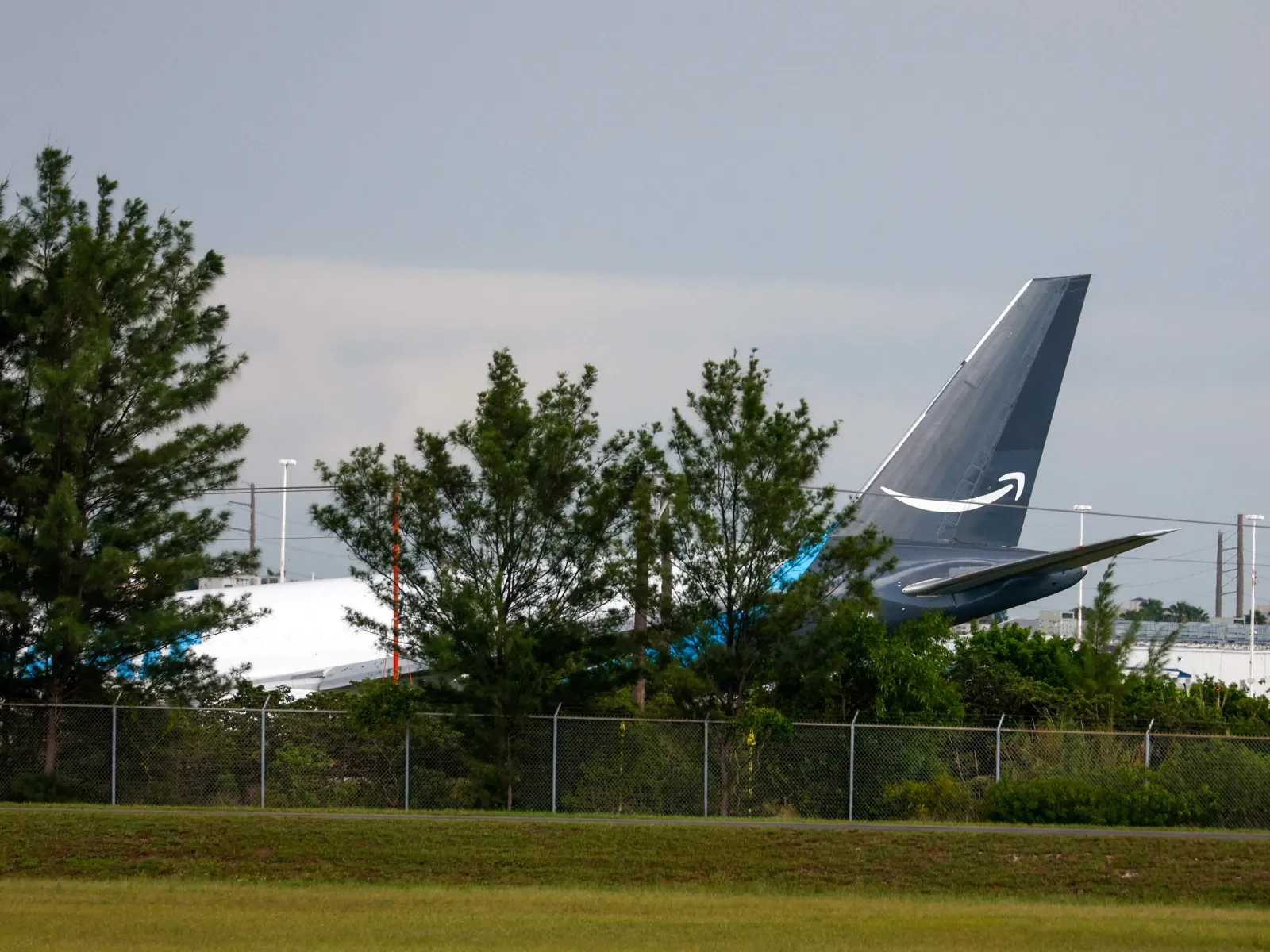
Amazon Prime Air 767 overshoots Miami runway, killing at least 5
The Boeing 767 freighter from San Juan struck vehicles and erupted in flames, prompting a ground stop and a fresh NTSB investigation into Amazon's air cargo network.
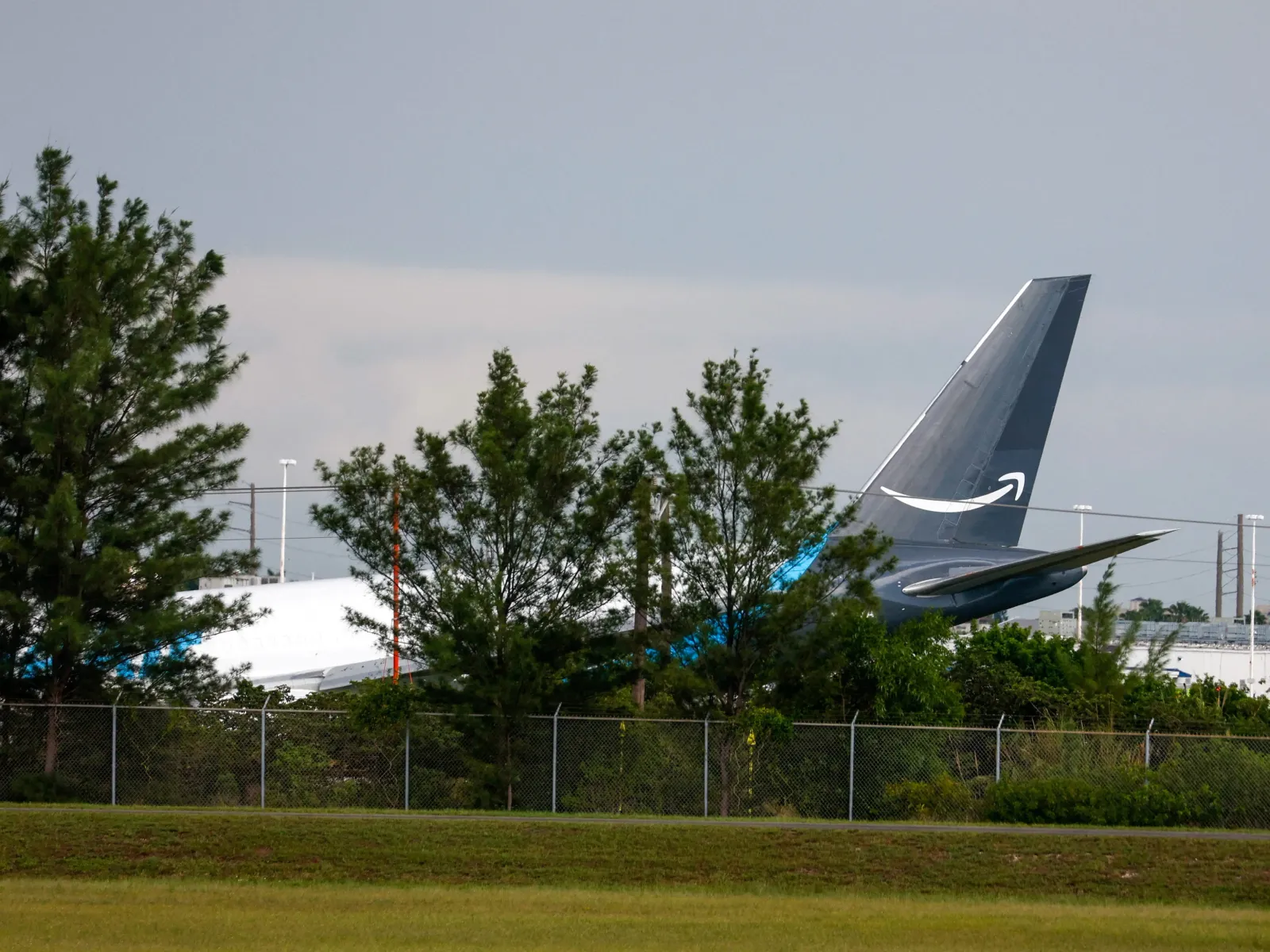
Amazon Prime Air 767 overshoots Miami runway, strikes vehicles, catches fire
The Boeing 767, operated by 21 Air, was arriving from San Juan when it overshot the runway, triggering a ground stop and multiple injuries.