
Japan’s ghost investigators boom as violent-death homes stay unsellable and hard to rent
In Japan, sudden or violent deaths trigger superstition fears, pushing property owners to hire “ghost investigators” to reassure buyers.

In Japan, many people hesitate to buy or rent homes where a sudden or violent death has occurred. To reduce that stigma and reassure prospective tenants and buyers, property owners are calling in “ghost investigators.”
Japan has a real estate problem that does not show up on a balance sheet, but still hits the balance sheet anyway: superstition around death. Many Japanese people are reluctant to buy or rent homes where a sudden or violent death has occurred. That reluctance can turn a normal property transaction into a prolonged scramble, with owners searching for ways to make the home feel “safe” again.
The response is getting specific. Property owners are calling in “ghost investigators” to reassure prospective buyers and tenants after such incidents. The point is not subtle. Instead of treating the event as purely legal or purely physical, owners try to address the fear that lingers in the minds of potential renters and buyers.
To understand why this matters beyond folklore, look at how housing markets typically work. Buyers and tenants do not just price a property by square meters and location. They also price uncertainty, including uncertainty about livability, safety, and reputation. In many countries, that reputation risk shows up as “neighborhood vibe” or “property stigma.” In Japan, the source of stigma can be explicitly tied to superstition about what happened inside the home.
When enough people in the same market treat a scenario as emotionally disqualifying, the friction becomes structural. A home that might otherwise clear quickly can sit longer, forcing owners to either lower expectations, adjust terms, or attempt to change perceptions. Hiring “ghost investigators” is essentially an attempt to reduce perceived risk and unblock the transaction. In practical terms, it is a reputational intervention with a cost attached.
This is where incentives get interesting for executives and decision-makers. Property owners are not doing this because they are documenting “paranormal outcomes.” They are doing it because prospective counterparties are behaving differently. If demand dips because of a reported or remembered death inside the property, then time-to-occupancy and time-to-sale become economic variables. Longer vacancy periods can increase carrying costs. Delayed sales can tie up capital that could be used elsewhere. Even if the legal status of the property is clear, the willingness to sign a lease or purchase can be the real constraint.
There is also a second-order implication for anyone advising on risk. In many boardrooms, the risk conversation focuses on tangible factors. Here, the constraint is human belief and human psychology. That means due diligence for housing transactions may need to include more than standard physical inspection. If market participants treat these events as disqualifying, then reputation risk can behave like a market risk: it can spread, it can affect pricing, and it can change over time depending on what information circulates.
For investors, brokers, and property management companies, the hiring of “ghost investigators” signals something else: sellers and landlords are willing to spend to manage perception. That can create new service ecosystems around property-related counseling, investigation, and reassurance. It can also shape how listings are communicated, how agents prepare clients, and how property teams handle sensitive histories, even if the underlying facts are the same across homes.
Finally, zoom out to strategic stakes. If superstition-driven reluctance can move demand for certain homes, then housing markets are not purely rational markets. They are markets where narrative, fear, and reassurance matter. Executives and board members overseeing real estate portfolios should treat these belief-driven frictions as real operational risks, because they influence liquidity. And if the only way to restore liquidity is to change perceptions with specialized intervention, then the “cost of stigma” becomes a recurring business variable, not a one-off curiosity.
This story's Key Insights and Take-aways are locked.
Create a free account to unlock Executive Actions for one credit.
Register to UnlockAlways free for Executives Club members. Join the Club
More in Politics
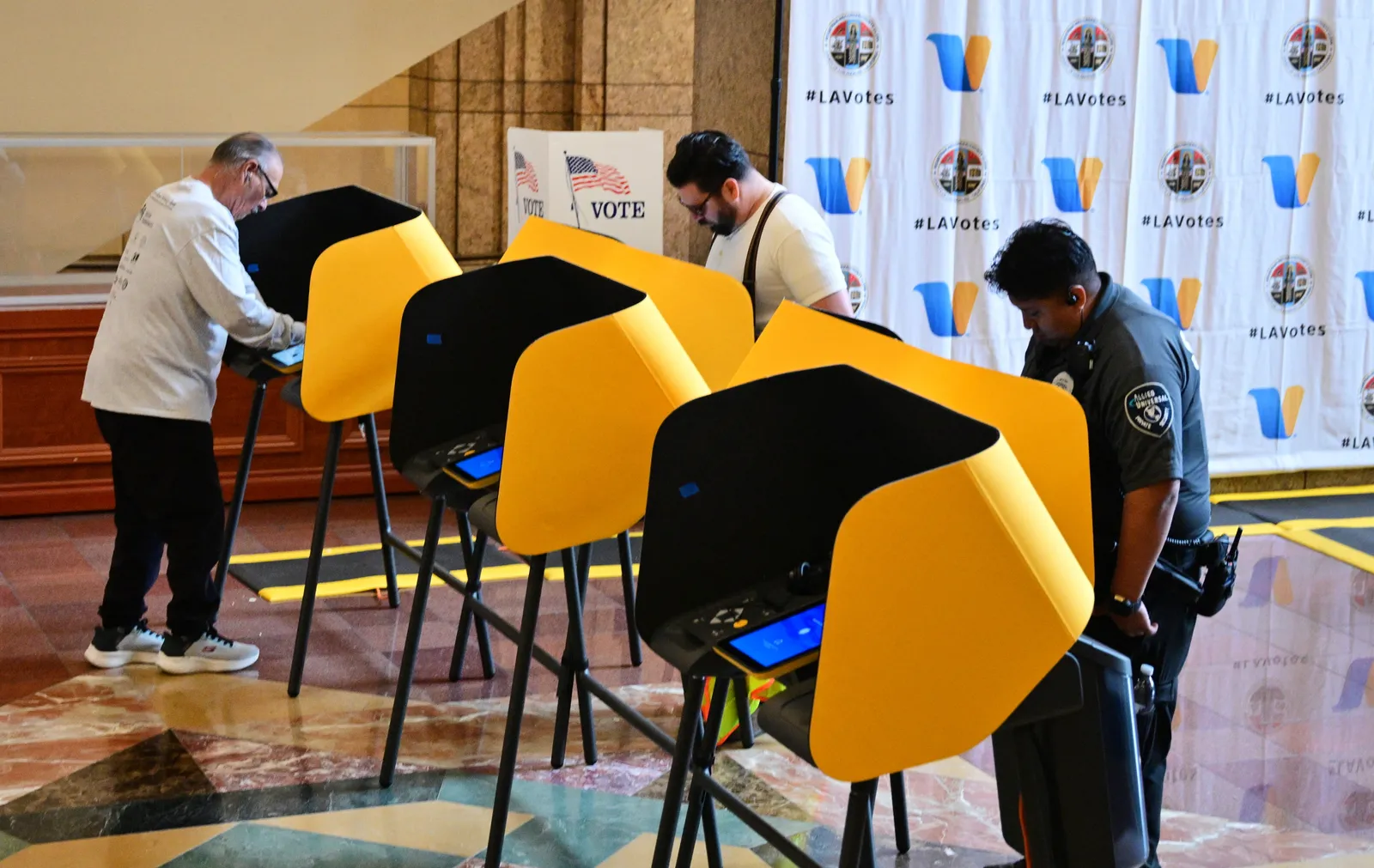
LA County: DOJ's 20,000 'noncitizen' voter list is 'unreliable,' includes U.S.-born
Preliminary review by Los Angeles County election officials finds errors in the federal list, raising the stakes for voter roll integrity ahead of November.

Trump's $1.5B Pentagon chip investment lands in North Carolina
A $1.5 billion defense infusion for North Carolina chipmaking signals a new era of Pentagon-backed reshoring - here's what it means for the industry.

Nigeria confirms first Ebola case in Abuja, a woman just off a Uganda flight
Health Minister Muhammad Ali Pate says the patient flew in from Uganda, putting Africa's latest outbreak on Nigeria's doorstep.