
Japan vending operator targets anime fans for higher-margin “gold” revenue
The move uses fandom as demand fuel, betting novelty drink drops can outperform traditional machine-only sales.
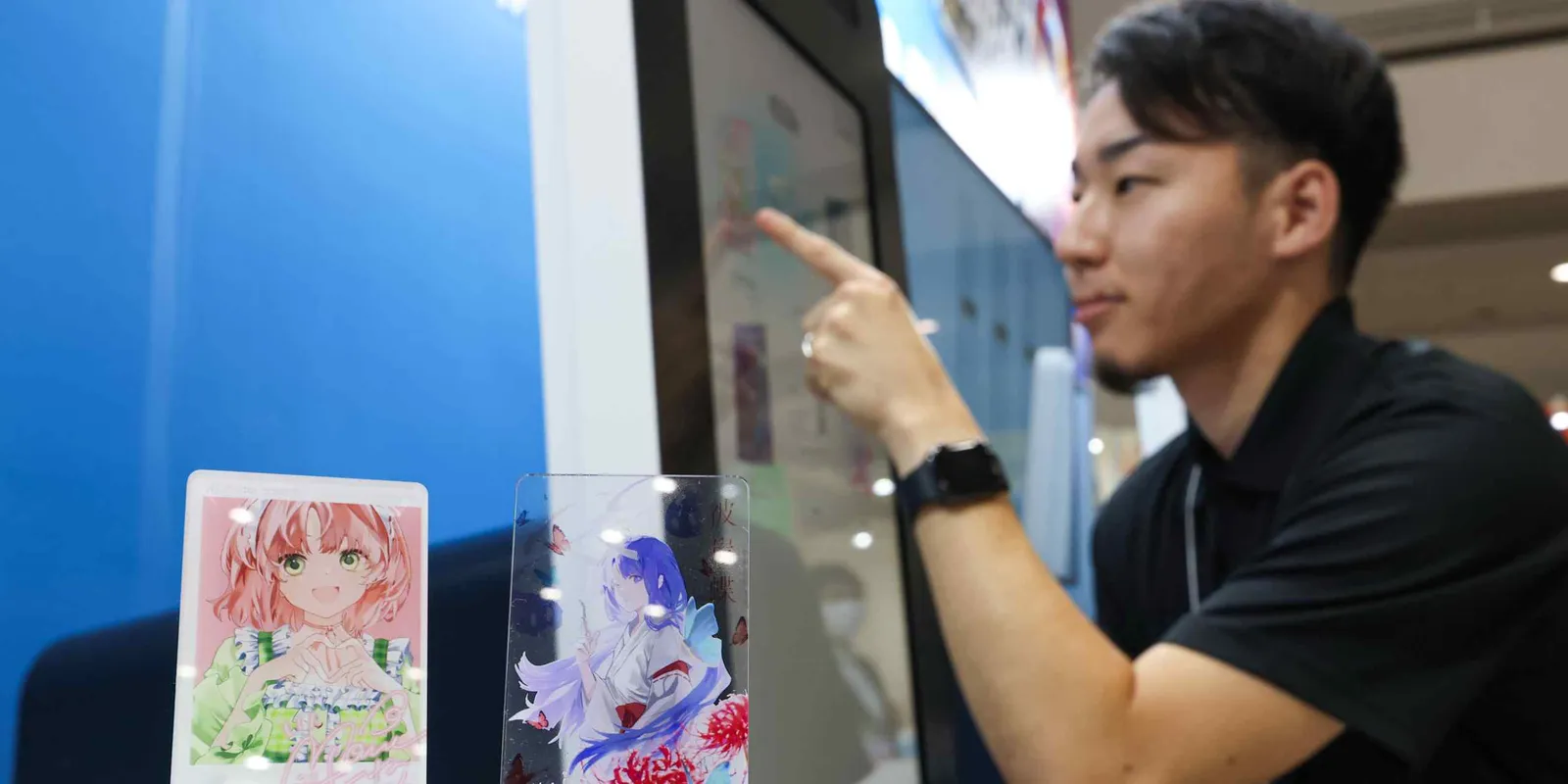
Japan’s vending machine operator is leaning into anime fandom to drive more lucrative sales, according to Nikkei Asia. For executives, the big question is whether entertainment-based vending can turn foot traffic and brand licensing into repeatable profit.
Japan’s vending business is about as “automatic” as it gets. Machines sit there, night after night, dispensing drinks and snacks with near-zero friction. So when a vending operator decides to “strike gold” with a niche community like anime fandom, it is not a random marketing tweak. It is a bet that the most crowded, competitive retail category in Japan can still be engineered into something closer to collectible commerce.
Nikkei Asia reports that a Japan vending machine operator is looking to capitalize on anime fans, using anime-related themes to attract attention and boost sales. The core idea is simple: instead of relying only on convenience and habitual purchasing, the operator wants to attach vending to something fans already chase, talk about, and return for. In practice, that means treating a vending machine like a storefront, not just a dispenser. The machine becomes a mini billboard and a mini merch table, timed to the churn of popular franchises.
To understand why this matters for decision-makers, you have to zoom out to how vending makes money and why “fans” is an unusual route. Traditional vending is constrained by basics: limited SKU space, predictable supply chains, and tight operational overhead. You can optimize where you place machines and which items you stock, but there is only so much differentiation you can create without turning your business into a constant promotional calendar. Anime fandom changes the game because it provides an external engine for attention. When a franchise trends, it pulls demand across cities and demographics. The vending operator is essentially trying to harness that pull at the point of sale.
There is also a board-level logic here. Anime fandom is not merely “culture.” It is a demand cycle with repeatable peaks: new seasons, new seasons of streaming hits, game tie-ins, and events. If the vending operator can translate those peaks into higher sell-through and higher-margin product mixes, the upside is bigger than better branding. Higher-margin items, improved inventory turnover, and reduced waste can all show up in the numbers, even if the headline sounds like lifestyle marketing.
But the incentive chain has moving parts. Anime fandom-based vending often requires coordination with rights holders, production committees, and licensors. That can add licensing fees, compliance steps, and constraints on how long themed items or visuals can be displayed. It also creates planning complexity. A normal vending operator can react to weather and foot traffic with stocking decisions. Anime-themed drops need to line up with release schedules and fan expectations, which are famously time-sensitive.
Regulatory and operational framing also matters because vending is physical infrastructure embedded in public spaces. In many markets, including Japan, vending operations need to comply with local permitting rules, placement requirements, and consumer protection standards that govern product labeling and sales practices. While the Nikkei Asia report focuses on the operator’s strategy toward anime fandom, decision-makers should still consider that themed products do not eliminate the fundamentals. They add new compliance dimensions, especially if merchandise-adjacent packaging or promotional materials change the way products are marketed and displayed.
The second-order implications for executives are where this gets truly interesting. If anime-fandom vending works, it changes how operators think about “content partnerships” as a lever, similar to how convenience stores have long used exclusives, limited-time bundles, and celebrity tie-ins. It could also push the competitive set to respond, leading to higher spending on partnerships or a scramble to secure licensing before campaigns launch. Another implication: data gets more valuable. If the operator can track where specific themed machines perform best, it can sharpen site selection and inventory planning, turning hype into measurable repeatability.
For boards and investors evaluating similar operators, the real question is whether this is a one-off novelty campaign or a scalable model. The Nikkei Asia story frames the ambition clearly: a vending machine operator wants to use anime fandom to “strike gold,” aiming for a level of engagement that goes beyond standard beverage rotation. If they get it right, vending machines could become a more dynamic retail channel that captures both convenience shoppers and fans on a schedule. If they get it wrong, the costs of licensing, timing, and inventory planning can blunt the returns quickly. In other words, the upside is higher-margin attention, and the downside is paying for attention that does not sell.
This story's Key Insights and Take-aways are locked.
Create a free account to unlock Executive Actions for one credit.
Register to UnlockAlways free for Executives Club members. Join the Club
More in Business

A flaw in PHP just forced governments to pull their own sites offline
European agencies from Belgium to Germany took websites dark to patch a critical weakness in the language behind almost 70% of the web, and the blast radius extends far beyond government portals.

BioWare shuts down, Mass Effect 5 dead after $55B EA buyout
The legendary RPG studio's closure lands months after a $55 billion investment group buyout of EA, raising tough questions for gaming's biggest acquirers.
Musk weighs Tesla-SpaceX mega-merger as boards form review panels
Special committees at both companies will examine a tie-up that could fuse electric vehicles and space launch, forcing a fresh look at governance and valuation.