

Jason Momoa makes Lobo solo movies conditional: only R-rated, no PG-13 compromise
The actor wants Lobo violence and swear words, and he says DC only gets a standalone if it earns the rating.
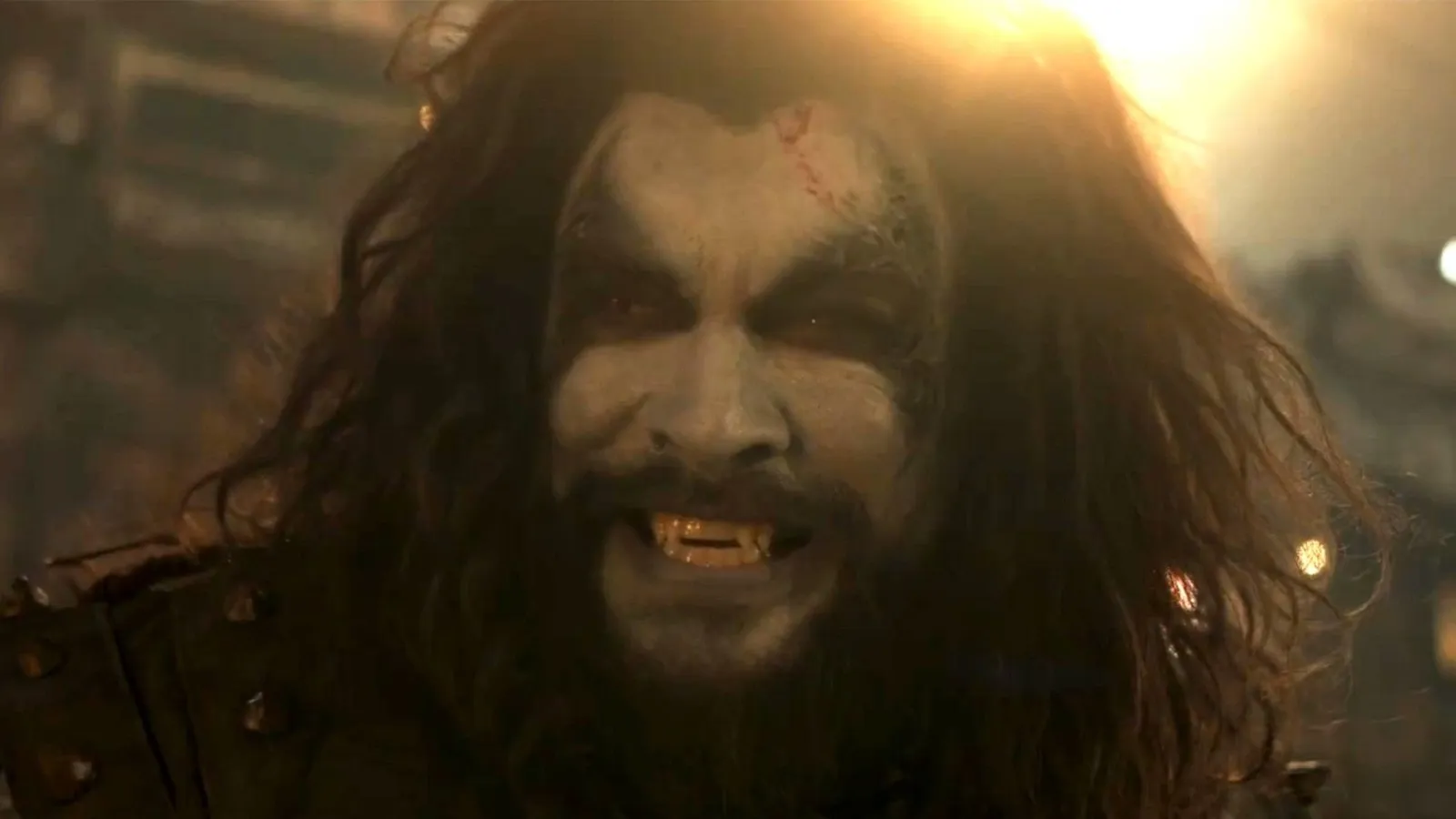
Jason Momoa says he will not make a solo Lobo movie unless it is rated R, even though he will debut as Lobo in Supergirl later this month. For decision-makers, it turns a creative decision into a ratings strategy question with real production and audience implications.
Jason Momoa’s condition for a solo Lobo movie is blunt: if it is not rated R, he is not doing it. In an interview reported by Collider and ComicBook.com, Momoa says, “It’s all I want and I promise, I do not have any interest in making a PG-13 Lobo movie,” adding that he has no interest in making a standalone unless it earns the R. That means the next step for Lobo is not just “what story do we tell,” but “what classification are we willing to pay for, and what does that unlock for DC’s broader movie strategy.”
The context starts with timing. Momoa will make his Lobo debut later this month in Supergirl in a supporting role. It is a lifelong dream for him, too, and the path to this point is part of why the R-rating demand matters. Momoa previously shared that when he had an opportunity to play Aquaman a little over a decade ago, he thought DC was going to offer him Lobo. After the previous DC regime collapsed and continuity got thrown out the window, DC Studios head James Gunn asked Momoa if he would want to play Lobo.
Now people are asking what comes next after a cameo. Momoa confirmed there is a long-term plan for Lobo, in a similar way Aquaman was introduced in other films before getting a standalone adventure. That is a recognizable franchise play: build attention and characterization in shared universes, then earn the right to go solo. But here, Momoa draws a hard line on the solo movie’s rating. When he spoke to Collider, he said he would be open to Lobo showing up in other movies “If they want me, I’ll be there,” but “if I make a solo movie, I’m not doing it unless it’s rated R.”
For executives and studio planners, this kind of constraint is more than a creative preference. Ratings are operational decisions that ripple through budgeting, marketing, distribution, and brand positioning, and they can shape what stories are even feasible to tell on screen. An R rating usually signals a darker tone, more intense action, and more explicit language, all of which influence everything from script approvals to shot design to audience targeting. Momoa’s framing also implies something very specific about what Lobo is to him: he expects the character to be loud, violent, and swear-heavy, not softened for mass appeal.
The interesting part is that Momoa’s request does not sound wildly out of step with where superhero movies are right now. The source notes that Deadpool, Joker, and Logan have all proven you can make successful R-rated superhero movies in the modern era. That matters because it shifts the conversation away from “Can an R-rated comic adaptation work?” and toward “Can DC make it work in a way that fits its current strategy and talent-driven approach?”
There is also a studio signal in the same ecosystem. Gunn’s DC Studios is making an R-rated DC movie this year with Clayface. The Batman spin-off film is described as a horror movie and is expected to be quite gnarly. When a studio builds an R-rated slate item alongside a horror-leaning project, it suggests internal comfort with adult-skewing material and indicates DC may not view R ratings as a brand risk that needs to be avoided.
For decision-makers, the second-order implication is about bargaining power. Momoa is not saying he wants creative control over plot points, he is saying he has a requirement about the rating. That turns “actor-friendly” scheduling into “actor-enforced” production conditions. If DC wants a Momoa-led standalone, it likely has to underwrite scripts, production design, and final cut decisions that can hold up under the rating process. And if the studio cannot or will not, the long-term plan for Lobo may have to keep him in other movies or adjust pacing until a story naturally justifies the R.
It is also a reminder that “lifecycle planning” for characters is not only about continuity and casting. It is about audience expectations and tone consistency. Momoa’s cameo in Supergirl later this month is an intro move, the long-term plan is the payoff, but the R-rating line is the gate that determines whether the standalone gets produced as envisioned. So long as there is demand for Lobo, it may be hard for DC to deny the request. Still, the practical question for any board or exec team is simple: can you align the talent condition with the franchise roadmap, without undermining the timelines that keep cinematic universes alive?
Momoa’s ask is clear. The strategic stakes are equally clear. If DC builds Lobo into its shared universe first, then earns the standalone later, the R-rating demand sets the tone budget for the entire solo chapter. That is how you go from a supporting cameo to a character brand, and that is why this detail deserves attention even outside fandom circles. In entertainment, one line can function like a technical spec. Here, the spec is the rating, and it will shape what Lobo can be when he finally steps into his own movie.
This story's Key Insights and Take-aways are locked.
Create a free account to unlock Executive Actions for one credit.
Register to UnlockAlways free for Executives Club members. Join the Club
More in Entertainment

Russell Brand's accuser 'bewildered and confused' as he denies 7 sex charges
The criminal case against the comedian is a live test of how media companies manage talent risk when serious allegations go public.

'It's a Magic Trick': Ballet Experts Say Rosalía's SNL Pose Is Impossible
Three ballet experts tell Rolling Stone Rosalía's gravity-defying SNL stillness shouldn't be possible - and why the debate is now part of the show.

Activision CMO: GTA 6 Will Boost Call of Duty, Not Bury It
Activision's top marketer says Rockstar's blockbuster will drive players back to consoles and into Modern Warfare 4, even as the company admits its recent strategy failed.