
Jennifer Lawrence became Bravo’s Summer House leak sleuth, Andy Cohen says
On Watch What Happens Live, Cohen credits Lawrence, a “super fan,” with helping pinpoint the reunion audio leaker.
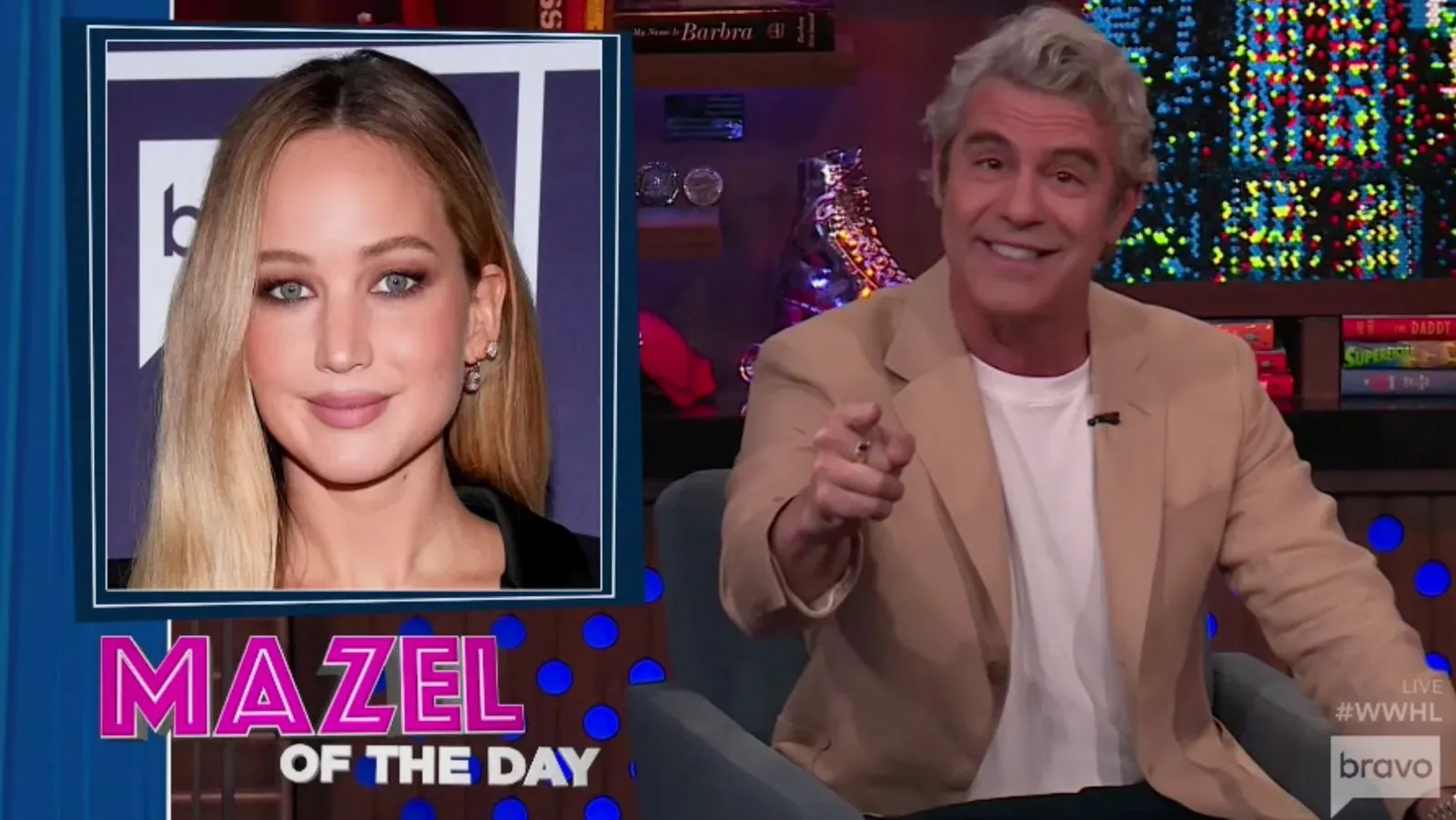
Andy Cohen says Jennifer Lawrence, a self-described Bravo “super fan,” helped Bravo identify the person behind the Summer House reunion audio leak. For decision-makers, the episode is a reminder that fan energy and brand community can become an operational asset in high-stakes moments.
Andy Cohen used his platform on Watch What Happens Live to deliver an unusually specific piece of pop-culture detective work: he says Jennifer Lawrence helped Bravo identify the person behind the Summer House reunion audio leak.
Cohen framed it as fan-powered sleuthing. In his late-night talk show appearance, he thanked Lawrence as a “super fan” and credited her investigation, saying, “Bravo fans are the best.” He added, “Y’all rode with us on this, and you knew that this […]” The key point: this was not just celebrity name-checking. Cohen is portraying Lawrence as actively helpful in tracking down the source of leaked reunion audio.
So why does a reality-TV leak matter beyond the internet’s favorite pastime, which is pretending to be investigators? Because leaks are not just gossip. They are information hazards. When audio from a reunion is circulating early or without context, it can distort narratives, accelerate reputational risk, and change how audiences interpret both the on-screen story and the editorial choices behind it. For a media brand, that can have downstream effects: viewer trust, advertiser comfort, talent relationships, and even the dynamics among participants who know their words may be lifted, re-framed, or timed for maximum impact.
What makes this reveal interesting from an operator’s perspective is the role Lawrence represents in Cohen’s telling. He is positioning a “super fan” as part of the information pipeline. In modern media, the audience is not only consuming content. Fans can become analysts, moderators, and sometimes, in moments like this, informal investigators. The public behavior of a fandom can create real-time signals that brands otherwise would have to gather through slower or more expensive channels.
That does not mean media companies should outsource responsibility to celebrity fans. But it does highlight a real operational truth: brand communities move fast, and they notice patterns. When people are invested, they compare timelines. They scrutinize audio snippets. They watch who posts what, when, and where. Cohen’s acknowledgement implies Bravo received something valuable from that ecosystem. At minimum, it suggests fans were aligned with the investigation rather than only reacting to rumors.
There is also a governance angle. In most content industries, leaks raise questions about internal controls. Where did the audio originate? Who had access? What systems failed, or what handoff created an opportunity? Without inventing details, the existence of a leak itself is an indicator that sensitive material can travel outside approved pathways. That pushes companies to think in terms of incident response: how to identify the source, contain the spread, and reduce future risk.
Cohen’s credit to Lawrence adds a second layer: even when the brand is doing its own cleanup, the public conversation can become part of the response. When he says, “Y’all rode with us on this,” he is signaling that audience participation mattered. That matters because the difference between a rumor and a confirmed identification changes the tempo of an unfolding story. Brands often want to control timing and context, and a community that is pushing toward verification can help narrow the fog.
From a second-order perspective, there is a cultural incentive for celebrities and fans to engage. Lawrence’s involvement, as described by Cohen, reinforces the idea that mainstream celebrities are not just endorsing a franchise with a cameo. They can take a more hands-on role in the media world’s connective tissue. For boards and executives, that raises an interesting strategic question: how do you treat brand communities as stakeholders without blurring the line between engagement and operational interference?
In other words, the operational upside is speed and pattern recognition. The risk is unpredictability. If fans are hunting, they might generate false leads. If a celebrity is involved, it can amplify attention dramatically. Executives have to ensure that any “help” does not violate privacy, escalate harassment, or conflict with legal processes. In high-sensitivity situations, the safest posture is to recognize what the public can contribute while still controlling how information is validated and used.
Still, Cohen’s reveal is a vivid reminder of what is increasingly true across media: attention is not passive. It is participatory. In this case, that participation apparently helped Bravo identify the person behind the Summer House reunion audio leak, with Jennifer Lawrence singled out as the “super fan” who investigated. For executives in similar roles, the takeaway is simple. When your audience is deeply invested, it can become a living signal network. The winners will learn how to harness that energy responsibly, because the next “leak” will not wait for your internal process.
This story's Key Insights and Take-aways are locked.
Create a free account to unlock Executive Actions for one credit.
Register to UnlockAlways free for Executives Club members. Join the Club
More in Entertainment

Christopher Nolan’s “The Odyssey” posts his biggest Tuesday haul, surpassing “The Dark Knight’s” record
The film’s Tuesday breakout reframes Nolan’s box-office ceiling and forces competitors to rethink timing, budgets, and release strategy.

Kacey Musgraves cancels Aug. 20, 29, Sept. 2 Middle of Nowhere shows
Ticketmaster emails are telling fans refunds are coming, while the tour still starts Aug. 21 in Chicago.

Billie Joe Armstrong launches Epiphone Les Paul Junior and Marshall 1959BJA signature gear
Two limited releases turn decades of Green Day’s tone into branded hardware, including Marshall’s first artist amp in 14 years.