
JERA inks $3bn US gas plant for data centers, betting big on power demand
The Japanese utility’s plan for a large gas-fired plant in the US underlines how quickly AI-driven load is reshaping energy procurement.
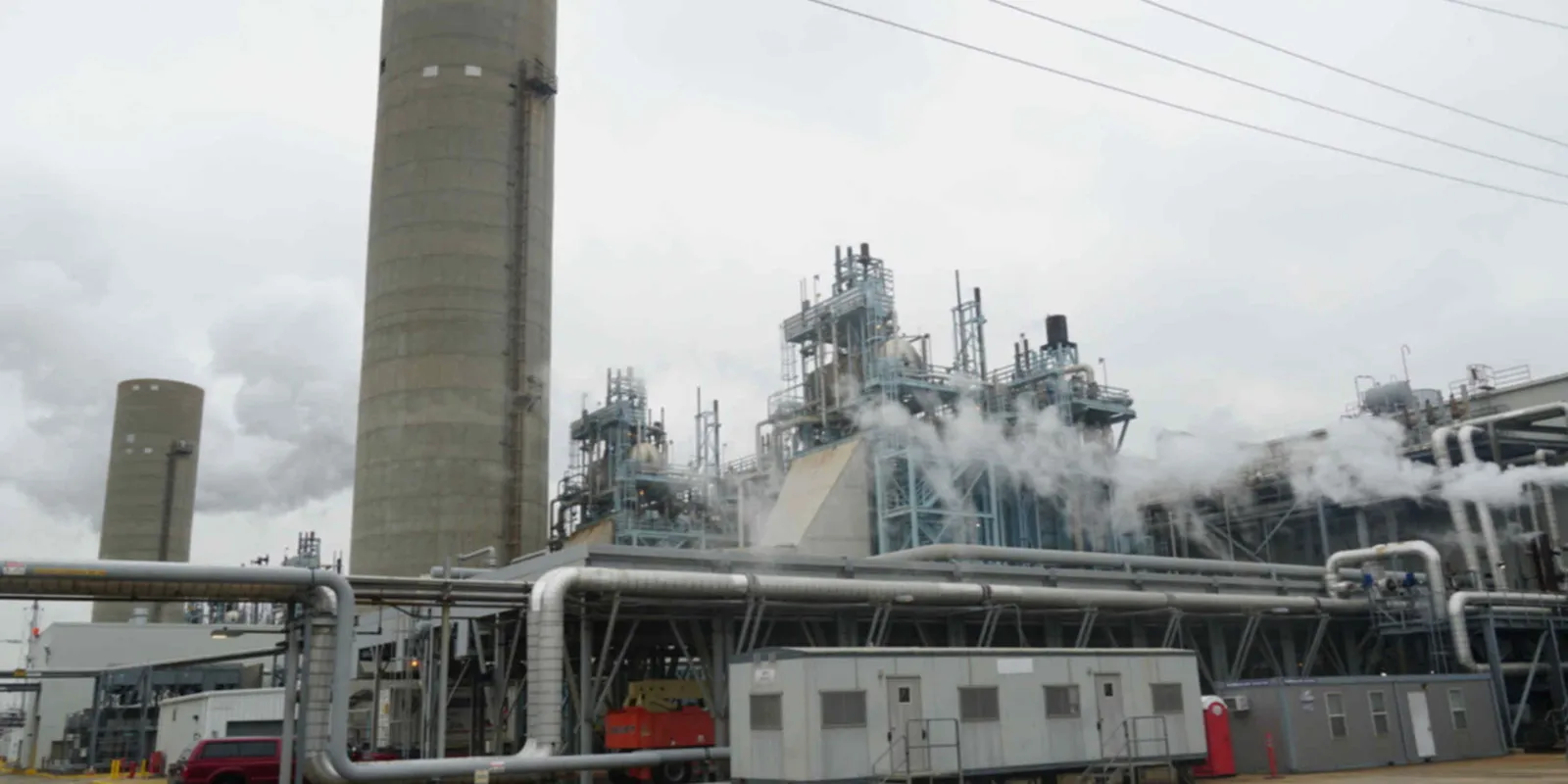
JERA plans to build a large gas-fired power plant in the US to supply a data center, with the project valued at $3bn. For decision-makers, it signals that the next constraint in AI scaling is no longer just chips or servers, but dependable, near-term electricity.
JERA is moving from energy talk to energy steel, with a plan to build a large gas-fired plant in the US for a data center. Nikkei Asia reports the development is for $3bn, making it one of those rare power projects that lands at the intersection of two industries that usually operate on different timelines: utilities and hyperscale computing.
Why this matters immediately is simple: data centers need electricity that is not just available on paper, but deliverable consistently, at the scale they are now aiming for. A large gas-fired plant is a direct attempt to solve that “can we actually turn the power on when the servers arrive?” problem. In other words, JERA is effectively underwriting a supply answer for US data center load with a timeline and capital commitment that looks like a bet on demand sticking around.
Zoom out one level and you see what JERA is responding to. Data centers have become power-intensive in a way that stresses local grids and procurement pathways. Even when a grid has capacity at the system level, there can be bottlenecks at the distribution or transmission level, and there is also the reality of lead times for new generation. Gas plants, compared with some other new generation options, can often be planned and delivered within a shorter window depending on permitting and project structure. That does not remove regulatory risk, but it changes the practical math for operators who want to be online faster.
For JERA, the “large gas-fired plant in the US” framing is also a portfolio decision. JERA is a major energy player, and US infrastructure projects can diversify supply and demand exposure relative to Japan and other markets. But this is not diversification for its own sake. A $3bn scale project is a statement that the company expects a durable market pull from US data centers, not a temporary wave.
The capital and contracting side matters just as much as the generation side. Utilities and energy developers typically make big power bets when there is some combination of long-term demand visibility, a credible off-take or revenue contract structure, and bankable project economics. While the source emphasizes the $3bn figure and the intent to build the plant for a data center, the strategic read-through for executives is that JERA is treating data center power procurement as something that can be financed and executed, not just discussed. If that holds, the company’s playbook could become more repeatable, because projects of this size usually require careful coordination on interconnection, fuel supply arrangements, and the regulatory path.
There is also a broader regulatory context executives should keep in their heads. Power projects in the US are shaped by federal and state rules, permitting requirements, environmental constraints, and the evolving stance on emissions. Gas is still a “lower-carbon” option relative to coal, but it is not zero emissions, and policy choices can affect both costs and future economics. That means JERA’s decision effectively comes with an assumption about how long gas-fired power remains a viable bridge or base resource for data center growth. For boards, it is less about whether anyone worries about regulation and more about whether the project structure is resilient enough to survive uncertainty.
Second-order implications are where this kind of deal starts to ripple. If a $3bn gas-fired plant is built specifically to feed a data center, then competing developers and utilities get a signal about where urgency is concentrated: generation capacity that is both scalable and deliverable. It can change how energy companies price contracts, how grid planners think about new load, and how large buyers (data center operators and their customers) evaluate power availability and risk. It can also put pressure on alternative solutions, because when demand accelerates faster than grid upgrades, “waiting for the perfect clean-energy option” can become a luxury many operators cannot afford.
For executives in energy, infrastructure, and finance, the strategic stakes are clear: this is what happens when compute demand turns into physical electrons. JERA is not just participating in a trend. It is committing $3bn to build generation capacity for US data center demand, and that is the kind of move that can influence procurement decisions across the market for years. If you are a CFO, investor, or board member, the question is no longer only how fast the next AI cycle grows. It is how quickly power systems can keep up, and which companies are willing to finance the answer now.
This story's Key Insights and Take-aways are locked.
Create a free account to unlock Executive Actions for one credit.
Register to UnlockAlways free for Executives Club members. Join the Club
More in Business
Accenture’s $4.18bn play fails as AI fears spark a 20% worst-ever stock plunge
On Thursday, Accenture hit its biggest one-day drop on record after forecasting worries that AI could hollow out consulting.

SpaceX stock jumps 3% after it overtakes Amazon’s market cap
CNBC says SpaceX’s shares surge following its IPO Friday, forcing investors to reprice what “space” and “AI” are worth.

SpaceX’s first options day breaks U.S. records after a $85B IPO win
Big IPO, bigger options debut: what it means for investors, risk teams, and anyone benchmarking market appetite.