
Jet fuel crisis was overstated, Jet Linx CEO says as prices rose, not shortages
Fortune hears from private jet operators: despite Strait of Hormuz fears, fuel availability did not break.
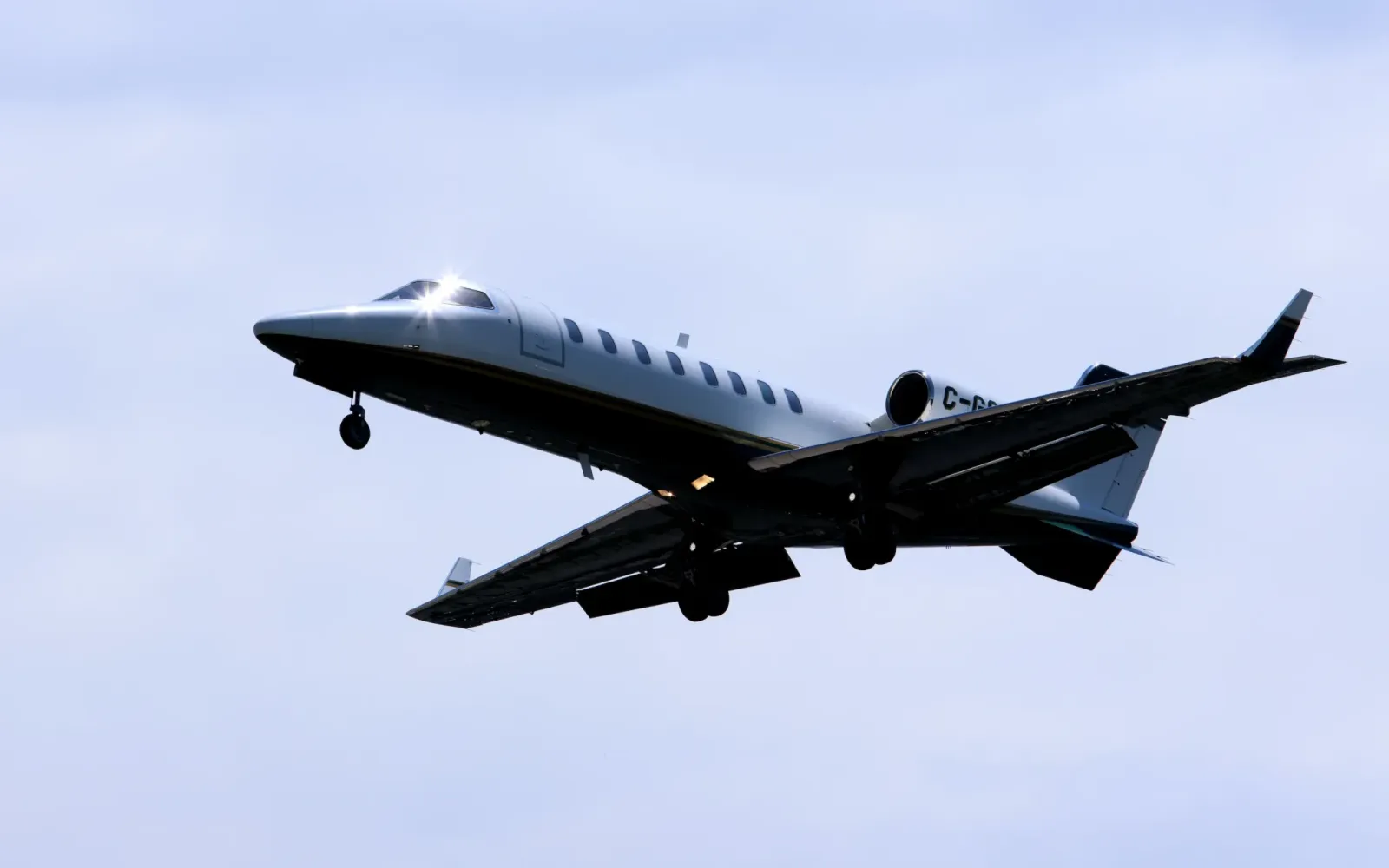
Jamie Walker, CEO of Jet Linx, told Fortune that there was no jet fuel shortage anywhere, even as prices increased during the Strait of Hormuz disruption. The implication for airlines and investors: cancellations and route changes may have been driven by economics and messaging, not actual fuel unavailability.
For months, travelers and operators worried that jet fuel might become scarce because 20% of the world's supply transits through the Strait of Hormuz. The fear was not abstract. It showed up as talk of possible flight cancellations, and even the International Energy Agency floated a troubling line for Europe, saying it had “maybe six weeks” of supplies left.
But Fortune reports that the “jet fuel crisis” narrative did not match what some operators were seeing on the ground. Jamie Walker, CEO of Jet Linx, said, “We have not seen any shortage of fuel anywhere, whether it's domestic in the United States or for European travel.” He added that Jet Linx was still seeing price increases, but not fuel running short at the airports it served.
So what changed? The story here is less “fuel didn’t exist” and more “scarcity was not the real constraint.” Walker said Jet Linx, which has about 100 planes in 22 locations, had not encountered shortages in any of the airports it operated into. His company is a private jet fleet manager, not a legacy airline with a single procurement model, and that matters because the way fuel is sourced, contracted, and delivered can shape what operators experience during a disruption.
Another operator agrees with the same core claim. Greg Raiff, CEO of Elevate Jet, told Fortune that he also had not seen a shortage. Elevate's experience lines up with the Jet Linx account: prices moved, but availability did not hit a wall. Walker also tied demand and supply dynamics to what private jet customers were actually doing, saying sales are up 80% on Jet Linx's jet cards. In other words, at least in private jet circles, the crisis did not freeze demand the way a true shortage would.
Walker offered a supply-side explanation that helps decode why the “shortage” framing did not play out the same way. He said production of fuel has gone up by 6X, and that the U.S. is exporting a ton of fuel right now to Europe to overcome that shortage. That is a key distinction for executives: if a system response ramps production and cross-border flows, then the constraint shifts from “do we have product” to “what does product cost, and who decides to cancel.”
Regulators and officials have echoed the “no shortage” stance too, according to Fortune. Reuters reported that Saudi Arabia is projected to ship more jet fuel in June than it did before the strait was closed: 118,000 barrels per day, up from 140,000 barrels. And in early June, European Union transport commissioner Apostolos Tzitzikostas said, “There currently is no jet fuel shortage in Europe. We have no signs that we will have a shortage in the coming period.” He also said some airlines chose to cancel routes that did not make economic sense.
That wording matters because it frames the cancellations as a business decision rather than a physical impossibility. Fortune also adds a hypothesis from Raiff, who previously told Fortune that he suspected flight cancellations were driven by commercial airlines wanting to “weasel out of routes” that became less lucrative as jet fuel prices rose. Whether one agrees with the motive, the mechanism is clear: higher fuel costs can make marginal routes unprofitable quickly, and cancellations can become a tool to protect margins or renegotiate operational commitments. If you have fuel, but it is expensive, the debate becomes profitability and contract risk, not engineering and logistics.
Second-order implication: for airline leadership, boards, and investors, this episode is a reminder that market fear can outpace measured supply. When an energy disruption hits a chokepoint, headlines can push management to overcorrect. Yet multiple operators and officials in this account say fuel was still available, even if it was pricier. The competitive and reputational risk is obvious. Cancel the wrong flights, communicate “shortage” to customers too broadly, or price capital around a scarcity scenario that never materializes, and you may end up paying for a narrative.
For peers planning capacity and procurement in the next geopolitical tremor, the takeaway is practical: pressure-test assumptions. Track not just spot pricing, but actual availability at the airports you serve, how quickly supply alternatives ramp, and whether route decisions are being made for economics rather than for true supply constraints. In a world where 20% of global supply passes through one chokepoint, the real question is not whether prices move. It is whether operations break. In this case, the operators told Fortune the answer was no.
This story's Key Insights and Take-aways are locked.
Create a free account to unlock Executive Actions for one credit.
Register to UnlockAlways free for Executives Club members. Join the Club
More in Business

Anthropic's S-1 reveals $80.7B loss as it races OpenAI to IPO
The Claude maker files publicly for a Nasdaq listing under 'ANT,' exposing staggering losses and a world-altering ambition before it can beat OpenAI to the market.

A flaw in PHP just forced governments to pull their own sites offline
European agencies from Belgium to Germany took websites dark to patch a critical weakness in the language behind almost 70% of the web, and the blast radius extends far beyond government portals.

BioWare shuts down, Mass Effect 5 dead after $55B EA buyout
The legendary RPG studio's closure lands months after a $55 billion investment group buyout of EA, raising tough questions for gaming's biggest acquirers.