
Jim Gilstrap, “You Are the Sunshine of My Life” tenor, dies at 79
Billboard reports the Los Angeles death of the versatile session singer behind hits with Stevie Wonder, Good Times, and Jackson.
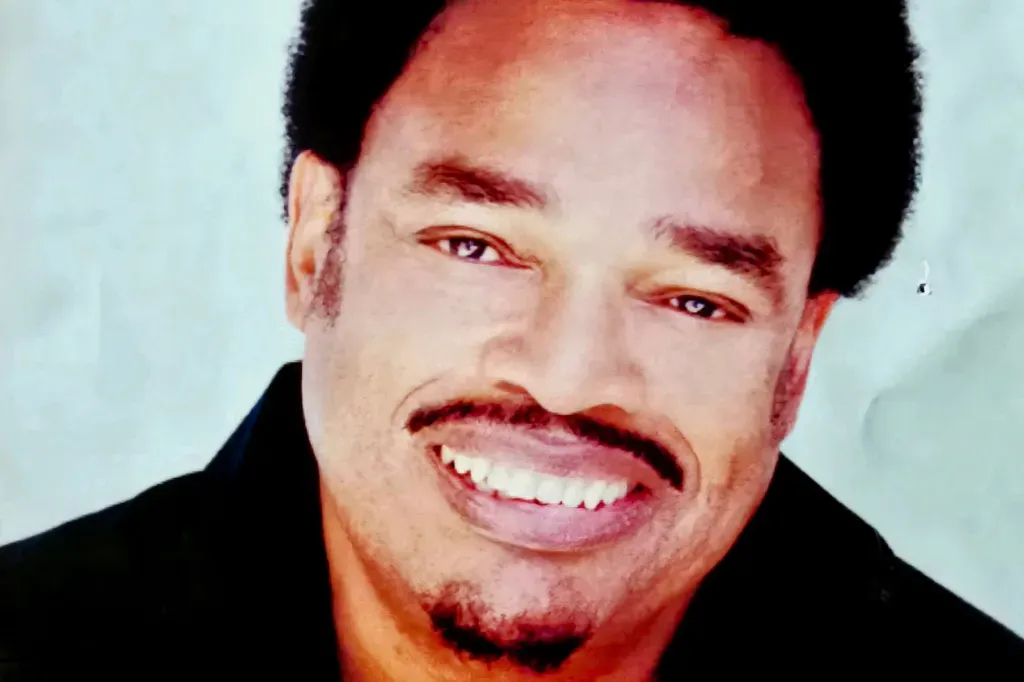
Jim Gilstrap, the sonorous tenor credited on Stevie Wonder classics and the Good Times television theme song, has died. He passed away of natural causes in Los Angeles on July 18 at age 79.
Jim Gilstrap, the tenor whose voice anchored Stevie Wonder’s “You Are the Sunshine of My Life” and helped launch the Good Times theme song, has died. Billboard reports he passed away of natural causes in Los Angeles on July 18, at age 79. In the same lifespan that carried him from early-70s session work into a career spanning more than five decades, Gilstrap became the kind of behind-the-mic constant that makes pop music feel seamless. You rarely see a session vocalist’s name at the center of the story, but you feel their impact every time a chorus lands.
For executives and operators in music and media, Gilstrap’s death is a reminder that the “value chain” behind cultural hits is more distributed than most dashboards capture. His credits read like a who’s-who roster: Stevie Wonder’s backing band and vocal group Wonderlove in the early ‘70s, the Grammy Award-winning “You Are the Sunshine of My Life” for Talking Book, and additional Wonder albums during that fertile stretch, including Innervisions and Fulfillingness' First Finale. He also co-led as the vocalist on the television series theme song Good Times in 1974. Those are not niche footnotes. They are platform moments that connect TV royalties, album sales, streaming discovery, and the long tail of evergreen tracks.
And then there’s the part of his career that proves he was not just a specialist. As a solo artist, Gilstrap charted two R&B hits in 1975: “Swing Your Daddy” reached No. 10 in the U.S. and No. 4 in the U.K., and “I’m on Fire” reached No. 20. Both songs were featured on his Chelsea Records debut studio album Swing Your Daddy. A year later, he released a second studio album, Love Talk. That matters because it shows a rare crossover capability: session credibility, then audience reach. In an industry where many session players remain invisible to mainstream consumers, Gilstrap charted. That kind of dual-path experience is valuable context for anyone making decisions about talent development, brand partnerships, and catalog strategies.
Gilstrap’s early career also helps explain why he could move so fluidly across styles. Born Nov. 10, 1946 in Texas, he followed a stint in the military and work with other early music groups before becoming a featured vocalist with Wonder’s ensemble in the early ‘70s. The music business is full of performers who specialize narrowly. Gilstrap instead built a reputation for versatility and demand as a session vocalist, which likely made him a go-to option as recording schedules tightened and artists needed reliable voices that could perform on cue.
Billboard notes that during that same broad career window, Gilstrap lent his tenor to projects by an unusually diverse array of stars: Quincy Jones, Michael Jackson, Aretha Franklin, Whitney Houston, Bill Withers, Luther Vandross, Kenny Loggins, Dolly Parton, Stanley Clarke, and Boz Scaggs. For media executives, the second-order lesson is about dependency and continuity. When a single vocalist appears across multiple top-tier projects, he becomes part of a studio’s repeatable production system. Losing that person does not erase past recordings, but it changes future staffing calculus, especially for live tribute work, re-recording plans, and any production teams relying on the same skill set.
There is also the catalog and rights angle, even when no corporate announcement accompanies a death. Gilstrap is part of the enduring infrastructure of popular music recordings: the kind of credits that stay relevant across mechanical licensing, performance rights, synchronization, and reissues. While Billboard states that memorial arrangements are pending and that Gilstrap is survived by his wife Gloria, as well as children and grandchildren, the broader business impact is already baked in. The tracks he helped create continue to earn attention and revenue long after the original release cycle. Anyone managing music portfolios, licensing operations, or long-term brand partnerships should treat that “evergreen credit” layer as mission-critical.
Strategically, Gilstrap’s life is a case study in how cultural products are built. The headline moments in pop culture tend to spotlight stars, but the sonic identity of those moments often depends on people like him, the versatile tenors who can step into a high-profile recording environment and deliver. For boards, label leadership, and studio operators, the question is not whether the industry can keep functioning without one voice. It can. The question is whether you are investing in and preserving the talent pipeline, relationships, and production know-how that make the next round of “you can’t unhear it” tracks possible.
This story's Key Insights and Take-aways are locked.
Create a free account to unlock Executive Actions for one credit.
Register to UnlockAlways free for Executives Club members. Join the Club
More in Entertainment

12TB Steam 'teraleak' goes beyond Valve: GTA 3, Mafia 2 prototypes exposed
A 12-terabyte dump of Steam data reveals prototypes and builds of third-party classics like GTA 3 and Mafia 2, plus unreleased Valve content, rewriting game history.

LinkedIn's romance problem: 1 in 4 workers say dating on it is fair game
A new survey shows a quarter of U.S. employees treat the professional network as fair game for romance, even as LinkedIn bans it and removes hundreds of thousands of offending posts.

Enhypen's first No. 1 album breaks K-pop's Billboard 200 streak
The K-pop group's 98,000-unit debut tops the chart while Dolly Parton's catalog reentry shows how death reshapes streaming.