

Jimmy Tatro circles Gorilla Grodd for DC Crime, pushing DCU tone experiment further
Deadline says Tatro is being considered for Gorilla Grodd in DC Studios TV series DC Crime.
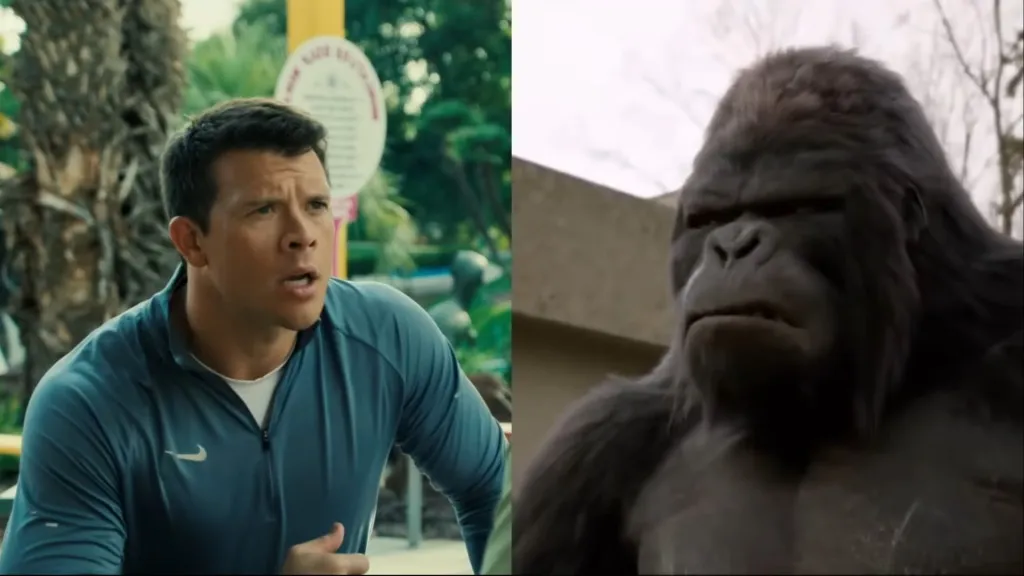
Jimmy Tatro, the American Vandal and The Hawk star, is reportedly being considered for Gorilla Grodd in DC Studios' TV series DC Crime. For decision-makers, it signals DCU TV strategy is doubling down on a true-crime style framing while leaning into high-concept comic-book weirdness.
Jimmy Tatro is reportedly circling the role of Gorilla Grodd, and it matters because DC Studios is using him to bet on a specific kind of weird: a psychic gorilla serious enough to shape a true-crime docuseries. Deadline reports Tatro is being considered for Grodd in DC Crime, a TV show that is still un-greenlit.
The headline question is simple: why would an American Vandal and The Hawk star even be on the radar for a classic DC Comics villain whose defining feature is literally “psychic gorilla”? The source points to the project’s center of gravity. DC Crime is described as being centered on Skyler Gisondo’s Superman character Jimmy Olsen, and it is reportedly presenting itself as a “true-crime docuseries” with Olsen’s investigative focus tied to a psychic gorilla who controls people’s brains. So yes, this is Grodd, but the pitch is Grodd in a format that feels like investigation, evidence, and case files, not just supervillain spectacle.
If you track DC’s current TV and film posture, this casting rumor reads like a tone management strategy. The series is framed as part of James Gunn and company’s ongoing experiments in how they mix genre and voice inside the current DCU. In other words, DC Studios is not only adapting comic concepts, it is actively testing how far it can push comedic absurdity, classic pulp stakes, and “serious documentary” packaging in the same container.
That “container” is important for executives, because tone is not an aesthetic afterthought. It determines audience expectations, production design choices, marketing angles, and even the kind of guest casting you can justify. The show’s reported “true-crime docuseries” structure is a deliberate contrast to the inherent goofiness of “evil gorilla wants to control your mind.” The source argues that Grodd has not gotten as much press as other classic DC villains partly because, well, he is a psychic gorilla. Yet it also notes that Grodd’s only major live-action appearances to date have been in The Flash TV show and its connected Legends Of Tomorrow. Those appearances gave the concept room to play, because the shows can carry the inherent mismatch between premise and seriousness.
Grodd, historically, is also treated like a major threat in the comics, which helps explain why he is even being considered for DC Crime beyond a “cute cameo” logic. A character can be goofy and still be consequential in story terms. In comics, the danger is mind control, which is both visually distinctive and narratively sticky. In live-action, the success depends on how the show decides to present the threat. The source positions DC Crime as a format where Olsen investigates something that is both extraordinary and framed like an actionable case, which is exactly the kind of hybrid that can expand viewership beyond pure superhero audiences.
There is another context layer here: Silver Age Jimmy Olsen. The source explicitly says the inclusion of Grodd is a clear indicator DC Crime will steer into a Silver Age version of Jimmy Olsen, harkening back to an era where the photographer and apparent sex object got into constant shenanigans that turned him into a superhero, a werewolf, and, on notable occasions, a giant turtle-themed kaiju called Giant Turtle Man. That matters because it tells you what DC Studios is trying to capture: episodic escalation, absurd transformations, and mythic “what on earth is happening” plots, but filtered through a consistent narrative method.
From a production and board-level view, that method can be a risk or a reward. The series has not been officially set for production yet, and it is still un-greenlit. That means executives are in the early decision window where casting and tone signals help determine whether the project can clear internal and external appetite thresholds. It also means any comparable show pipeline matters. The source briefly contrasts DC Crime with Lanterns, described as set to debut next month, which suggests DC Studios is juggling multiple DCU TV experiments simultaneously. In that kind of environment, “greenlighting” tends to reward projects that are distinctive enough to stand apart, but coherent enough to scale.
Second-order implications follow quickly. If DC Crime leans into Grodd and the Silver Age chaos of Jimmy Olsen, it will need to sell the audience on why the “true-crime docuseries” framing is the right delivery system for psychic threats. That can influence how marketing is written, which platforms get targeted, and whether the series feels like a gimmick or a stable tone decision. It can also affect casting strategy: selecting a recognizable actor like Tatro, whose credits include American Vandal and who appeared in Scream 7 earlier in the year, alongside a forthcoming co-starring role in Will Ferrell’s golf comedy The Hawk next week, suggests DC Studios wants a performer who can handle comedic timing while inhabiting a story engine that allows for menace.
Strategically, peers should treat this rumor as a signal of where DCU TV energy is heading. The source describes DC Crime as a continuing experiment, and it is doing so by importing fantastical comic elements into shared reality “one telepathic ape at a time.” The stake is simple: studios that can make high-concept characters feel investigable, and make tone shifts feel intentional rather than random, can carve out a competitive position that audiences remember. Studios that cannot, end up with pitches that sound like they were built from leftovers. DC Crime, at least in the reported framing, is aiming for the remembered version.
This story's Key Insights and Take-aways are locked.
Create a free account to unlock Executive Actions for one credit.
Register to UnlockAlways free for Executives Club members. Join the Club
More in Science

Alaska's 1,580-foot tsunami had warning signs. Scientists just found them.
Rapid glacier retreat, heavy rainfall, and thousands of tiny tremors preceded Alaska's 1,580-foot tsunami, a warning for every coastal community in a warming world.

The rare mutation that lets high-risk brains dodge Alzheimer's
Scientists found a natural defense against protein buildup, opening a new path to preventive treatments.

3,000 steps a day may halve Alzheimer's decline, study finds
New research links a modest daily walk to less tau buildup and nearly half the cognitive and functional decline, even for those with early signs.