
Josh Sawyer says Fallout: New Vegas directing was “pure luck,” not a plan
How the Obsidian co-founder recruiting him turned into a landmark RPG, and what it means for talent strategy.
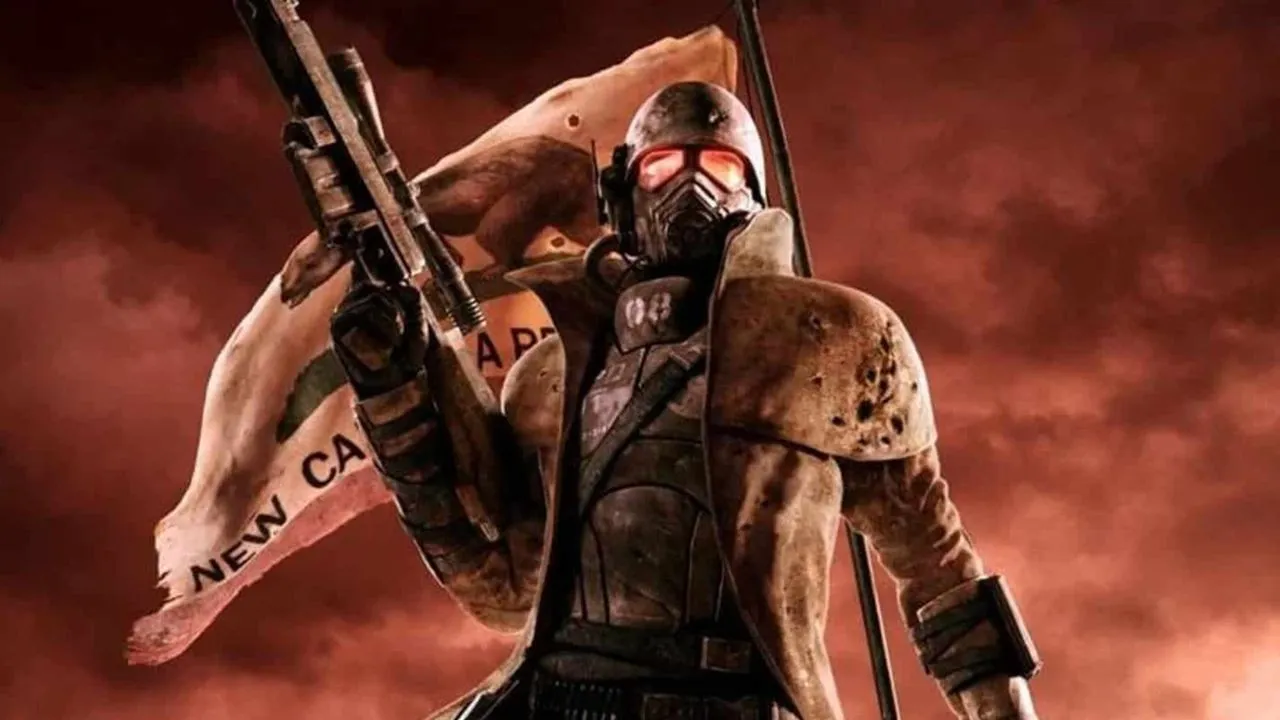
Josh Sawyer, director of Fallout: New Vegas at Obsidian, says he was not part of the early conversations and that his directing role happened by chance. For decision-makers, it is a reminder that the biggest hits often hinge on timing, relationships, and informal decisions, not just pitches.
Josh Sawyer is pretty blunt about how he ended up directing Fallout: New Vegas. In an interview with The Examined Game, he says, “I wasn't part of any of those early conversations,” and describes the moment Feargus Urquhart, Obsidian's studio head, approached him with the opportunity. Sawyer recounts Urquhart saying Obsidian was talking to Bethesda about making a Fallout game and asking, effectively, “would you be willing to direct it?” Sawyer’s response is equally direct: “yeah, what? Of course.”
So when Sawyer later frames the whole path as luck, it is not a casual line for flavor. He explicitly says, “New Vegas almost literally fell in my lap,” calling it “just pure luck, like most things in my career.” That matters because it flips the typical narrative of studio success. Instead of a carefully engineered pitch-to-execution pipeline, this is a story of an established developer being pulled in when the internal and external parties aligned, with Sawyer having been out of the loop on the early talks.
To understand why that distinction is interesting, you have to zoom out to how Obsidian and Bethesda relationships usually work. The starting point of Fallout: New Vegas is widely tied to studio co-founder Chris Avellone’s idea for the opening incident, the courier getting shot in the head and being buried in a shallow grave. Sawyer, as director, was responsible for the overall vision. But according to Sawyer, he was not there when the earliest conversations happened. In other words, the creative spark and the early negotiations that set the project in motion were running on a parallel track to his role at the time.
Sawyer also gives context for why he would not have been plugged in: when he was at Obsidian around 2009, he had been a lead designer on an Aliens project that went very badly. He names it: Aliens: Crucible, a canceled horror RPG. And he explains that it was the owners who had been talking to Bethesda, so he “had no idea that any of this stuff was going on.” This is not just biographical color. It is an example of how studio org charts and internal information flows can shape who even knows a big partnership is forming. The knowledge asymmetry is the point. The people closest to a pitch do not always end up closest to the execution.
Then, the recruitment moment arrives. Sawyer describes Feargus Urquhart coming to him and laying out that Obsidian had proposals tied to Avellone, including what Sawyer says might have been called Fallout 3: New Vegas or Fallout 3: Sin City. He says he was completely unaware that they were doing this, “but basically he said,” would Sawyer direct it. The “almost literally fell in my lap” language fits because Sawyer was not in the early meetings, not in the pitching seat, and not in the decision chain at the start. Yet he ended up as director, which means his influence on the final product was real, even if his entry point was accidental.
For executives, this is where the second-order implications start to show up. In creative industries, boards and studios often obsess over the pitch process and the formal assignments, because those are the things you can document and control. Sawyer’s story suggests a more uncomfortable truth: major outcomes can be driven by informal timing and relationships. Urquhart approaches Sawyer when he is needed, and Sawyer accepts. That is the kind of decision that rarely makes it into decks, but it can still determine who leads the “overall vision” of a flagship project.
There is also a talent-cycle lesson tucked into Sawyer’s reflection. He references hearing from Tim Cain, a fellow Fallout royalty and an old Obsidian co-worker. Cain had described how he “fumbled” his way through his early career, including creating the Fallout series at Interplay. Sawyer and Cain, as generational RPG developers in the same ecosystem, are both pointing to a pattern: being in the right place at the right time. Sawyer sums it up with the line that New Vegas was “just luck.” It is not an argument against hard work. It is a reminder that hard work only matters if you are in the room when opportunities form.
Zooming out one more layer, think about what this means for the broader business environment. The games industry operates through partnerships, publisher relationships, and licensing arrangements, with production responsibilities split across roles and teams. In that setting, “regulatory” pressure looks different than in, say, banking, but the governance analogue is still there: approvals, contracts, and stakeholder alignment. Sawyer’s recounting highlights that stakeholder alignment can move faster than any single person’s plan. If the owners are talking to Bethesda and the director role is decided later, the project’s leadership can shift after momentum is already rolling.
For leaders trying to build repeatable success, the strategic stake is simple: if you treat major creative hits as the predictable output of the perfect pitch, you will underinvest in the systems that make luck more frequent. You cannot manufacture “pure luck,” but you can build teams where the right person is reachable when the opening appears, and where knowledge does not bottleneck in a way that blindsides the people who could lead.
In other words: Fallout: New Vegas did not just happen because of a flawless campaign. Sawyer’s account says the project’s early concept and Bethesda discussions ran ahead of his awareness. Then Urquhart brought him in. The lesson for execs and boards is that timing, internal communication, and relationship-driven recruiting are not soft skills. They are the infrastructure behind the hits.
This story's Key Insights and Take-aways are locked.
Create a free account to unlock Executive Actions for one credit.
Register to UnlockAlways free for Executives Club members. Join the Club
More in Entertainment

Russell Brand's accuser 'bewildered and confused' as he denies 7 sex charges
The criminal case against the comedian is a live test of how media companies manage talent risk when serious allegations go public.

'It's a Magic Trick': Ballet Experts Say Rosalía's SNL Pose Is Impossible
Three ballet experts tell Rolling Stone Rosalía's gravity-defying SNL stillness shouldn't be possible - and why the debate is now part of the show.

Activision CMO: GTA 6 Will Boost Call of Duty, Not Bury It
Activision's top marketer says Rockstar's blockbuster will drive players back to consoles and into Modern Warfare 4, even as the company admits its recent strategy failed.