
Josh Sawyer says RPGs should refuse “save everyone,” because “No person can fix everything”
Fallout: New Vegas and Pentiment director explains why forcing hard tradeoffs makes players interrogate their values.
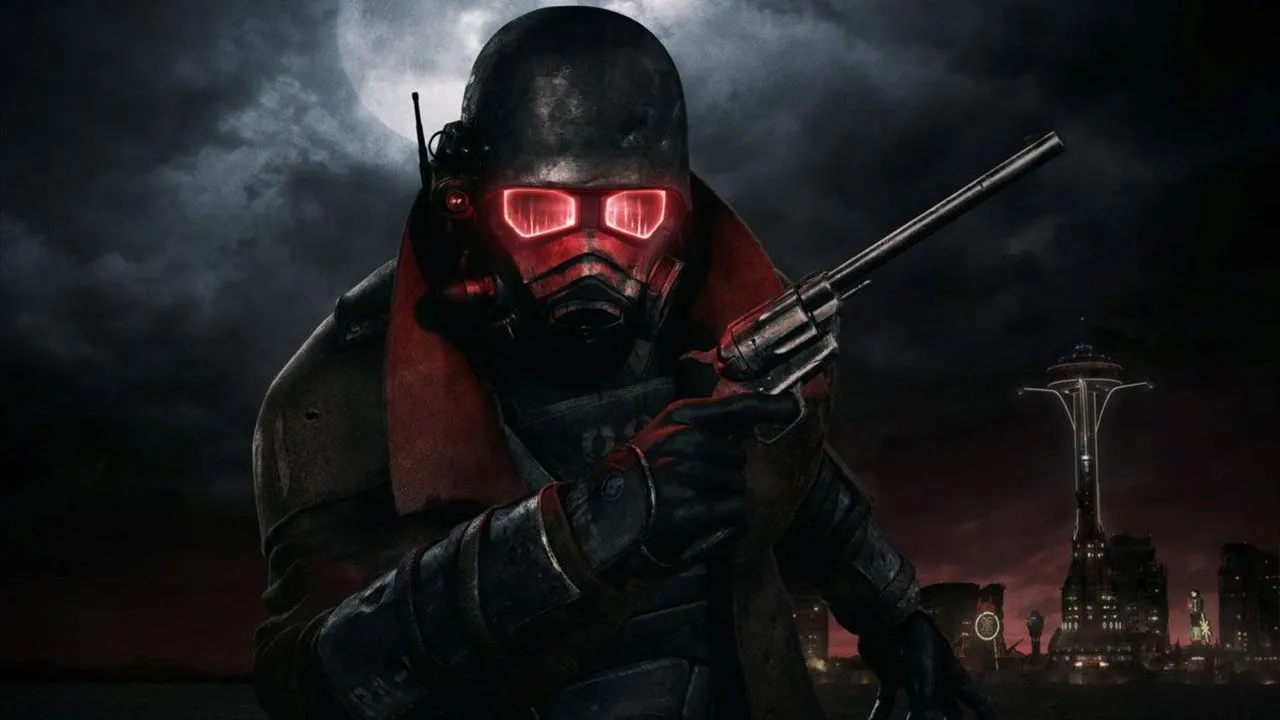
Josh Sawyer, director of Fallout: New Vegas and Pentiment, argues that RPGs get more interesting when they cannot be “fixed” by the player. For decision-makers building games, that design stance drives measurable player friction, debate, and reception.
Josh Sawyer, director of Fallout: New Vegas and Pentiment, is making a blunt case against the classic RPG power fantasy. In an interview tied to The Examined Game (thanks to Kotaku), Sawyer says he does not find it interesting when RPG protagonists can “save everyone” and “fix everything,” quoting his own line: “I save everyone, I kill everyone. I don't think that's particularly interesting.” The key is not that choices matter in the abstract. It is that the outcomes should not let players pretend their values solve every problem.
He explains the goal in plain terms. Sawyer prefers scenarios where the game effectively tells you, “you’re going to do your best, and your best is worth trying to do, but it's not going to fix everything, because you just can't. No person can fix everything.” That one idea is doing a lot of heavy lifting. It is also a direct answer to a player expectation RPGs often cultivate, the feeling that if you are built “different,” you should be able to overwhelm any obstacle.
For executives and studio leaders, this philosophy is more than creative flavor. It is a design constraint that changes how people experience agency, and it can directly shape reception. Sawyer notes he “incorporated this philosophy to different levels of success,” with outcomes that were “favorable or unfavorable reception by the audience.” That admission matters because it frames friction as a tradeoff, not a bug. If players expect an RPG to consistently validate their power, then restricting what the player can accomplish can spark debate. But it can also deepen engagement by forcing players to sit with imperfect results.
Sawyer points to why that matters through a specific gameplay example: Pentiment. In the murder storyline, players have to “solve” the crime without any confirmation as to the culprit. Sawyer says he “didn't want to give a concrete answer,” so players have to “sit” with their choices. The mechanism is emotionally precise. He describes the “agony” of role-playing decisions where “you have two things to do that are good and bad and I gotta decide which is most important.” The point is that the game does not just give you information and then rewards the “right” moral outcome. It makes you live inside the tradeoff, including the uncertainty.
He uses a similar logic in Pillars of Eternity 2: Deadfire, where players are unable to stop the god Eothas. Sawyer says the studio tried to “telegraph that he's way beyond the ability to physically do anything to.” Still, he emphasizes the tension: players are “very conditioned by a lot of RPGs to expect like, 'Yeah, but I'm built different. Like I'm going to be able to take this guy out.' And then you can't.” This is where the industry context shows up. Modern role-playing games often train players to interpret their stats, builds, and choices as a guarantee of eventual dominance over story constraints. Sawyer is arguing for the opposite interpretation: that sometimes the story constraint is the lesson.
Fallout: New Vegas is the flashpoint for that same lesson. Sawyer describes another controversial decision: an objective that allowed you to help Mr House while making peace with the Brotherhood of Steel was removed from the game. The consequence was straightforward. By forcing players to destroy the Brotherhood in order to help the billionaire, the design made them question whether doing House's bidding was the right choice. Sawyer ties this back to a broader thesis about reality: “So many problems are just human problems... even in a fantastic world, there are going to be powers that are beyond you and things that you can't overwhelm.” Translating that for anyone outside game design: he is designing moral and strategic ceilings, the points where effort still does not equal salvation.
There is also a meta layer that shows up in how he talks about his career. Sawyer says it was “pure luck” he directed the RPG at Obsidian: “Almost literally fell in my lap.” That detail is more than trivia. It is a reminder that creative direction can emerge from circumstance, but the actual design principles are intentional. For studios, publishers, and investors, the second-order implication is clear: if your audience is trained to optimize for “complete” outcomes, then games that deliberately deny completion can polarize users, but they can also make your narrative and systems feel more human, less like a checklist.
Strategically, Sawyer’s stance boils down to a challenge for RPG teams. If you want players to interrogate values, you have to build scenarios where doing “your best” still leaves damage. You cannot market “choice” as infinite freedom while designing it like a reset button. Or, put more bluntly: if “fix everything” is the fantasy, then “No person can fix everything” is the anti-fantasy. In a market where player expectation and live-service logic often reward total control, that anti-fantasy is either an artistic differentiator or an audience risk. Sawyer’s own track record suggests both are possible. The question for decision-makers is whether your next product can handle the backlash that comes with removing the safety rails, and whether it can earn the loyalty that follows when players feel their values mattered, even when they could not win.
This story's Key Insights and Take-aways are locked.
Create a free account to unlock Executive Actions for one credit.
Register to UnlockAlways free for Executives Club members. Join the Club
More in Entertainment

12TB Steam 'teraleak' goes beyond Valve: GTA 3, Mafia 2 prototypes exposed
A 12-terabyte dump of Steam data reveals prototypes and builds of third-party classics like GTA 3 and Mafia 2, plus unreleased Valve content, rewriting game history.

LinkedIn's romance problem: 1 in 4 workers say dating on it is fair game
A new survey shows a quarter of U.S. employees treat the professional network as fair game for romance, even as LinkedIn bans it and removes hundreds of thousands of offending posts.

Enhypen's first No. 1 album breaks K-pop's Billboard 200 streak
The K-pop group's 98,000-unit debut tops the chart while Dolly Parton's catalog reentry shows how death reshapes streaming.