
Josh Sawyer says “we can do better now,” and it’s become the RPG dev rulebook
A decade later, Fallout: New Vegas and Pillars of Eternity director agrees inspiration still beats animosity in RPG design.
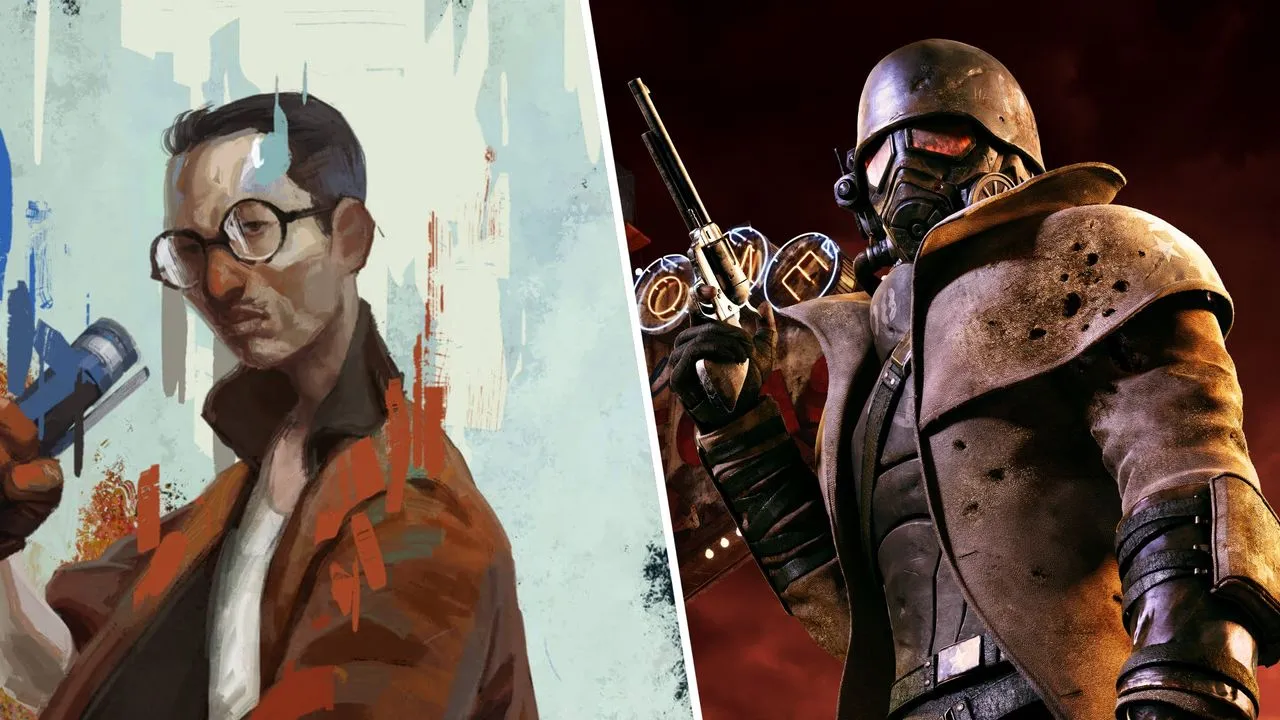
Josh Sawyer, director on Fallout: New Vegas, Pillars of Eternity, and Pentiment, discussed RPG inspiration with the Human Can Opener Podcast. The takeaway for decision-makers: dev quality moves through iterative peer critique, not silos, and dialogue systems are still “locked” only until they get reinvented.
Great news for anyone who thought “RPG design discourse” is a closed loop. Josh Sawyer, the RPG veteran known for Fallout: New Vegas, Pillars of Eternity, and Pentiment, said that a Disco Elysium writer once told him, in essence, “we can do better than this now,” and Sawyer fully agreed.
In the conversation with the Human Can Opener Podcast, Sawyer explained that one of Disco Elysium’s writers reached out after the game came out to propose a talk as an “updated response” to a narrative-choice talk he delivered in 2012. The writer, Sawyer recalled, was “somewhat apologetic” about it, framing the new talk as a chance to improve on what had been said years earlier. Sawyer’s reaction was not defensiveness. He said, “I certainly hope, fuckin', 10 years we can do better!” and added that he does not think he “have all the answers” and is “doing the best [he can].”
That exchange sounds like normal creative camaraderie. But it also reveals a more important operating principle behind modern RPGs: inspiration is a continuous feedback system. Sawyer described a cycle where he critiques other developers’ work by asking, essentially, “Hey that's cool, but I have an idea how to make it better.” Then he makes his own version. In turn, someone else sees what he did and says the same thing back, with the possibility of improvement either way. He framed this as something that “just gonna keep going on.” For companies making games, that is not a sentimental slogan. It is a workflow reality. The better the teams are at learning from peers, the more likely they are to ship experiences that feel fresh without having to reinvent the whole category.
The discussion also got specific about why some RPG mechanics feel stubbornly standardized. Sawyer pointed at branching dialogue as an example of a tradition that feels “locked” in terms of how RPG devs approach and structure it. In plain English, this is the old problem: when players expect multiple dialogue paths, designers often fall into the same patterns. The industry repeatedly models conversation like a tree, with branches that grow in predictable ways and tools that nudge teams toward similar formats.
But Sawyer’s key point is that “locked” does not mean “finished.” Even in branching dialogue, he said, developers still “find new ways to do it,” and “other people after I'm gone are going to figure out other new ways to do it.” That is the heart of his argument that improvement is cumulative and cross-pollinating. The “animosity” part matters too. Sawyer directly rejected the idea that peer-to-peer critique is hostile. “We just keep inspiring each other,” he said. “It's not an animosity thing. It's just, do the best you can, [and] get inspired by other people.”
If you are an executive or board member, the second-order implication is about risk management and time horizon. When teams treat design critique as an ongoing, nonpersonal process, the quality bar rises without requiring a constant reinvention of everything. That matters in an environment where production timelines, staffing plans, and budget approvals are tight. A dialogue system might look like it is “just content,” but it is also a design and technology commitment. If a studio assumes that the “locked” elements are the whole story, it will underestimate how much room there is to innovate inside the familiar.
There is also a strategic signal hidden in the fact that Sawyer named multiple franchises: Fallout: New Vegas, Pillars of Eternity, and Pentiment. Those are proof points that iterative learning can coexist with distinct design identities. Sawyer is not arguing for generic imitation. He is arguing for a culture where developers can respectfully challenge each other, update the narrative-choice conversation years later, and still maintain forward motion. For decision-makers, that translates into something practical: encourage teams to build feedback loops that reach outward, not just inward. The “updated response” concept from 2012 to the Disco Elysium era is a reminder that creative maturity compounds.
And here is the part that should land for anyone overseeing product strategy in interactive entertainment: Sawyer’s philosophy makes improvement look inevitable. He implied the cycle continues “going on” and outlives any single creator’s direct influence. Branching dialogue is used as a concrete example of that dynamic: even when a mechanic appears standardized, it is still a canvas for new approaches. If you are planning your next RPG, your competitive advantage might not be inventing a new genre mechanic from scratch. It might be building the organizational conditions that let your team spot the “cool, but I have an idea how to make it better” moment earlier and act faster.
This story's Key Insights and Take-aways are locked.
Create a free account to unlock Executive Actions for one credit.
Register to UnlockAlways free for Executives Club members. Join the Club
More in Entertainment

Russell Brand's accuser 'bewildered and confused' as he denies 7 sex charges
The criminal case against the comedian is a live test of how media companies manage talent risk when serious allegations go public.

'It's a Magic Trick': Ballet Experts Say Rosalía's SNL Pose Is Impossible
Three ballet experts tell Rolling Stone Rosalía's gravity-defying SNL stillness shouldn't be possible - and why the debate is now part of the show.

Activision CMO: GTA 6 Will Boost Call of Duty, Not Bury It
Activision's top marketer says Rockstar's blockbuster will drive players back to consoles and into Modern Warfare 4, even as the company admits its recent strategy failed.