
JP Karliak details Morph’s power scope on X-Men '97, including his romance with Wolverine
The JP Karliak interview clarifies what Morph can do, and why his relationship dynamics matter for the show’s next move.
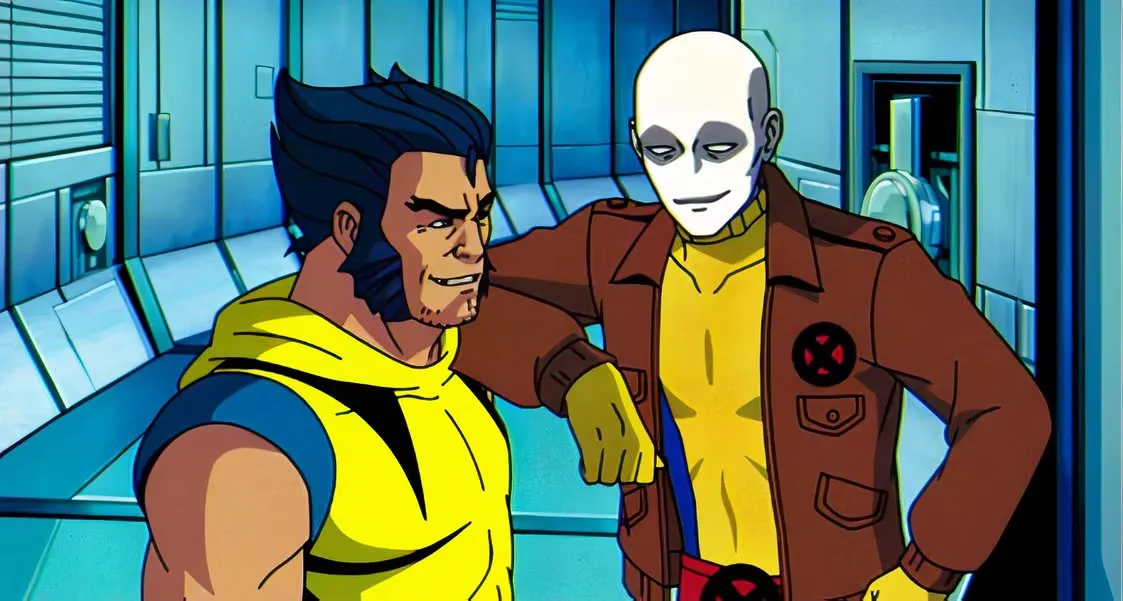
JP Karliak, the actor and comedian who plays Morph on X-Men '97, breaks down the shapeshifter’s power range and talks romance themes, including his love for Wolverine. For decision-makers watching how character-based IP is adapted and scaled, the interview is a reminder that “worldbuilding” is now a measurable audience-retention lever.
X-Men '97 fans have a favorite theme: continuity. The series keeps the vibe of X-Men: The Animated Series, down to art that feels similar (but better), storylines that pick up straight from the original, and the fact that a lot of the same actors return to voice beloved characters decades later. That said, there is one glaring exception to all that comfortable nostalgia.
Morph looks, feels, and sounds totally different in Disney Plus’ X-Men '97, and JP Karliak is the reason. In an interview, Karliak, who is also an actor and comedian, takes on the “biggest questions” about the shapeshifter and zeroes in on two things viewers keep circling: the scope of Morph’s powers and his romantic feelings, including his love for Wolverine. The point is not subtle. Morph is not just another cast member adjustment. He is an emotional and narrative variable that changes how the season can move.
To understand why this matters beyond fandom, zoom out to how big franchise TV works now. In the 1990s, X-Men: The Animated Series built its momentum through character recognition and episodic momentum, letting audiences settle into a consistent tonal contract. X-Men '97 tries to honor that contract, but with the advantage of three decades of comic book storytelling behind it, and a modern streaming expectation: viewers do not just watch. They binge, they compare, and they form instant opinions about whether a character got “translated” successfully.
Morph is the perfect stress test for that translation. Shapeshifters are inherently flexible on paper. In practice, audiences only stay on board when the character’s limits and emotional logic are clear. Karliak’s focus on “the shapeshifter’s powers” is basically the show telling you what kind of plot freedom it is willing to grant. If Morph’s abilities are broad but legible, writers can stage high-stakes scenes without feeling like they are cheating. If the abilities are mysterious, it creates suspense, but it also risks frustration, especially when fans want to know what is possible in a given situation. Either way, the character is a narrative engine, not a decorative one.
Then there is the second half of Karliak’s spotlight: romance, and specifically Morph’s love for Wolverine. Romance is not just a subplot category for long-running IP. It is a retention strategy. Relationships create durable audience investment because they carry forward between episodes. In animation, where some viewers drift episode-to-episode, romance gives the story a connective tissue that survives the plot of the week. Karliak talking about love for Wolverine signals that the show is willing to take Morph’s inner life seriously, not just as an expression of powers but as a driver of character conflict and choice.
This is also where power scope and romance collide. Shapeshifters generate identity questions automatically. If Morph can change appearances, voices, maybe even how others perceive him, then love becomes even more complicated. It is not hard to see why Karliak’s interview frames these questions as the “biggest” ones. The show’s creative challenge is to keep Morph compelling without turning him into a mystery box. When the audience understands both what Morph can do and how his feelings work, the character stops being a gimmick and starts being a connective force across the season.
Karliak is not just answering trivia either. He is stepping into a role that already has a reputation problem and an opportunity problem at the same time. The reputation problem: Morph is a shapeshifter, which can make viewers skeptical if the character feels inconsistent. The opportunity problem: because Morph is different in X-Men '97, the show has a clean slate to make him land. Karliak’s emphasis on powers and romance reads like a deliberate effort to define the rules early, so later surprises feel earned.
For executives and producers tasked with scaling animated IP into the streaming era, the strategic takeaway is straightforward. Continuity matters, but exceptions define a season. When a major character like Morph “looks, feels, and sounds totally different,” the adaptation has to compensate quickly with clarity. Karliak addressing the shapeshifter’s scope and his romance with Wolverine is the compensating mechanism: it tells the audience what they should pay attention to, and it helps the writers keep momentum without losing viewers who came for nostalgia and want to feel oriented.
In other words, Morph is not just a character in X-Men '97. He is a litmus test. If the shapeshifter’s powers are understandable and his love story is emotionally legible, the franchise gets to broaden its audience without breaking trust. If not, that trust splinters. Karliak’s interview is essentially a signal flare for anyone managing big IP: the fastest way to keep a fandom is to tell them the rules, then show them the feelings.
This story's Key Insights and Take-aways are locked.
Create a free account to unlock Executive Actions for one credit.
Register to UnlockAlways free for Executives Club members. Join the Club
More in Entertainment
12TB Steam 'teraleak' goes beyond Valve: GTA 3, Mafia 2 prototypes exposed
A 12-terabyte dump of Steam data reveals prototypes and builds of third-party classics like GTA 3 and Mafia 2, plus unreleased Valve content, rewriting game history.

LinkedIn's romance problem: 1 in 4 workers say dating on it is fair game
A new survey shows a quarter of U.S. employees treat the professional network as fair game for romance, even as LinkedIn bans it and removes hundreds of thousands of offending posts.

Enhypen's first No. 1 album breaks K-pop's Billboard 200 streak
The K-pop group's 98,000-unit debut tops the chart while Dolly Parton's catalog reentry shows how death reshapes streaming.