
Judge Araceli Martínez-Olguín pauses Paramount-Skydance-Warner merger for 14 days
A Northern California restraining order says the combined firm could substantially lessen competition in wide-release theaters.
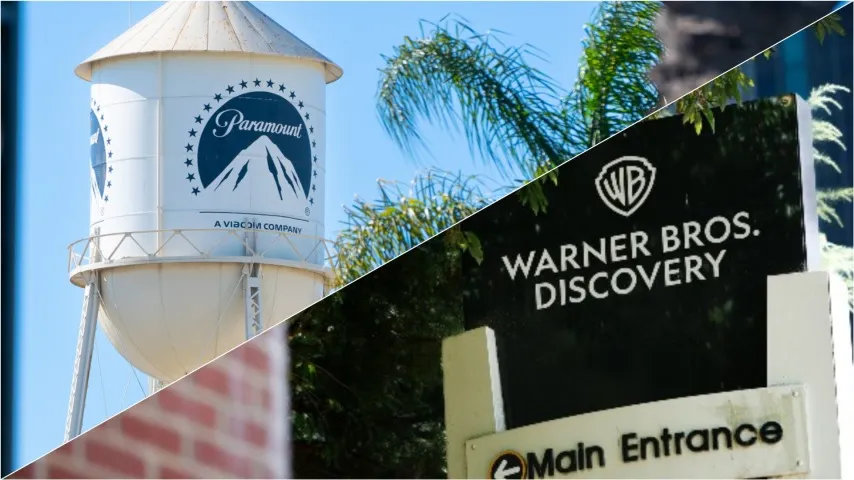
District Judge Araceli Martínez-Olguín issued a temporary restraining order halting the Paramount Skydance-Warner Bros. Discovery merger after a lawsuit from 12 state attorneys general. The order bars closing efforts and forces the states to move quickly toward a preliminary injunction.
The Paramount Skydance-Warner Bros. Discovery merger is on a 14-day leash after a Northern District of California judge granted a temporary restraining order. District Judge Araceli Martínez-Olguín ruled that the states suing to stop the deal presented sufficient initial evidence that the merger would likely violate antitrust laws, meaning Paramount is barred from taking any further action to close.
In her decision, Martínez-Olguín focused on market power in a specific slice of the business: the wide-release theatrical distribution market. She wrote that the plaintiffs presented “compelling evidence” the combined firm would have “substantial market share” there, and from that market share alone, the court could presume the merger was likely to violate antitrust laws. The bottom line she leaned on is that the plaintiff states made a strong showing that the transaction would “substantially lessen competition.”
That phrase is doing a lot of heavy lifting, because it is the core question antitrust regulators and courts keep coming back to. In plain English, competition law is less about whether a company will be “big” and more about whether fewer independent options remain for customers. In theatrical distribution, “wide-release” matters because it is the pathway that gets major movies seen by the mass market, not just niche audiences. When a merger meaningfully increases share in a channel like that, courts can view it as removing competitive pressure, which is exactly what the states argue here.
The timing also matters. The state attorneys general, led by California’s Rob Bonta with participation from Arizona, Colorado, Connecticut, Massachusetts, Minnesota, Nevada, New Jersey, New Mexico, New York, Oregon, and Washington, must file a motion for a preliminary injunction by July 23. A hearing on that injunction is set for August 3, and the source notes it could halt the legal process indefinitely. In other words, the restraining order is not just a symbolic pause. It is the first domino, and it forces the parties into a faster and more consequential phase of litigation.
There is also a practical leverage point: these cases can become bargaining chips. A temporary restraining order changes deal mechanics immediately, including timing, funding assumptions, and internal planning. Even if both sides believe they will win later, executives have to operate as if closing is uncertain. That is a direct hit to the kind of certainty mergers often rely on, especially when the merger was originally slated to be complete within Q3 of 2026.
The political and industry context is part of why this got so loud so quickly. While the merger was never broadly popular among many people who work in Hollywood, efforts to block it ramped up last week with lawsuits from states and from the Writers Guild of America. That combination is important. State attorney general lawsuits tend to frame the issue as competition and consumer harm. Industry union action often spotlights labor and bargaining power risks. Even though those are different legal lanes, the effect in public perception can be the same: the deal looks less like a smooth business transaction and more like something that could be structurally harder to unwind if it proceeds.
For decision-makers, there is a second-order implication that board members and deal teams should not ignore. Courts are explicitly signaling that early evidence can be enough to stop momentum, at least at the start. Martínez-Olguín’s language suggests that if plaintiffs can point to substantial market share in a defined distribution market, they can shift the burden toward the idea that competition will be substantially lessened. That changes how executives think about what “proof” looks like in the early stages of an antitrust challenge, not just at the end.
Finally, consider what this means for the broader media and entertainment M&A calendar. Big combinations in adjacent parts of the entertainment stack do not happen in a vacuum. When a judge uses a market-share analysis in a wide-release distribution market to justify an injunction path, it becomes a reference point for future deals. The strategic stake here is simple: if regulators and courts are willing to move fast, then merger timelines become fragile, and management teams must prepare for extended uncertainty even before any final ruling. The court’s stated tipping of “the balance of equities” and “the public’s vital interest in antitrust enforcement” in favor of injunctive relief tells you this is not drifting toward inevitability. It is accelerating toward scrutiny.
This story's Key Insights and Take-aways are locked.
Create a free account to unlock Executive Actions for one credit.
Register to UnlockAlways free for Executives Club members. Join the Club
More in Business

Uber buys Delivery Hero for nearly $15B, vaulting to top food delivery outside China
The deal doubles Uber's dual-services footprint and pushes a ride-and-eats bundling play into 50 more markets.

Epic and Google drop settlement bid, forcing rival Android app stores by July 22
Google told the court it is ready to carry third-party app stores starting Wednesday, July 22.
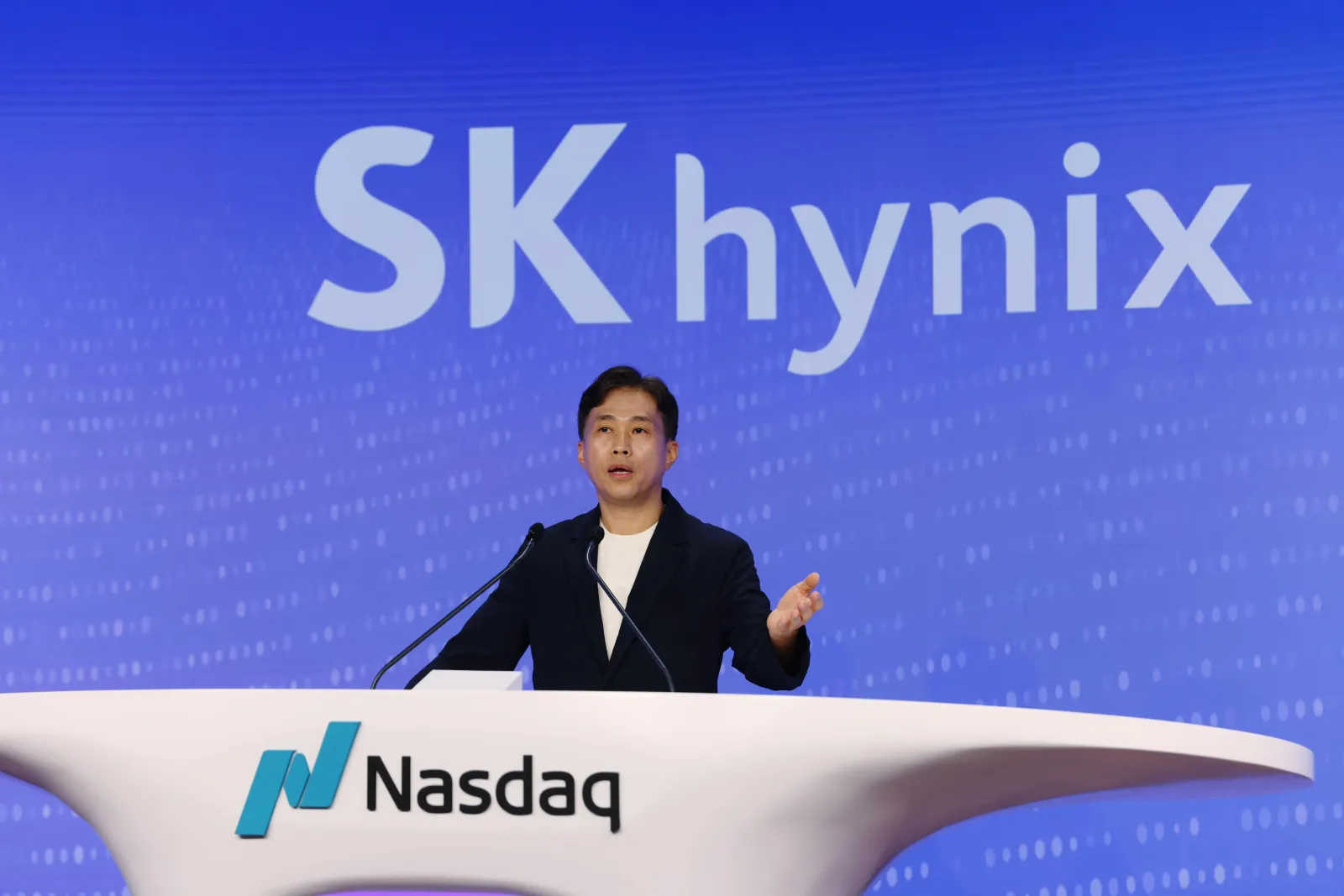
SK Hynix opens at $170, raises $26.5B, and tops foreign IPO records
In Friday's Wall Street debut, SK Hynix turns AI RAM demand into a $26.5B fundraising moment that rewrites comps.