
Judge Araceli Martinez-Olguin sets July 22 TRO decision for $110B Paramount-WBD merger
State AGs want a faster halt; Paramount warns of $650M per quarter ticking harm until closing.
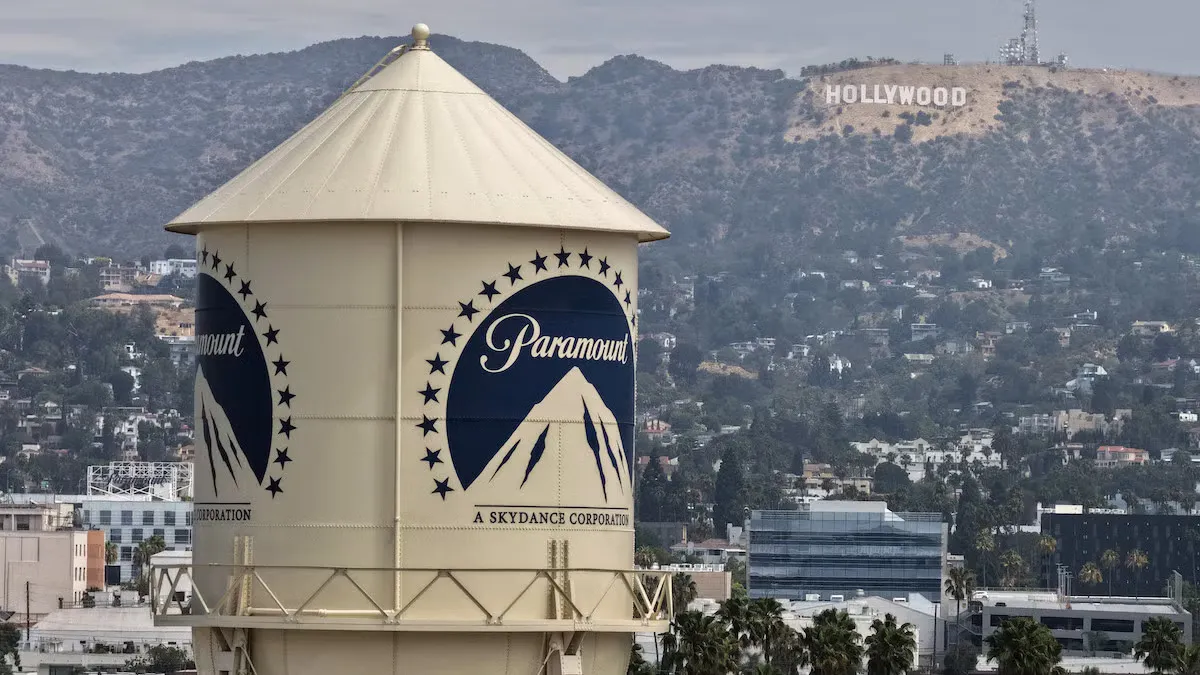
Judge Araceli Martinez-Olguin will decide by July 22 whether to issue a temporary restraining order against the pending $110 billion Paramount-Warner Bros. Discovery merger. The ruling shapes timing, court leverage, and how regulators and competitors plan their next moves while Europe weighs Phase 2 review.
Judge Araceli Martinez-Olguin will rule on a temporary restraining order by July 22 in the pending $110 billion Paramount-Warner Bros. Discovery merger. The decision comes after a Friday court hearing where lawyers for 12 state attorneys general, as well as Paramount and Warner Bros. Discovery, argued competing visions of what happens if the deal keeps marching forward.
The July 22 deadline is not sitting in a vacuum. It overlaps with an international regulatory clock: Europe’s deadline to decide whether to clear the merger or refer it for a more in-depth Phase 2 investigation. In other words, court timing and antitrust timing are converging, and the TRO, if granted, can stretch the process further because it can be extended up to 28 days. That would push the earliest preliminary injunction hearing into mid or late August.
This is where the arguments get intensely practical. Paramount’s attorney, Jeffrey Kessler, argued that a preliminary injunction hearing must happen before Sept. 30 to prevent “very severe harm” from a fee that ticks on during the delay. Kessler tied that harm to a 25 cent per share ticking fee for every quarter until closing, which he said translates to around $7 million per day and $650 million per quarter. He also pledged that Paramount would not complete the merger within 28 days in order to avoid a TRO.
The state AGs saw it differently, and their attorney, James Weingarten, called the proposed schedule unfair and designed to reduce the pain Paramount would otherwise face. Weingarten argued that setting a hearing in August to “suit the defendant's needs to avoid a payment they negotiated to make is beyond the pale.” He went further, describing the plan as “unprecedented” and “unhelpful to the court,” especially given that he characterized the merger as “industry-transforming.”
Instead of letting timing drift, the state AGs proposed an April 2027 hearing, saying they need more time to gather evidence and to hear from the right witnesses. Their core point was about credibility and completeness: Weingarten argued the court should not rely only on the defendants’ witnesses. He said it needs testimony from other people at the defense company, plus competitors and customers, because those are the parties that can show what actually happens in the marketplace. The state AGs framed their request as aligning schedules with what other courts have used for bringing forward evidence for a final merits decision on a permanent injunction.
While the courtroom schedules get fought over, the deal’s broader regulatory status is already moving in multiple places. Paramount has said the Warner Bros. deal remains on track to close by the end of the third quarter. It has already received approval from the U.S. Department of Justice and Warner Bros. shareholders. Outside the U.S., multiple countries are already reported as cleared or past waiting periods, including Australia, Austria, Canada, China, Kuwait, Saudi Arabia, Serbia, South Africa, Ukraine, Montenegro, New Zealand, and North Macedonia.
Foreign direct investment authorities have also signed off in Spain, Germany, Slovenia, Belgium, Czechia, Italy, France, and Romania. In parallel, the United Kingdom’s Secretary of Culture, Media and Sport, Lisa Nandy, has told Paramount and WBD that she is “minded to intervene,” with a decision expected by Aug. 7 on whether the UK regulator clears the merger or moves to a Phase 2 investigation. That adds another moving piece to the same summer window the TRO and preliminary injunction might dominate.
There’s also litigation pressure beyond the TRO fight. The Writers Guild of America, a Paramount shareholder, and a group of consumers filed separate lawsuits to block the merger. The consumers’ request for a preliminary injunction was denied after the judge found they failed to show irreparable harm or that their case had a likelihood of success. And if the deal does not close at all due to regulatory matters, Paramount will pay WBD a $7 billion termination fee. So even as parties argue about “harm” and scheduling, the economics are already wired for consequences.
For executives and boards watching this, the deeper signal is that the merger is being evaluated from multiple angles at once: US approval does not insulate the combined company from state-level antitrust actions; Europe’s Phase 2 threat runs alongside court deadlines; and timing becomes a strategic lever because both the calendar and the contract economics can shift pressure on each side. Whether the judge grants a TRO by July 22 could determine how quickly the parties must prepare for a deeper injunction fight, and how aggressively competitors and customers position themselves before that evidence is tested.
This story's Key Insights and Take-aways are locked.
Create a free account to unlock Executive Actions for one credit.
Register to UnlockAlways free for Executives Club members. Join the Club
More in Business

Uber buys Delivery Hero for nearly $15B, vaulting to top food delivery outside China
The deal doubles Uber's dual-services footprint and pushes a ride-and-eats bundling play into 50 more markets.

Epic and Google drop settlement bid, forcing rival Android app stores by July 22
Google told the court it is ready to carry third-party app stores starting Wednesday, July 22.
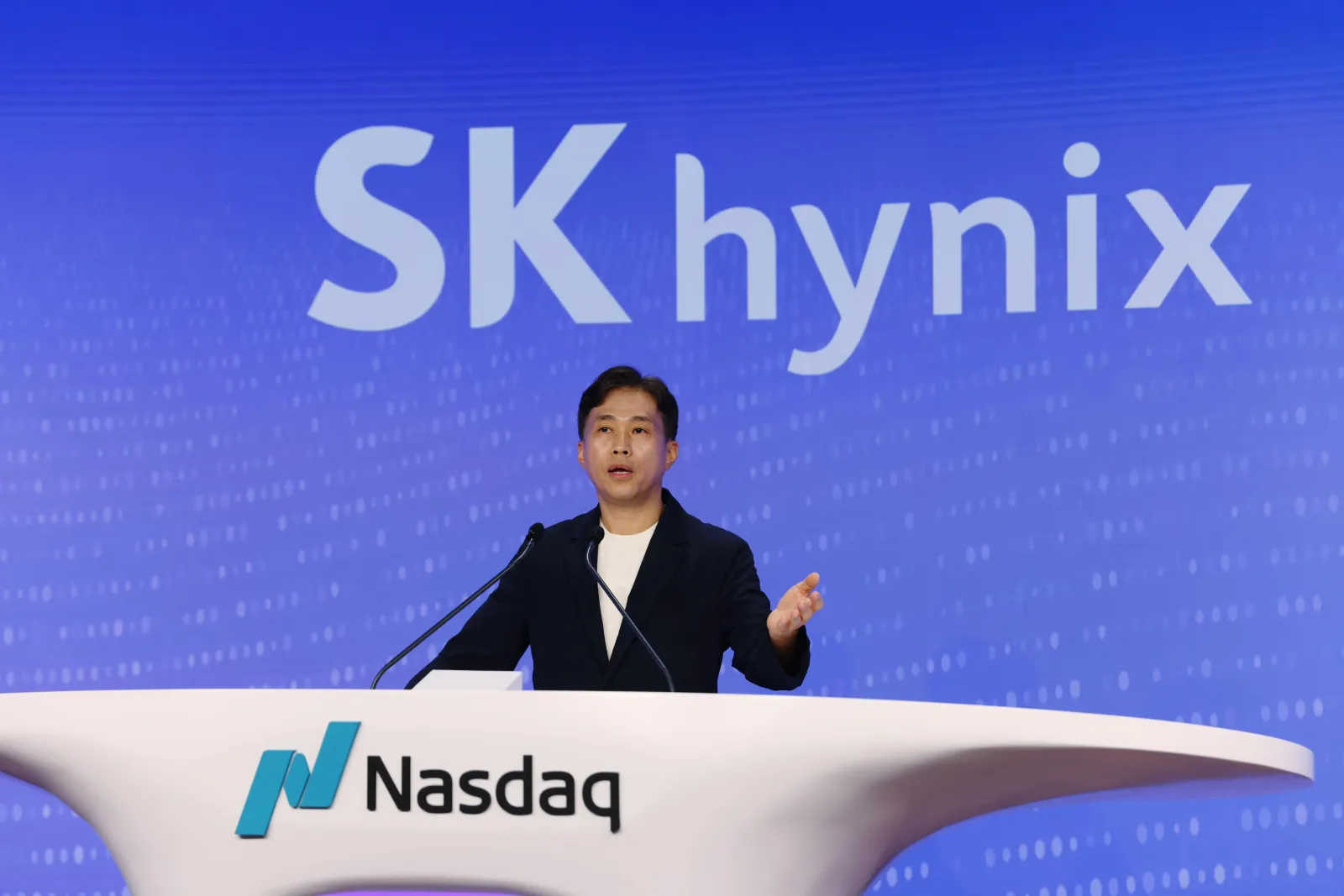
SK Hynix opens at $170, raises $26.5B, and tops foreign IPO records
In Friday's Wall Street debut, SK Hynix turns AI RAM demand into a $26.5B fundraising moment that rewrites comps.