

Judge David S. Doty dies at 96, leaving NFL’s free agency and salary cap behind
His 1993 deal helped birth modern free agency and the salary cap, then he spent years policing NFL-player disputes.
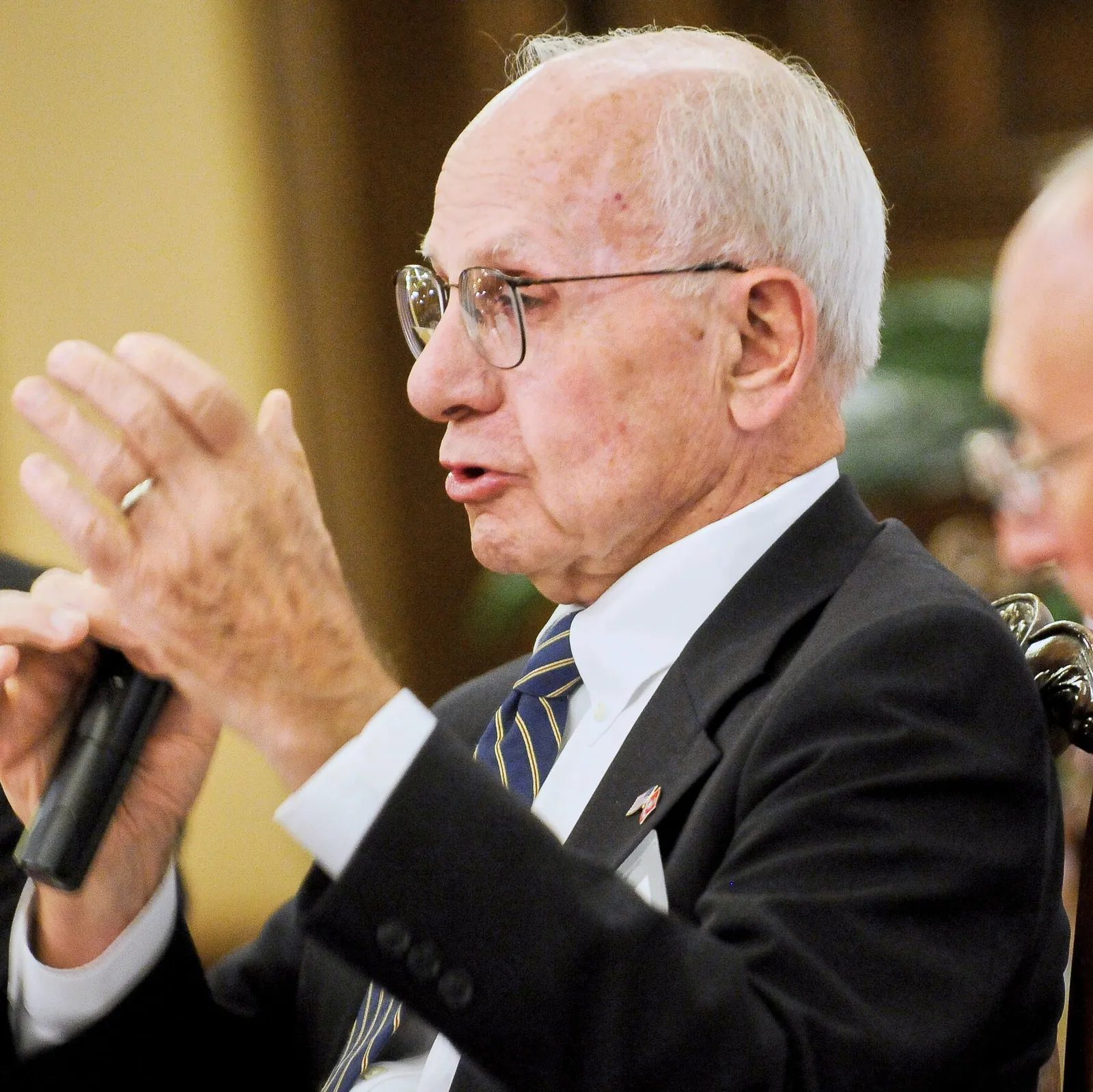
Judge David S. Doty, who shaped the modern NFL dispute-resolution system, presided over the 1993 agreement that led to free agency and the salary cap. For decision-makers across sports and labor, his work mattered because it defined how millions in contracts could be negotiated and enforced.
Judge David S. Doty, the judge who helped shape the modern NFL, has died at 96. His role was not ceremonial. He presided over the 1993 agreement that led to free agency and the salary cap, and for years oversaw the league's disputes with its players.
If you have ever wondered why NFL contract negotiations look the way they do today, Doty's 1993 work sits right in the middle of the answer. Free agency changed how teams acquire talent, salary cap rules forced hard tradeoffs, and the resulting incentives created a pipeline of arguments that did not stay neatly in team offices. Doty spent years managing those disputes, which means he effectively helped set the ground rules for how disagreements over player rights and team obligations get resolved in a league where money, strategy, and careers are all on the line.
To understand why this matters beyond football, remember how the NFL became what it is: a highly organized marketplace where player talent is scarce, information is imperfect, and bargaining power swings with team performance and player leverage. Before modern free agency, the employment relationship between teams and players looked far more constrained. The 1993 agreement pushed the system toward a different equilibrium, where players could test the market and teams had to plan for talent movement. That changes not just who gets signed, but when, how, and at what cost.
Then the salary cap enters as the counterweight. A cap is not just an accounting rule. It is a forcing function that turns contracts into strategic bets and makes every roster decision interact with every other decision. Once you combine a market for players with a budget ceiling, you get predictable friction: teams will argue for interpretations that preserve flexibility, players will argue for interpretations that maximize earnings potential, and the entire league will feel the consequences in real time as the season approaches.
That is where Doty's courtroom role becomes more than history.
This story's Key Insights and Take-aways are locked.
Create a free account to unlock Executive Actions for one credit.
Register to UnlockAlways free for Executives Club members. Join the Club
More in Business

Comcast shares jump 25% as it plans to split NBCUniversal and Sky
The tax-free spin-off could reshape focus, funding, and competition across media and tech for years.

Bungie cuts most Destiny 2 staff as Sony says Marathon still matters
Herman Hulst confirms layoffs affecting most Destiny and some Marathon teams after Bungie admits Destiny fell short.

SK Hynix jumps 11% after seeking up to $29.4B in Nasdaq listing
The chip giant filed for a Nasdaq listing plan that could raise $29.4 billion, instantly reshaping investor expectations.