
Judge dismisses Ann Altman's sexual abuse lawsuit against OpenAI CEO Sam Altman
A federal judge tossed the case on procedural grounds after Ann Altman missed a medical exam and deadlines, clearing a legal overhang for OpenAI's chief.
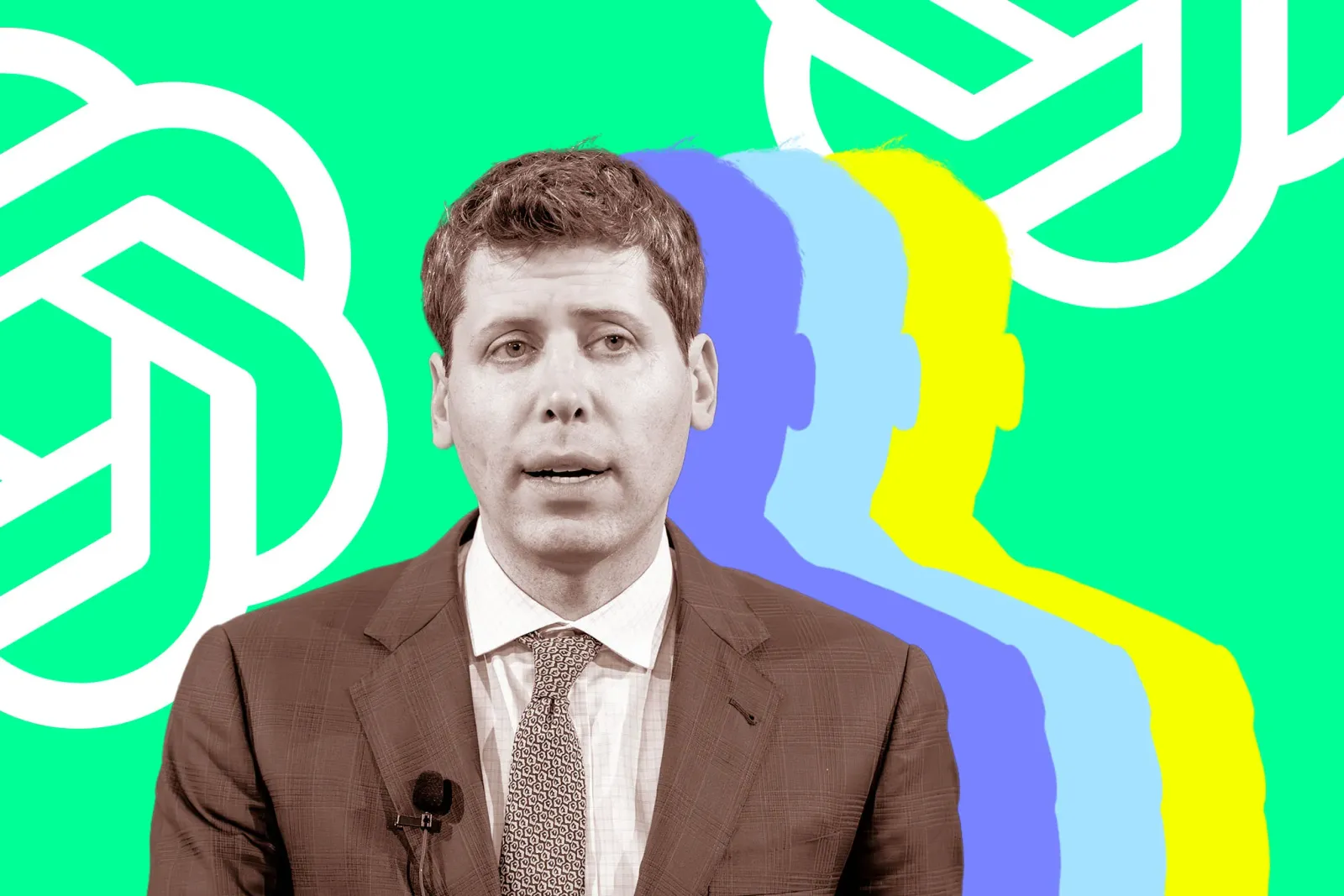
US District Judge Zachary Bluestone dismissed the lawsuit Ann Altman filed against her brother, OpenAI CEO Sam Altman, over missed deadlines and a failed medical exam. The procedural dismissal clears a legal distraction for Altman but leaves the family's public dispute unresolved.
US District Judge Zachary Bluestone dismissed the lawsuit Ann Altman filed last year against her brother, OpenAI CEO Sam Altman, who she alleged had sexually abused her throughout her childhood. The judge's Tuesday ruling came after Ann failed to appear for an independent medical examination and missed other court deadlines over the past year, despite warnings that the case would be dismissed.
The dismissal is a procedural outcome, not a judgment on the truth of Ann's allegations, but it removes a significant legal and reputational overhang for Altman, the most visible chief executive in artificial intelligence. Altman leads OpenAI, the company behind ChatGPT, which has become one of the most closely watched private companies in the world, with its technology reshaping industries from software to media to education. Every development involving its CEO lands in the context of intense scrutiny from regulators, investors, partners, and the public, which makes the end of this case a meaningful clearing of the decks for a leader who has spent the past year defending the company on multiple fronts.
The lawsuit, filed last year, alleged that Altman sexually abused his sister throughout their childhood. When the case was filed, Sam Altman, his mother, and his brothers issued a joint statement saying, 'Annie has made deeply hurtful and entirely untrue claims about our family, and especially Sam.' The statement continued, according to the source, but the full text was not included in the court record reviewed by The Verge.
Federal civil procedure gives judges broad authority to manage their dockets, including ordering independent medical examinations when a plaintiff's condition is relevant to the claims. When a plaintiff ignores those orders and misses deadlines, judges typically issue escalating warnings before resorting to dismissal, the harshest sanction short of a merits ruling. Bluestone's order indicates Ann had been cautioned repeatedly over the past year, and her failure to comply left the court with little choice under the rules. The independent medical examination requirement is a standard tool in cases where a plaintiff's mental state or physical condition is central to the claims, and courts treat refusal to comply as a serious breach of the litigation bargain. Judges typically warn plaintiffs explicitly that continued noncompliance will trigger dismissal, and Bluestone's order reflects that the warnings were delivered and ignored. Dismissals on these grounds are not unusual in federal courts, but they carry particular weight in high-profile cases where the public record of the allegations can outlast the legal outcome.
For OpenAI, the timing is notable. The company has spent the past year navigating a wave of legal and regulatory attention, from copyright lawsuits over its training data to global debates about AI safety, governance, and the pace of deployment. Altman sits at the center of those debates, managing the expectations of investors and partners who have bet heavily on the company's trajectory. A sitting CEO fighting a family sexual abuse lawsuit would have complicated every one of those conversations, from boardroom pitches to regulatory discussions. With the case dismissed, Altman can point to a court record showing the claims failed procedurally, even if the underlying allegations remain part of the public conversation.
The episode carries lessons beyond Altman's immediate situation. For executives and boards, it is a reminder that personal legal exposure for founders and CEOs is a governance issue, not just a personal one. High-profile companies should have protocols for assessing how an executive's personal litigation could affect fundraising, regulatory relationships, and public trust, and for preparing communications strategies if a case becomes public. The dismissal also underscores that procedural compliance is not optional: a plaintiff who misses deadlines and skips court-ordered exams can lose a case without a jury ever hearing the facts, a dynamic that cuts both ways for defendants and plaintiffs in high-stakes litigation.
The dismissal does not erase the family dispute from public view, and Ann retains the option to refile if she can satisfy the court's requirements. For now, the legal chapter is closed, and OpenAI's chief executive can focus on the company's next act without this case hanging over him. For peers in similar seats, the episode is a reminder that in litigation, as in business, the details of process often decide the outcome.
This story's Key Insights and Take-aways are locked.
Create a free account to unlock Executive Actions for one credit.
Register to UnlockAlways free for Executives Club members. Join the Club
More in Business

Musk barred from the room as Tesla, SpaceX boards weigh $3.5 trillion merger
The CEO of both companies is a 'conflicted party' watching independent directors negotiate a tie-up that would create a $3.5 trillion giant he would own about a third of.

Elon Musk just showcased a flying car - and it wasn't at Tesla
The Tesla CEO's latest reveal came at SpaceX, not Tesla, signaling where vertical mobility is headed.

Apple's $2,000 iPhone Duo opens preorders, taking on Samsung and Google
Apple's first foldable hits the market at a premium price, reshaping a category Samsung and Google have led.