

Judge Dismisses Hirose Enterprises' “Alien Superstar” sample suit after jurisdictional defect
A June 26 ruling says the plaintiff lacked legal existence when it filed, wiping out claims over Beyoncé’s Parkwood cleared sample.

Parkwood Entertainment, Beyoncé’s label and management company, won dismissal of an “Alien Superstar” EDM sample lawsuit. On June 26, Judge Mark C. Scarsi ruled that Hirose Enterprises LLC could not sue because it did not legally exist at the time the complaint was filed.
Beyoncé’s Parkwood Entertainment just got a clean procedural victory in a copyright fight that could have forced a rethink of how sample licenses are sourced and documented. In a June 26 (Friday) court ruling, Judge Mark C. Scarsi dismissed the lawsuit Hirose Enterprises LLC filed last summer claiming ownership of the 1998 John Holiday song “Moonraker,” the track whose sample opens Beyoncé’s 2022 Renaissance cut “Alien Superstar.”
The core issue was not whether the “Moonraker” lyrics were recognizable in the first bars. It was whether the plaintiff existed in the first place. The judge said Hirose Enterprises was not actually formed until a week after the lawsuit was filed, which meant the company “had no legal existence at the time it brought suit” and therefore “cannot have held a stake in the outcome of the litigation at the time it filed the complaint.” The result was a full dismissal of the case against Parkwood Entertainment plus Sony Music Entertainment, Sony Music Publishing, and Warner Chappell. Beyoncé herself was not targeted.
To understand why this matters beyond courtroom trivia, zoom out to how sample clearance works in music. Parkwood cleared the sample from Holiday, and the house musician appears in the lengthy Renaissance credits. Billboard reported that Holiday was paid $10,000 plus 0.5% of the royalties from “Alien Superstar,” which hit No. 19 on the Billboard Hot 100. That kind of payout structure is typical of a licensing deal, where labels and publishers buy permission to use a specific recorded or composition element without betting the entire release on a future ownership dispute.
That bet is exactly what Hirose Enterprises tried to overturn. In its July 2025 lawsuit, Florida-based Hirose Enterprises LLC alleged it actually owned the “Moonraker” copyrights and therefore should have been part of the licensing process. Hirose Enterprises is owned by Shuji Hirose, a co-founder of now-defunct indie label Soundmen on Wax. The lawsuit also claimed Soundmen on Wax bought the “Moonraker” copyrights in 1998.
Parkwood’s response focused on paperwork, arguing there was no documentation of a valid transfer of those rights. In other words, Parkwood said it properly cleared the sample from Holiday directly, because the rights chain Hirose Enterprises claimed could not be proven. But Judge Scarsi did not need to resolve those “merits” arguments to kill the case. Before a court can wrestle with who owns what, it has to answer a threshold question: does the plaintiff have standing and legal status to sue. Here, the judge framed the situation as a jurisdictional inquiry, quoting the “Moonraker” lyrics: “Please do not be alarmed, remain calm: like the DJ booth referenced in the works at issue, this district judge must conduct a troubleshoot test of the entire system - that is, a jurisdictional inquiry - before reaching any of the parties’ merits arguments.”
Second-order effect: even strong copyright arguments can die if the corporate entity bringing them is formed too late. That is a procedural trap that doesn’t just affect one label or one plaintiff. For rights-holders, publishers, and labels, it changes how disputes are initiated and how confidently releases can rely on clearance documentation. When a lawsuit is dismissed on the grounds that the plaintiff lacked legal existence at filing, executives learn two lessons at once: one, ownership claims often hinge on paperwork and chain of title. Two, even the best chain-of-title narrative can be rendered irrelevant if the plaintiff is procedurally barred.
The scope of the dismissal also gives the industry a signal. The judge threw out the entire case not only against Parkwood Entertainment, but also against Sony Music Entertainment, Sony Music Publishing, and Warner Chappell. That matters because it shows the court treating the filing defect as fatal across the parties implicated in the clearing and exploitation of the track. Beyoncé was not named, which reduces the risk of reputational spillover targeted at the artist, but it does not eliminate business risk for companies in the licensing pipeline. If similar suits arise, labels and publishers will still be asked to defend how they cleared samples, how they documented licenses, and how they handled potential ownership challenges.
Hirose Enterprises has the right to appeal Friday’s dismissal ruling if it wants another chance at pursuing the copyright claims. If the appeal proceeds, the case could shift from procedural fault-finding to the harder question: who actually owned “Moonraker” in the first place, and whether any transfer from the 1998 purchase claim was properly documented. Until then, the immediate takeaway for executives is blunt: the courtroom system does not reward equitable vibes, it rewards correct process. In music rights, where incentives are already high and records of transactions are everything, process is not boring. It is leverage.
This story's Key Insights and Take-aways are locked.
Create a free account to unlock Executive Actions for one credit.
Register to UnlockAlways free for Executives Club members. Join the Club
More in Business
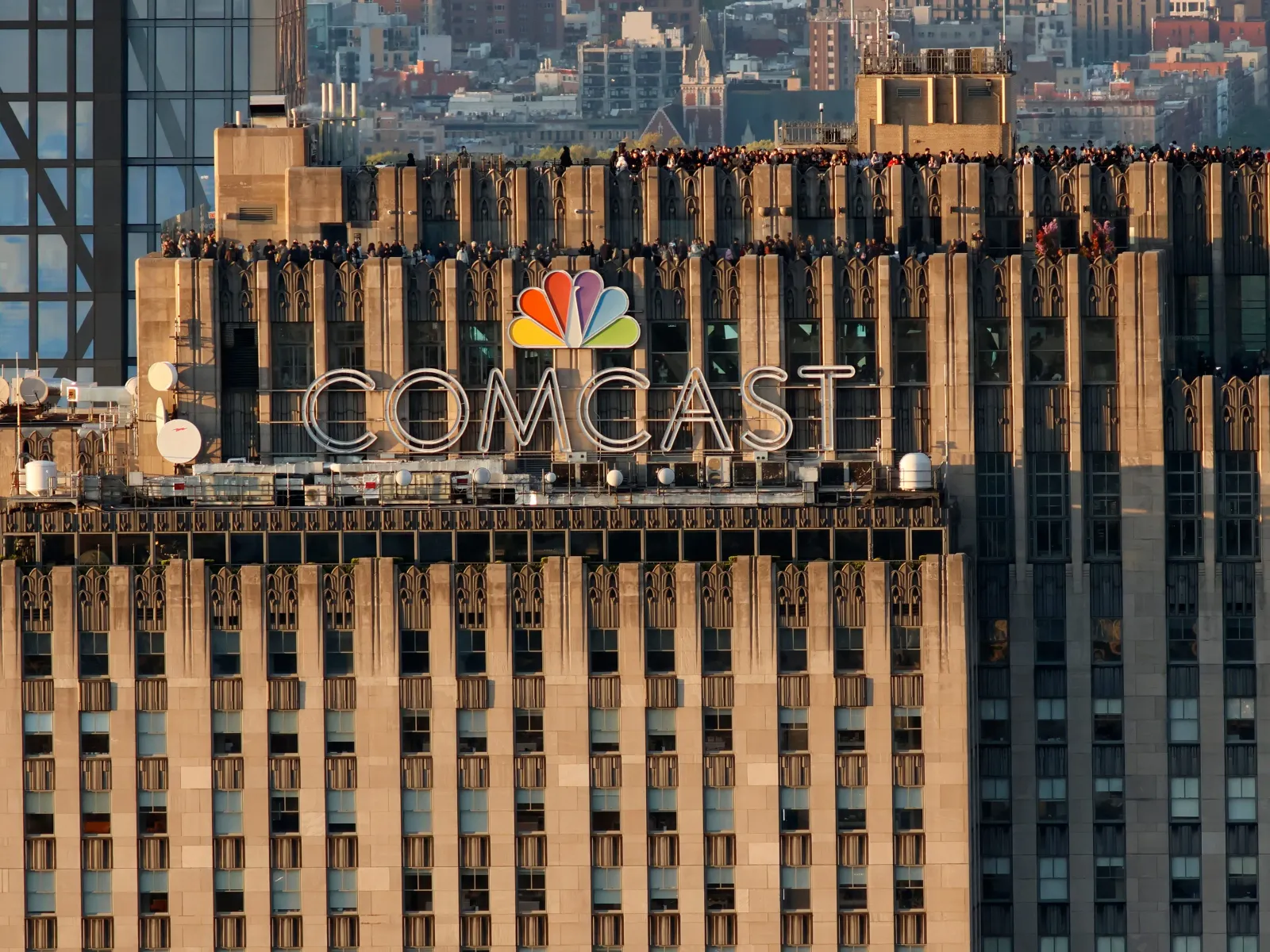
Comcast shares jump 25% as it plans to split NBCUniversal and Sky
The tax-free spin-off could reshape focus, funding, and competition across media and tech for years.

Bungie cuts most Destiny 2 staff as Sony says Marathon still matters
Herman Hulst confirms layoffs affecting most Destiny and some Marathon teams after Bungie admits Destiny fell short.

SK Hynix jumps 11% after seeking up to $29.4B in Nasdaq listing
The chip giant filed for a Nasdaq listing plan that could raise $29.4 billion, instantly reshaping investor expectations.