

Judge pauses Paramount-Warner Bros. Discovery merger at least 14 days over antitrust risk
Deal gets a temporary regulatory timeout as antitrust accusations move from theory to timetable.

A judge has ordered the planned Paramount and Warner Bros. Discovery (WBD) merger paused for at least 14 days. The pause follows accusations the deal could violate US antitrust laws.
A judge has ordered the planned Paramount and Warner Bros. Discovery (WBD) merger paused for at least 14 days, after accusations that the deal could violate US antitrust laws. Translation: the timeline for what was supposed to be a transformative media consolidation just hit a legal speed bump, and both companies must now operate in “temporary limbo mode” while the case advances.
That minimum 14-day pause matters because these deals are not just press releases and integration plans. They are engineered around sequencing: regulatory review, approvals, financing assumptions, and internal coordination. A court-ordered halt forces executives to re-check everything from deal mechanics to compliance posture, because delay is not neutral. In fast-moving media markets, even two weeks can be enough to shift bargaining power, stakeholder confidence, and the cadence of negotiations.
To understand why a judge is doing this now, zoom out to how US antitrust scrutiny works for large mergers. When two big media players combine, the fear is usually not that viewers magically stop watching TV. It is that the combined company could gain leverage in ways competitors cannot match. Antitrust regulators and plaintiffs often focus on market power, reduced competition, and knock-on effects across content distribution, advertising, and the economics of holding and licensing rights. The key word in the court framing here is “could,” because accusations do not have to prove the final outcome at the outset to justify a pause. They just need to raise a sufficiently serious legal concern.
A temporary injunction or similar order can also be strategically important for boards and deal teams. It gives the court a chance to consider whether the merger should proceed while claims are litigated. That creates a classic “prove it or pause it” dynamic. For management, it becomes harder to lean on momentum as an argument. For deal counterparties, it increases uncertainty about when synergies, restructuring, and capital redeployment will actually happen.
Executives at both Paramount and WBD now face an uncomfortable operational reality. When a merger is paused, people still have to do their jobs. Teams that were preparing integration work must continue running day-to-day operations while lawyers and compliance leaders respond to court and regulatory demands. That can mean more reporting, more document review, and more attention to internal guardrails that prevent the parties from drifting into coordinated conduct that would create additional legal exposure.
There is also a second-order effect for anyone else watching the space. Media and entertainment have been crowded with consolidation narratives for years, but antitrust outcomes can vary widely based on facts, market definitions, and the specific competitive concerns being asserted. A court halting one prominent deal for at least 14 days signals that the legal process is not just a procedural hurdle. It can actively reshape deal timing and, by extension, competitive behavior among other players that may be considering their own strategic moves.
For decision-makers, the stakes are straightforward: timing equals value. If a merger takes longer to close, the companies may have to preserve liquidity longer, sustain overhead that was meant to be temporary, and postpone integration-linked revenue or cost initiatives. And if the legal issue escalates, the pause can turn from a short breath into something far more consequential. Even if the merger ultimately clears, the market remembers delays and uncertainty, and that can influence negotiations with partners, advertisers, distribution channels, and talent.
In the next couple of weeks, this case will be about process: how the court views the antitrust accusations and whether the pause stays in place, expands, or ends. But the strategic message already landed. For executives, boards, and investors, the Paramount-WBD pause is a reminder that in US media, legal scrutiny is not a background task. It is a driver of corporate timelines, operational focus, and the ability to convert strategy into closed transactions.
This story's Key Insights and Take-aways are locked.
Create a free account to unlock Executive Actions for one credit.
Register to UnlockAlways free for Executives Club members. Join the Club
More in Business

Uber buys Delivery Hero for nearly $15B, vaulting to top food delivery outside China
The deal doubles Uber's dual-services footprint and pushes a ride-and-eats bundling play into 50 more markets.

Epic and Google drop settlement bid, forcing rival Android app stores by July 22
Google told the court it is ready to carry third-party app stores starting Wednesday, July 22.
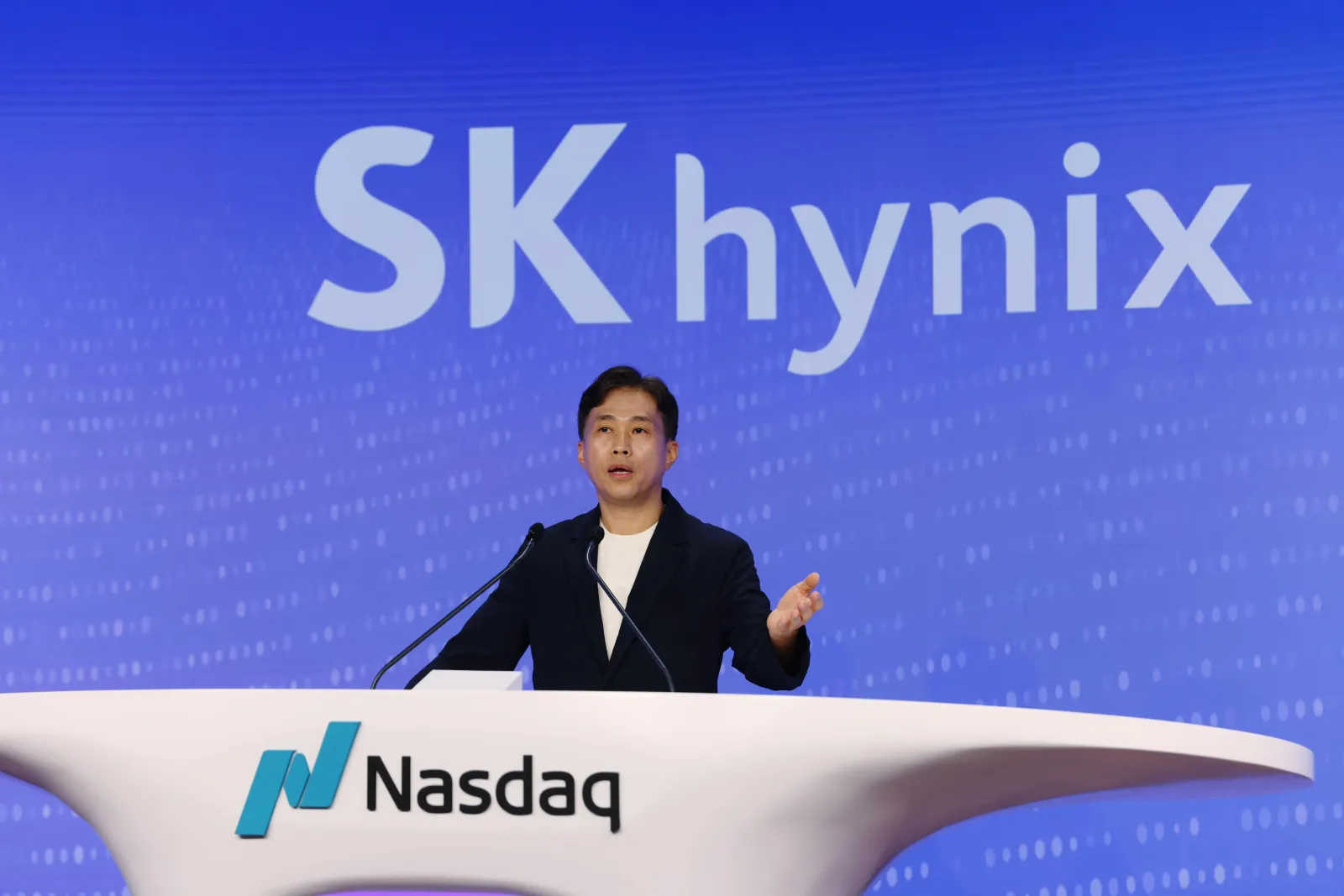
SK Hynix opens at $170, raises $26.5B, and tops foreign IPO records
In Friday's Wall Street debut, SK Hynix turns AI RAM demand into a $26.5B fundraising moment that rewrites comps.