

Judge pauses Paramount-Warner Bros. Discovery merger for 2 weeks after antitrust lawsuit
A temporary restraining order buys time for state attorneys general to pursue injunctive relief and reshape the deal timeline.

A judge granted a temporary restraining order (TRO) to pause the Paramount-Warner Bros. Discovery merger for 2 weeks as states seek injunctive relief. The immediate consequence is scheduling uncertainty, giving regulators more leverage and forcing deal parties to plan for a delayed close.
A judge has paused the Paramount-Warner Bros. Discovery merger for 2 weeks by granting a temporary restraining order, while states pursue injunctive relief, according to IndieWire. That is a concrete, time-bound bump in the road, not a vague “regulatory review continues” footnote. For executives tied to timeline-driven commitments, every week of delay can ripple into financing assumptions, integration planning, and internal stakeholder patience.
In practical terms, a TRO is designed to freeze the status quo quickly while a court considers faster-moving legal requests. Here, the freeze is linked directly to the states’ antitrust lawsuit and their effort to obtain injunctive relief. That framing matters because it signals what comes next in the legal rhythm. The court is not just acknowledging a complaint; it is actively managing the merger process while the dispute plays out.
To understand why a 2-week pause is a big deal, you have to look at how merger timelines function in media and entertainment. Deals like these are typically built around expectations of regulatory clearance, financing execution, and operational coordination. When a TRO interrupts that path, the parties do not just lose time. They also face uncertainty about what additional conditions could be imposed, whether the deal could be restructured, or whether the legal posture changes the parties’ leverage. Even if the ultimate outcome still allows the merger to close later, the immediate effect is that everyone has to plan around a more volatile calendar.
This is also where antitrust enforcement tends to get more intense. States seeking injunctive relief are effectively asking the court to take action that goes beyond letting the merger continue while regulators study it. Injunctive relief is the legal mechanism that can stop transactions or constrain them in ways that reshape the end game. So the TRO is not the final decision. It is a procedural step that keeps pressure on the deal while the states push their case.
For dealmakers, the central question becomes: what does this pause change in negotiation and strategy? A court order buys regulators time and keeps the merging companies from treating the transaction as inevitable. That can influence internal board dynamics and how management teams allocate attention. Boards typically demand clear risk reporting when litigation escalates. A temporary restraining order tied to an antitrust lawsuit naturally raises the risk premium for decision-makers. It also forces leadership to revisit how much of the integration story is based on assumptions versus court-permitted facts.
There is also a second-order implication for competitors and partners watching from the outside. In media, content supply, distribution deals, and advertising relationships often depend on expectations about who controls what platform and what catalog. Even a short delay can affect timing for commercial discussions, because counterparties prefer clarity. If the merger’s completion date is uncertain, some counterparties may renegotiate terms, shift priorities, or slow down decisions that assume combined scale.
Meanwhile, the broader market context is that media consolidation is perennially attractive because scale can improve bargaining power and distribution efficiency. But antitrust authorities often focus on whether consolidation reduces competition in ways that harm consumers, advertisers, or business customers. When states bring a lawsuit and seek injunctive relief, they are effectively arguing that the competitive risks are not hypothetical. The court granting a TRO indicates the judge saw enough urgency or legal basis to justify a short-term halt while the dispute moves forward.
Strategically, executives at both the merging companies and their peers should treat this as a “timeline risk is real” signal. A two-week TRO is brief, but it is also a reminder that regulatory processes can still impose immediate constraints. If you are a CFO building cash planning around closing dates, or a COO mapping integration milestones, the right response is not panic. It is disciplined scenario planning: assume delay, assume more filings, assume the legal posture can evolve quickly, and communicate internally with the same clarity you would want from a regulator.
For decision-makers, the takeaway is simple. The merger is not just under review. It is under a court-ordered pause, with states actively seeking injunctive relief. That turns the next phase from “wait and see” into “prepare for legal outcomes,” because the case is now affecting the deal clock in real time.
This story's Key Insights and Take-aways are locked.
Create a free account to unlock Executive Actions for one credit.
Register to UnlockAlways free for Executives Club members. Join the Club
More in Business

Uber buys Delivery Hero for nearly $15B, vaulting to top food delivery outside China
The deal doubles Uber's dual-services footprint and pushes a ride-and-eats bundling play into 50 more markets.

Epic and Google drop settlement bid, forcing rival Android app stores by July 22
Google told the court it is ready to carry third-party app stores starting Wednesday, July 22.
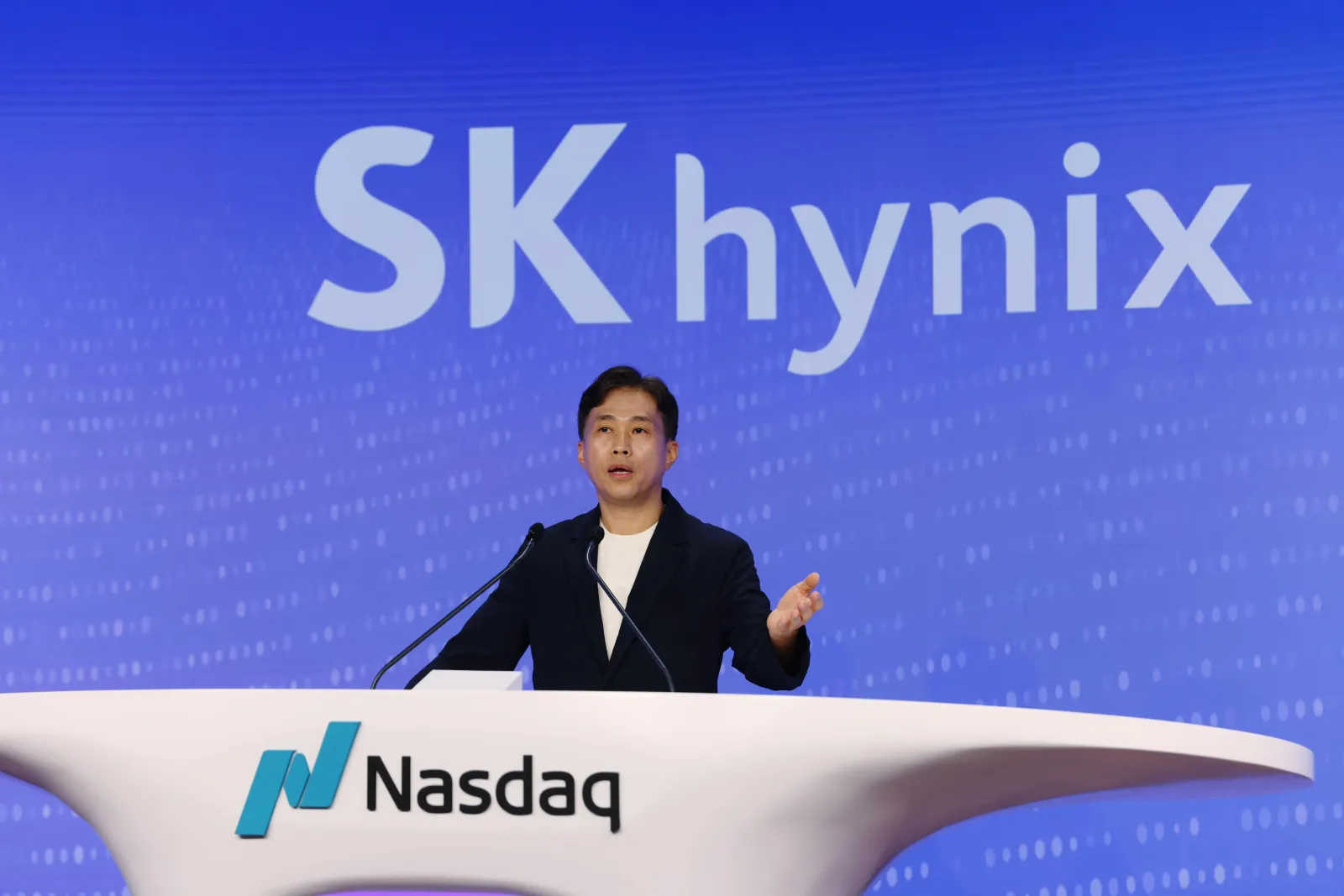
SK Hynix opens at $170, raises $26.5B, and tops foreign IPO records
In Friday's Wall Street debut, SK Hynix turns AI RAM demand into a $26.5B fundraising moment that rewrites comps.